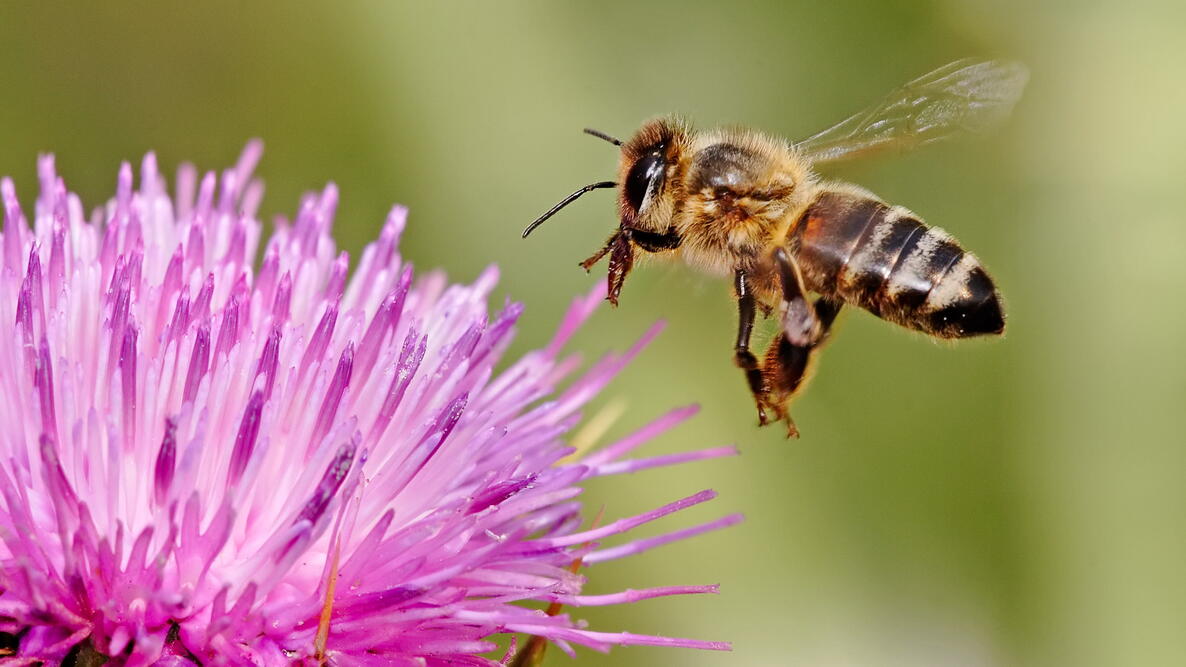
What to Know Before Raising Honey Bees

Are you considering raising honey bees in your backyard? Beekeeping can be a rewarding hobby—offering fresh honey, better garden pollination, and a fascinating look into the world of these hardworking insects. But before you bring home your first hive, it’s important to understand the realities of beekeeping, from the costs and learning curve to common challenges like pests and seasonal maintenance. Here’s what every beginner should know before starting their beekeeping journey.
Almost anyone can master the skills necessary to be a good beekeeper. Your journey to successful beekeeping begins with preparation. You should learn all you can about bee hive management before your bees arrive. Here are some things to consider if you want to start raising bees in your backyard.
Pros of Backyard Beekeeping
There are several reasons why you might want to raise honey bees, including:
- Honey is probably the obvious answer. Most beekeepers want to produce fresh honey. A single bee can produce 1/12 teaspoon of honey in its lifetime (about 6 weeks), and with a colony consisting of thousands of bees, that can add up quickly. Read more about collecting honey.
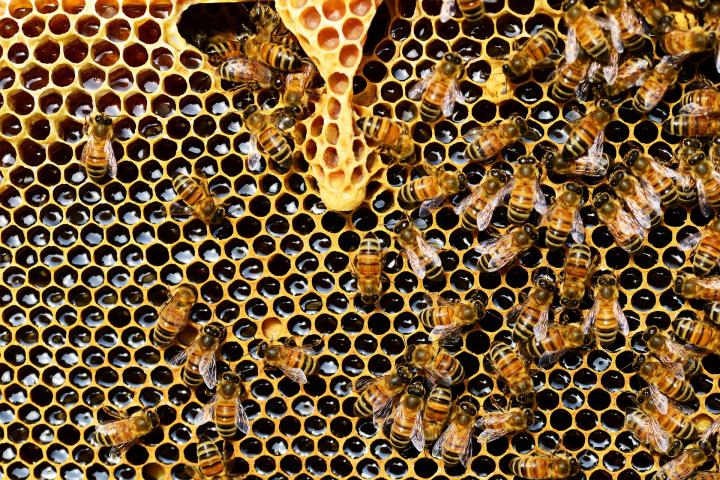
- Beeswax is another popular product that comes from bees. Worker honey bees produce wax from special glands on their abdomen. The beeswax is formed into a honeycomb and becomes the structure of their home. We also use beeswax. It is used in candle-making and cosmetics. Many creams and lipsticks contain beeswax. You can even learn how to make your own lip balm.
- Pollination: If you want better yield from your orchards and gardens, honey bees can help. Raising honey bees ensures better pollination of flowering plants. This means more food for ourselves and wildlife. Honey bees are the heroes of pollination efforts for modern agriculture. However, the role of native bee species cannot be overlooked.
- Diligent workers. There’s a reason we say “busy as a bee.” Bees are constant workers. They do not require constant monitoring. A colony of healthy, well-managed bees will produce honey and wax that you can use or later sell. On average, expect to spend an hour per week during the warm season on colony management. Note that in colder climates, you may need to help the bees overwinter properly.
Challenges of Starting a Beehive
There are some downsides to raising honey bees, however:
- Non-Natives: While we manage honey bees for honey & pollination, there is some concern that honey bees are out-competing our native bees in the wild. Honey bees are non-natives. Wild, solitary bees are the super-pollinators of our native flowers and plants. If you’re getting bees to pollinate your food (not to produce honey), consider a solitary bee house (and encourage native plants and wildflowers)!
- Stings can happen with honey bees. Check with your doctor first to determine if you are one of the unlucky people who are allergic to honey bee stings. Even if you are not allergic, stings are painful. Learning how to properly manage your hives will lessen stinging episodes.
- Cost of supplies. The initial cost of beekeeping can be intimidating to new beekeepers. You will need to invest in supplies such as a hive, proper protective clothing, a smoker, and a hive tool. As of this writing, a single new hive may cost about $200, clothing and gear may cost about $160, and a package of new bees may run $180–$200. Often, you can find starter kits with bees, boxes, and gear for a better combined price. Read more about beekeeping supplies.
- The first year can be a tough one. On top of learning the ins and outs of beekeeping, you may not get any honey for yourself. Your bees have a lot of work to do during the first season. They must produce wax, raise young bees, and store honey for winter. Learn to be patient with yourself and your bees.
- Bee diseases. As you might know, bee populations have been in decline for several years. Diseases, pesticides, and parasites are the most common troubles encountered by bees, but sometimes, there is no explanation for an unhealthy hive. Take the time to learn how to keep your bees healthy and to inquire about any problems other beekeepers in your area might have had. Read more about common bee diseases.
| Pros | Cons |
|---|---|
| Fresh honey | Cost of supplies |
| Beeswax products | Stings & allergies |
| Better garden pollination | Bee diseases |
| Low weekly maintenance | First-year honey loss |
| Educational & eco-friendly | Honey bees are non-native |
Frequently Asked Questions
Is it expensive to start beekeeping?
Beginner beekeeping typically costs $500–$600 for hive equipment, protective clothing, and a package of bees.
How much time does backyard beekeeping take?
Most beekeepers spend about one hour per week during the warm season on hive checks and maintenance.
Do backyard beekeepers need special permission or permits?
Laws vary by region; some cities require hive registration, while others have no restrictions.
Will my bees bother neighbors or pets?
Honey bees usually forage away from people, but placing hives in a quiet corner of the yard helps minimize interactions.
Can beginners harvest honey in the first year?
Often, no. The colony uses its first season to build comb, grow in numbers, and store enough honey to overwinter.
Join a Beekeeping Community
Be sure to talk to local beekeepers, beekeeping organizations, or communities. They often meet at public libraries. It’s always a good idea to go out with an expert a few times before raising your own bees.
There are plenty of organizations about beekeeping available to those willing to look. These organizations are particularly useful for finding swarms (collections of bees) once you’ve established your apiary.
Beekeeping 101: Next Steps for New Beekeepers
Read through our Beekeeping 101 series to get an overview of backyard beekeeping:
- Should You Raise Honey Bees? (You are here.)
- Planning for Honey Bees
- Beekeeping Supplies, Clothing, and Equipment
- Choosing a Type of Beehive
- Where to Get Honey Bees
- Harvesting Honey
- Common Bee Pests and Diseases

More Like This


- « Previous
- 1
- 2
- …
- 10
- Next »

Comments