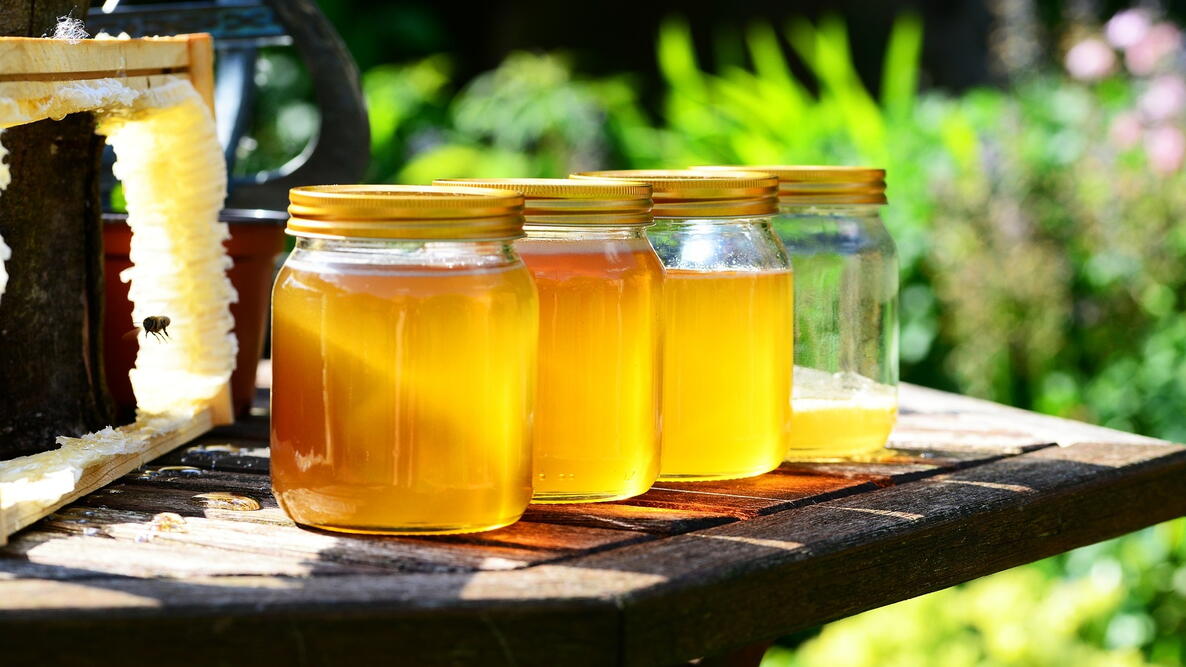

There’s nothing quite like tasting fresh honey straight from your own hive. But harvesting honey isn’t as simple as lifting a lid and scooping it out. Timing, technique, and proper equipment all play a role in making sure you collect your honey safely—without harming your bees or risking their winter survival.
In this guide, you’ll learn when honey is ready to harvest, how much you can safely take, and the step-by-step process for extracting honey from the comb. Whether you’re a first-year beekeeper or preparing for your second season or beyond, understanding how to harvest honey correctly will help keep your colony healthy and productive for years to come.
“The only reason for being a bee that I know of is making honey … And the only reason for making honey is so as I can eat it.”
–Winnie-the-Pooh (1926) by A. A. Milne
How to Harvest Honey (Quick Overview)
- Ensure frames are at least 80 percent capped.
- Use a smoker lightly to calm bees.
- Remove honey super (the box placed above the hive) with a fume board or bee brush.
- Uncap wax with a hot knife.
- Extract using a honey extractor or crush-and-strain method.
- Let honey settle before bottling.
Collecting Your Own Honey
Having a seemingly endless source of honey right in your backyard may sound luxurious, but many new beekeepers have unrealistic expectations regarding honey production.
For example, bees do not make honey year-round in most regions, and for many of us, it won’t be until the second year that the bees have any excess honey to spare. Plus, the honey your colony produces depends on where they’re located. If you live in an area without access to abundant flowers throughout the spring, summer, and fall, honey production may not be great enough for you to take a share.
That being said, once the colony does get going, the honey is well worth the wait!
How Much Honey Do Bees Make?
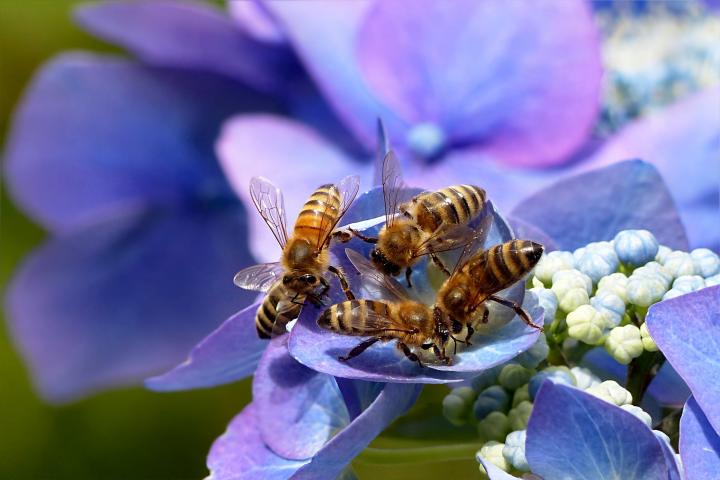
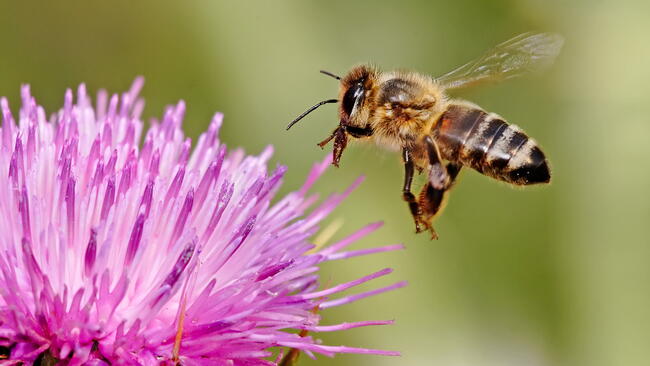
Through a rather industrious process, honeybees make honey from plant nectar. The resulting honey is stored in the hive and used during cold weather or drought as a food source for the hive. Thankfully, bees work very hard and often make more honey than they need, which allows beekeepers to harvest the excess. On average, a beekeeper can expect to yield about 50 pounds (4.2 gallons) of honey yearly from a healthy colony in a fertile area. However, the amount can vary quite a bit from year to year and from location to location.
Preparing to Harvest Honey Safely
Before paying a visit to your beehive to harvest honey, be prepared by having the proper clothing and equipment. If possible, go out with an experienced beekeeper a few times first to get the hang of collecting honey. The bees know that their winter survival depends on having a source of food, and they will not be particularly eager to give up the harvest!
Remember: Never handle bees if there is the potential of you having an allergic reaction. It’s always a good idea to have an EpiPen on hand too, just in case.
How to Remove a Honey Super from the Hive
Be prepared, and do not try to rush the honey harvesting process. Gentle, calm movements—and not big, exaggerated ones—will help keep the bees calm. Be sure that you are not wearing any perfumes, colognes, aftershaves, etc., as this will entice curious bees to fly toward you, making it harder to work.
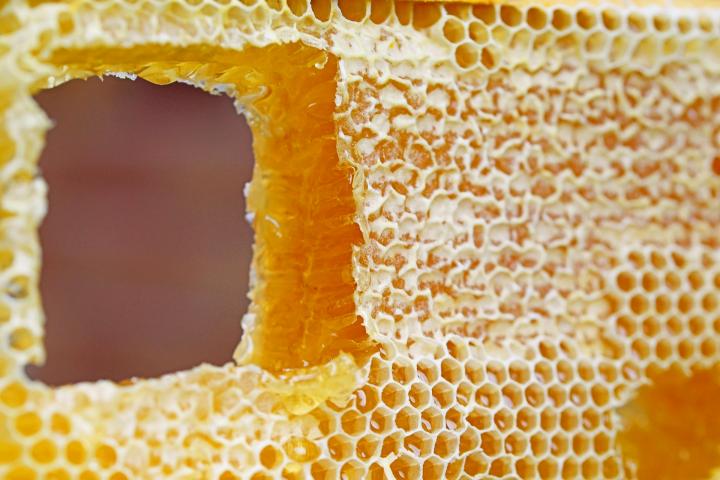
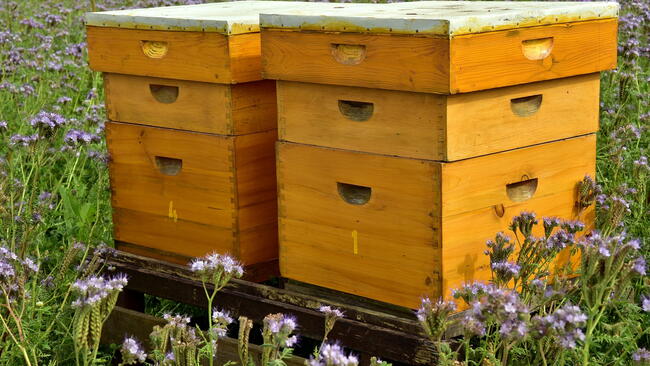
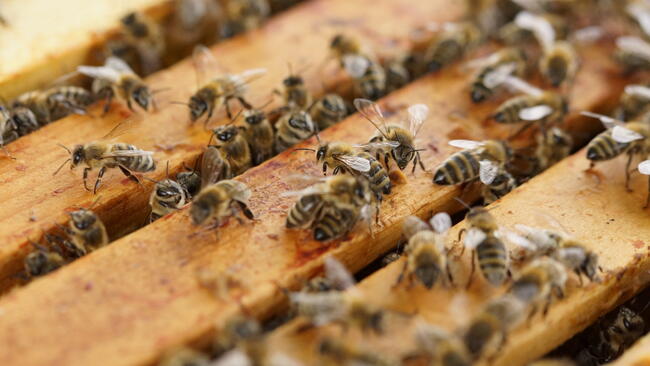
For honey production, beekeepers give extra hive boxes called “honey supers” to strong colonies. These boxes contain frames of pre-formed honeycomb. After the bees have filled the honey super and sealed the comb with wax, it is ready to be harvested.
Remember not to take all of the honey from the hive—you don’t want your bees to starve over winter! Take only the excess or what’s in the extra honey super.
Using a Fume Board v. a Smoker
The easiest way to harvest honey from a beehive is through the use of a fume board. A fume board looks much like a regular telescoping top/outer hive cover, but the inside contains an absorbent material that is sprayed with a non-toxic solution that the bees do not enjoy. Place the fume board on top of the full honey super you wish to harvest. After a few minutes, the bees will move away from the smell and vacate the honey super, which lets you remove the box of honey with minimal disturbance.
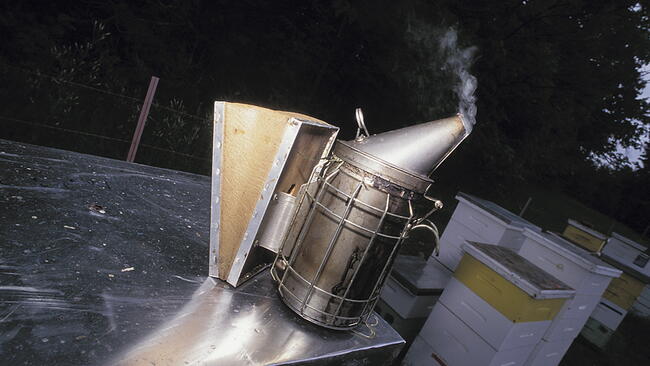
Beekeepers often use a smoker to pacify the bee colony, but using too much during harvesting can affect the honey’s flavor.
How to Extract Honey from Honeycomb
After removing the honey super from the hive and bringing it to a location protected from bees, you can begin the extraction process:
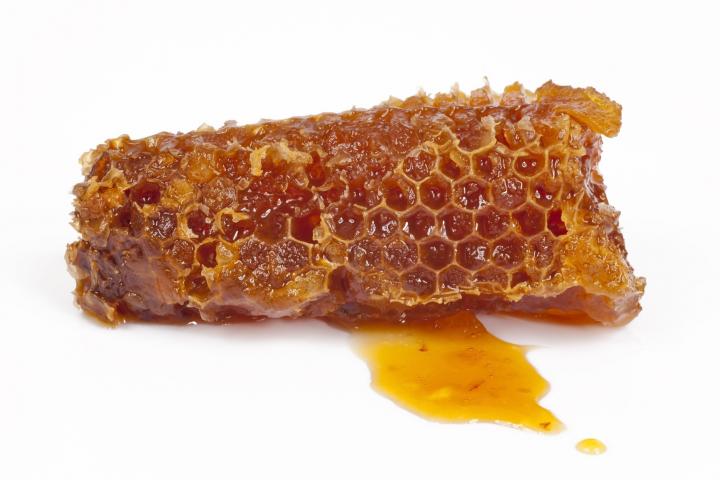
A hot knife is used to cut the wax cappings off the cells of the honeycomb. These wax cappings can be used to make candles, so don’t throw them away! Once the cappings have been removed, you can begin to separate the liquid honey from the comb.
Honey Extractor v. Crush and Strain Method
A honey extractor—either electric or manual—uses centrifugal force to separate the liquid honey from the comb without destroying the comb. This allows the beekeeper to reuse the frame of an empty comb in the honey super.
Alternatively, the honey-filled comb can be cut out of the frame, crushed, and strained through cheesecloth. The resulting beeswax can be used for candles or other projects.
| Method | Best For | Pros | Cons |
|---|---|---|---|
| Honey Extractor | Larger harvests | Reusable comb | Equipment cost |
| Crush & Strain | Small batches | Simple setup | Destroys comb |
How to Bottle and Store Fresh Honey
After extraction or straining, the liquid honey is allowed to settle for a few days in a closed container and is ready to bottle.
FAQs
When is honey ready to harvest?
Honey is ready when at least 80% of the honeycomb cells are capped with wax. The wax capping signals that the moisture content is low enough to prevent fermentation. Harvesting too early can result in watery honey that may spoil.
Can you harvest honey in the first year?
Sometimes—but not always. Many new colonies spend their first season building comb and storing enough food for winter. In most climates, significant honey harvests begin in the second year once the colony is fully established.
How much honey should you leave for the bees?
It depends on your climate, but in colder regions, a colony may need 60–90 pounds of honey to survive winter. Always leave enough stores for your bees before taking any surplus.
Does harvesting honey hurt the bees?
When done properly, harvesting honey does not harm the colony. Using calm movements, minimal smoke, and removing only surplus honey helps reduce stress on the bees.
What happens if you harvest honey too early?
Unripe honey has a higher moisture content and can ferment in storage. It also removes food the bees may still need, especially if nectar flow slows unexpectedly.
What is a honey super?
A honey super is an additional hive box placed above the brood chamber. It contains frames where bees store excess honey, making it easier for beekeepers to harvest without disturbing the brood nest.
What is the easiest way to extract honey?
For larger harvests, a honey extractor uses centrifugal force to spin honey out of the comb while preserving the frames. For small batches, the crush-and-strain method works well but destroys the comb.
How long does fresh honey last?
Pure, properly stored honey can last indefinitely. Store it in a sealed container at room temperature. If it crystallizes, gently warm the jar in a bowl of warm water to return it to liquid form.
If you want your colony to keep producing honey, you need to keep the bees healthy. Next, learn about common bee diseases and how to prevent them.
Beekeeping 101: Raising Honeybees in Your Backyard
Read through our Beekeeping 101 series to get an overview of backyard beekeeping:

More Like This

No, hummingbird nectar (sugar water) is perfectly fine for bees to drink. If you feed your hummers sugar water with red dye in it (which you should NOT do), you would notice that the bees' honey is tinted red. Otherwise, you wouldn't see any real difference in quality.
Hi, Kelly: Beehives can be targets for bears, raccoons, skunks, mice (fall warmth), yellow jackets, and any number of other critters. That being said, attacking or inhabiting a beehive is usually not a pleasant experience for them, so it is not something that is constantly happening. So, beehives don't necessarily "attract" pests, but can indeed be targets of opportunity. Thanks for asking!

Comments