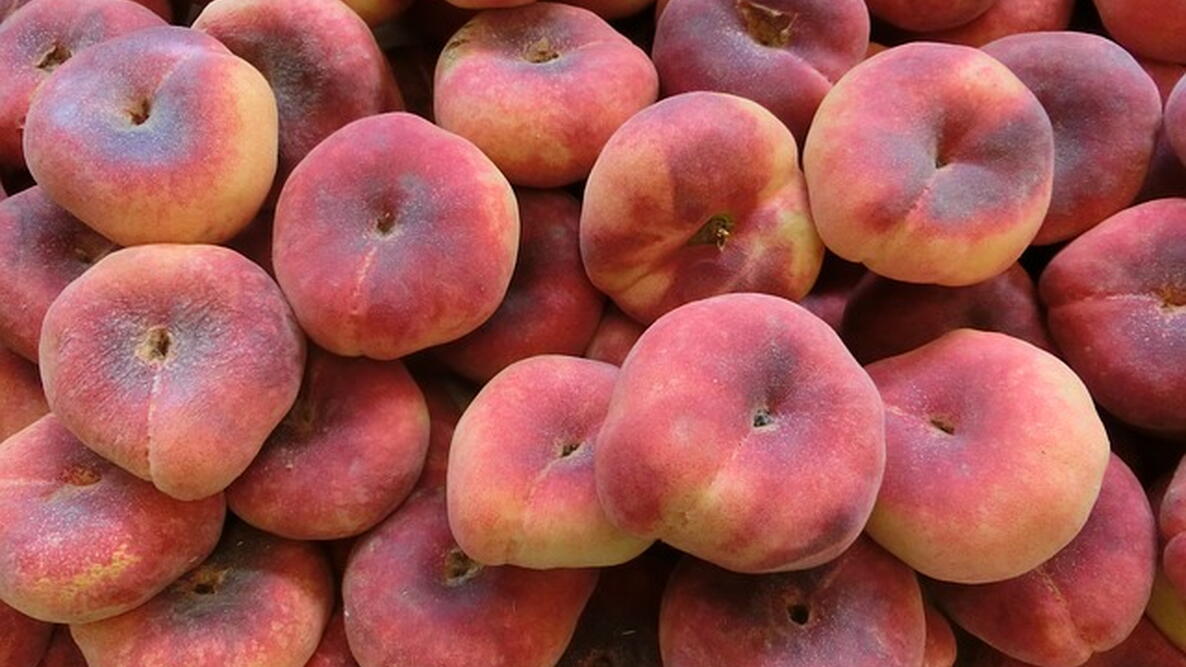

Growing stone fruit trees like those that bear peaches, plums, cherries, and apricots is a rewarding way to enjoy fresh fruit right from your backyard. These easy-to-care-for fruit trees provide beautiful spring blossoms and delicious harvests with minimal pruning and maintenance.
What Is a Stone Fruit?
Peaches, apricots, nectarines, plums, and cherries are classified as stone fruit because of the single pit (stony seed) within their sweet, fleshy fruit. These fruits grow on easy-care trees that require less pruning than those bearing apples or pears. Most are hardy to Zone 5, and some varieties to Zone 4. Many folks love to grow them as accent pieces due to their lovely flowers and delicious fruit.
How to Grow Stone Fruit Trees
Choosing the Right Location
Spring is a good time to plant fruit trees, but choose your location wisely. Select a site that receives sunlight for most of the day. (When planted in shade or too close to a building, trees may not produce as much fruit.) They will do equally well in lawns or a tilled garden area.
Selecting Rootstock and Variety
When buying your tree, ask about the characteristics of the rootstock, including hardiness, size, growth habit, soil requirements, disease resistance, and chill hours.
Pollination Requirements
Peaches and most apricots and nectarines are self-pollinating, as are many varieties of plums and cherries, so a bountiful crop of fruit is possible even if you only have room for just one tree.
Dwarf vs. Standard Trees
Gorgeous spring flowers and attractive foliage qualify any of the stone fruit trees as ornamental for the landscape, and since most stone fruit trees can be bought as both standard and dwarf trees, one can usually be found to fit almost any spot. Some dwarfs do very well in containers.
Types of Stone Fruit Trees
| Stone Fruit | Self-Pollinating | Hardy Zone | Best Use |
|---|---|---|---|
| Peaches | Yes | 5–8 | Fresh eating |
| Apricots | Yes | 5–7 | Fresh & drying |
| Plums | Some | 4–8 | Cooking & fresh |
| Cherries | Some | 4–8 | Baking & fresh |
Peaches and Nectarines
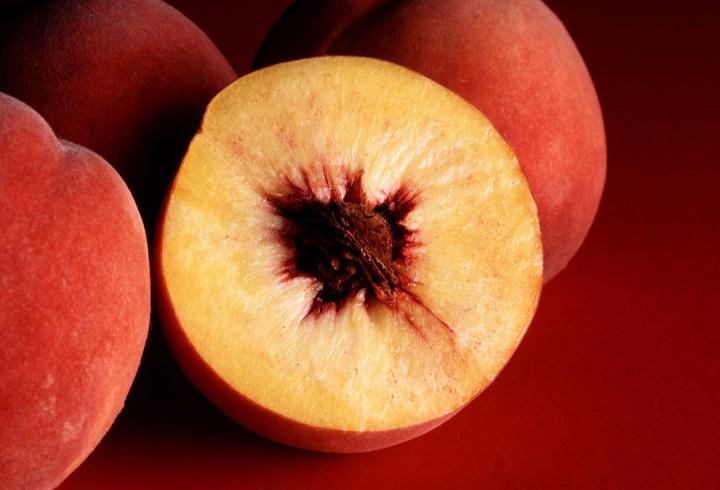
Peaches and nectarines are the same fruit and share the same scientific name, Prunus persica. Their only difference lies in one gene that controls the fuzz. Whether you enjoy them fuzzy or clean-shaven, you will agree that there is nothing like the taste and aroma of these fruits eaten straight from the tree.
See our Peach Tree Growing Guide for more information.
Apricots
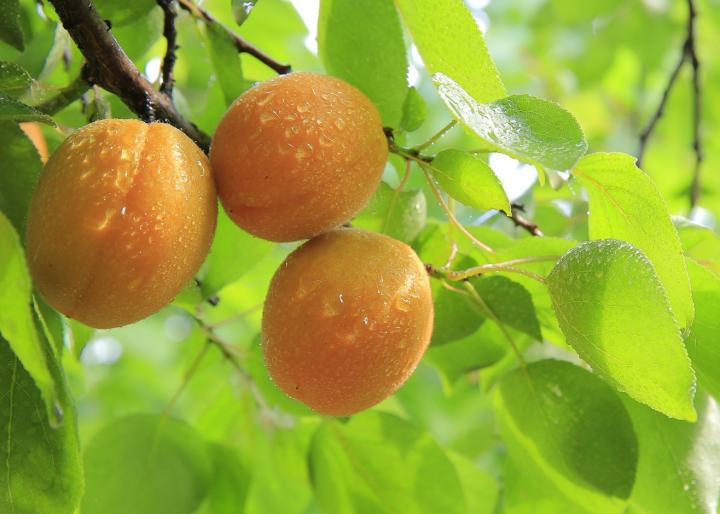
Freshly picked apricots are fragile, so almost all commercially grown apricots are dried, canned, or frozen for shipping. Growing your own, however, will ensure a plentiful supply for fresh eating. Apricots have a rich, peachy flavor with hints of citrus and spice.

Plums
Most plums fall into one of two categories: European and Japanese. European plums, also known as prune plums, tend to be smaller and sweeter and dry easily. Japanese varieties are larger and juicier but are not as cold-hardy. European plums are self-pollinating, while Japanese plums must be grown with a second Japanese variety in order to set fruit.
See our Plum Tree Growing Guide for more information.
Cherries
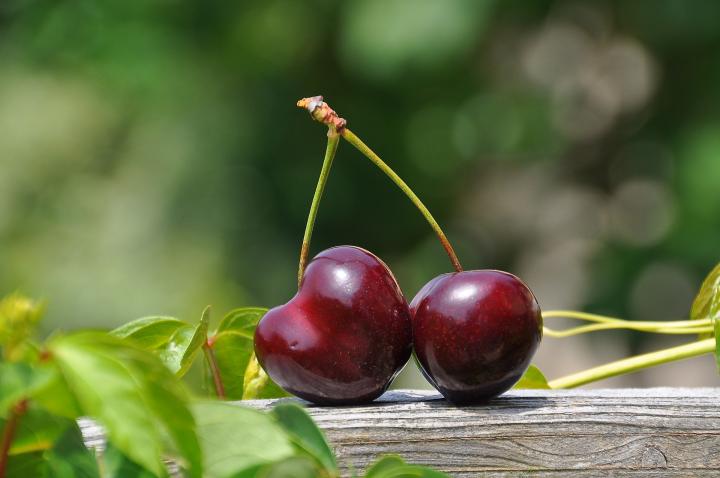
Sour or pie cherries are self-pollinating. Most sweet cherries are not—with a few exceptions, however, including ‘Stella’ and a cold-hardy Canadian cultivar named ‘Lapins’. Be sure to cover your crop with garden netting to deter hungry birds.
See our Cherry Tree Growing Guide for more information.
Stone fruits are not only delicious when eaten out of hand, but they are also wonderful for cooking. Serve them grilled, baked, roasted, or poached in wine. They make flavorful fillings for pies and tarts and are a colorful addition to salads and cold soups.
Frequently Asked Questions About Stone Fruit Trees
Are stone fruit trees easy to grow?
Yes, stone fruit trees like those bearing peaches, plums, and cherries require less pruning than apple and pear trees and are beginner-friendly.
Do stone fruit trees need full sun?
Yes, they need at least 6–8 hours of sunlight daily for proper fruit production.
Are stone fruit trees self-pollinating?
Many peaches and apricots are self-pollinating, while some plums and cherries need a second variety.
What USDA Zone do stone fruit trees grow in?
Most grow in USDA Zones 5–8, with some hardy to Zone 4.
What’s your favorite stone fruit? Let us know in the comments!

More Like This

Comments