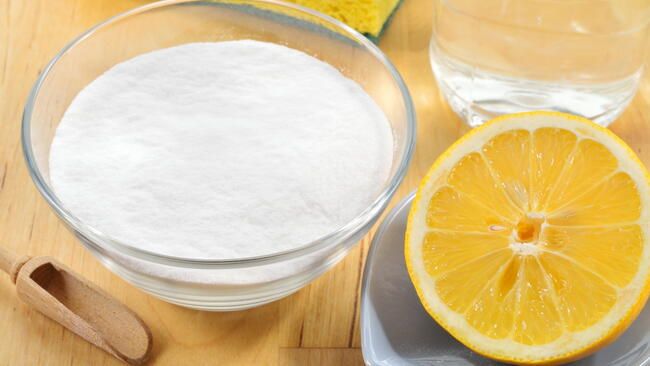
Looking for natural cleaning products that actually work? Many common household ingredients—like vinegar, baking soda, and lemon juice—can replace expensive chemical cleaners. These six versatile natural cleaners can tackle everything from dirty sinks and stained laundry to deodorizing carpets and cleaning windows.
I started using these products many years ago—mostly because so many commercial cleaning products gave me headaches and irritated my eyes and nasal passages. The headaches stopped, the natural products worked well, and they’ve saved a lot of money over the years.
Best Natural Cleaning Products for Your Home
I continue to love the fact that this half-dozen natural products, singly or in combination, will clean my toilet, tub, teeth, upholstery, carpets, and windows. They super-clean our grubbiest laundry, deodorize our pets and our car’s interior while they also soothe sunburns and insect bites, relieve an itch, gargle away many sore throats, and wash and condition my hair.
| Natural Cleaner | Best Uses | Where to Use |
|---|
| Vinegar | Disinfecting, removing limescale | Kitchens, bathrooms |
|---|
| Baking Soda | Scrubbing, deodorizing | Carpets, sinks, fridges |
|---|
| Lemon Juice | Stain removal, fresh scent | Laundry, countertops |
|---|
| Salt | Abrasive scrubbing | Mugs, sinks |
|---|
| Borax | Laundry booster | Stain removal |
|---|
| Wood Ash | Glass polishing | Outdoor surfaces |
|---|
And please note: four of the six are pantry staples and safe enough to eat. (Do not consume borax or wood ash!)
Below, I remind you of just a few of the ways I use these products for tough cleaning and deodorizing tasks.
How to Clean With Vinegar
I use white vinegar in a spray bottle to sanitize kitchen and bathroom surfaces; prevent or remove hard-water scale from the coffee pot, tub, and toilet; clean windows; and remove labels from products or stickers from walls. It will unplug most drains by pouring half a cup of baking soda, followed by a cup of white or cider vinegar. (Don’t use a commercial drain product first, as you could create toxic fumes.)
I’ve learned those tough, longstanding, tough limescale stains in sinks and toilets that no amount of scouring will clean will eventually give way after repeated, long soakings with white vinegar.
Oh, and a couple of tablespoons of ordinary olive oil in a cup of vinegar works well to dust and polish wood furniture.
→ See more household uses for vinegar.
Cleaning With Baking Soda
Especially in combination with salt, baking soda works well for scouring sinks and tubs, brushing your teeth, wiping down and deodorizing the refrigerator, and removing smells and stains from carpets and upholstery (rub in, leave for an hour, shake or vacuum out).
→ See more household uses for baking soda.
Household Uses for Lemon Juice
Half a cup in a gallon of water helps brighten white clothes without bleach (especially if you hang the clothes in the sunshine.) Sprayed or rubbed on straight, lemon juice removes stains from countertops and rust stains from clothing. Clean toilets with a paste of baking soda and lemon juice; squirt lemon juice for a fresh smell.
Half a cut lemon left on a shelf will deodorize the fridge. Sprayed or rubbed on with a cloth, straight lemon juice (or straight vinegar) will remove mold and mildew from many surfaces.
→ See more household uses for lemons.
Natural Cleaning With Salt
One part table salt mixed with four parts each of borax and baking soda makes a good scouring powder for tubs, sinks, and toilets. Adding a little vinegar to a teaspoon of salt makes a good scrub for removing coffee or tea stains from mugs and cups. (And don’t forget the health benefits of salt.)
→ See more household uses for salt.
How to Use Borax for Cleaning
Borax helps clean the tub and remove tough stains in laundry. I add it to baking soda and salt to make a general-purpose scouring powder.
While it is effective for cleaning, it should be handled carefully and kept out of reach of children and pets.
Surprising Cleaning Uses for Wood Ash
In a paste with a little water, wood ash cleans glass! Sprinkled on and scrubbed into pavement, bricks, and stone, it will help remove oil stains.
→ Read more about the surprising uses of wood ashes for the home and garden.
Frequently Asked Questions
What are the best natural cleaning products?
Some of the most effective natural cleaning products include vinegar, baking soda, lemon juice, salt, borax, and wood ash. These simple ingredients can clean, deodorize, and remove stains throughout the home without relying on harsh chemicals.
Does vinegar really disinfect surfaces?
Yes, white vinegar has natural antibacterial properties and works well for cleaning many kitchen and bathroom surfaces. While it may not kill every type of germ, it is effective for everyday cleaning and removing hard-water buildup.
Is baking soda a good cleaner?
Baking soda is an excellent natural cleaner because it acts as a gentle abrasive and deodorizer. It can scrub sinks, remove odors from carpets and refrigerators, and help lift stains from many surfaces.
What should you not mix with vinegar?
Vinegar should not be mixed with bleach or hydrogen peroxide. Combining these products can create harmful fumes. Vinegar also should not be used on natural stone surfaces like marble or granite because it may damage them.
Can natural cleaners replace chemical cleaners?
In many cases, natural cleaners can replace commercial products for everyday household cleaning. Ingredients such as vinegar, baking soda, and lemon juice can tackle grease, stains, and odors effectively.
Can natural cleaners save money?
Yes. Many natural cleaning ingredients are inexpensive pantry staples that can replace multiple store-bought cleaners, helping reduce household cleaning costs.
When you come up against challenging cleaning or deodorizing tasks, try one or more in combination, and you’ll probably find something that will do the trick. That’s what I do, and it almost always works!







Comments