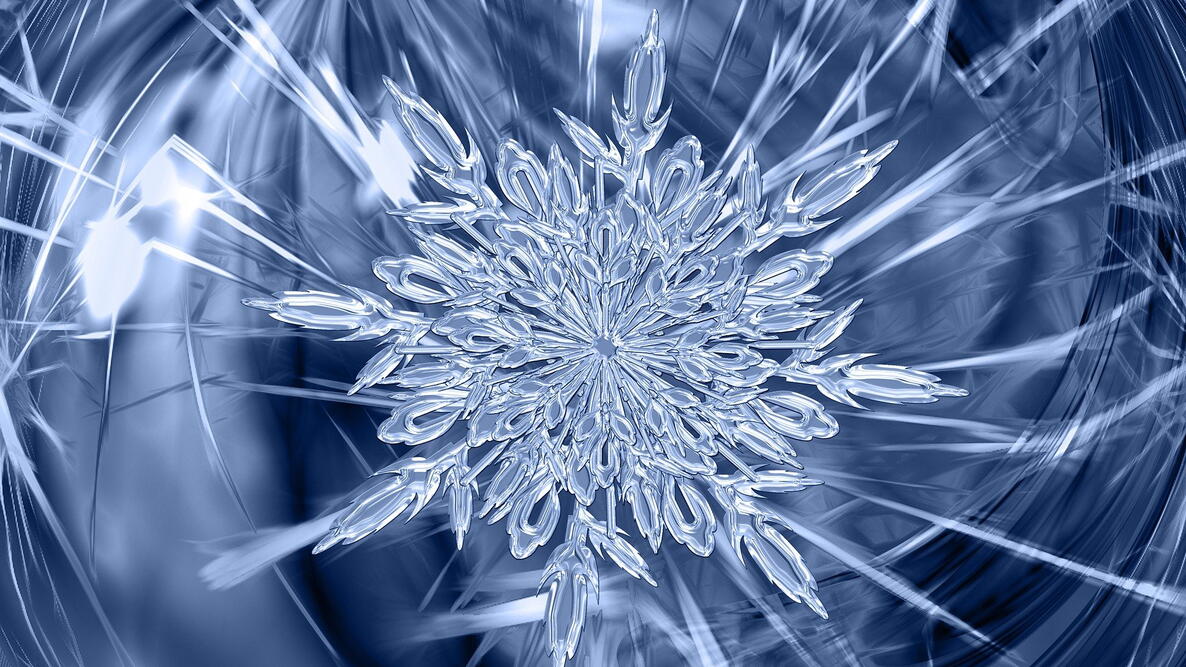

Snow might look simple from a distance, but it’s actually full of science, surprises, and strange quirks. From giant 15-inch snowflakes to pink “watermelon snow,” winter precipitation is more fascinating than most of us realize. Here are some cool snow facts that will change the way you look at the next snowfall.
1. Snow Isn’t Actually White
Snow only appears white. Individual snow crystals are translucent, but when billions of them pile up, light scatters off the tiny surfaces and edges, creating the white appearance we’re used to.
2. Snow Can Also Be Pink, Orange, Yellow, or Green
While technically colorless, snow may contain dust or algae that give it different colors. Orange snow fell over Siberia in 2007, and pink snow (watermelon snow) covered Krasnodar (Russia) in 2010.
Watermelon snow is common in mountains and has a sweet smell and taste. However, it frequently contains nasty algae that will make you sick, so don’t eat it!

Photo: Wikipedia
3. A Single Snowstorm Can Hold Tremendous Energy
One major snowstorm can drop 39 million tons of snow—roughly the energy equivalent of 120 atomic bombs (without the danger, thankfully).
4. Do Alaskans Really Have 50 Words for Snow?
We’ve often heard that native Alaskans have many words for “snow,” though linguists have now studied this and question how this is decided (getting into details such as “root words” and definitions of “snow” versus snow-like words). It seems to be a hot debate!
Bottom line, we do know that the indigenous peoples (Inupiaq) do have an extensive vocabulary for snow and ice, which isn’t surprising given their year-round natural environment!
The native Alaskans should get together with snowboarders. Skiers are always using different words, such as “pow pow,” “mashed potatoes,” “champagne snow (powder),” “cauliflower,” “sticky snow,” “dust on crust” to describe the snow.
5. The Largest Snowflakes Ever Recorded Were Enormous
Snowflakes can get huge! According to Guinness World Records, the largest snowflakes on record were 15 inches (38 cm) in diameter and 8 inches thick. They fell on Fort Keogh, in eastern Montana, on January 28, 1887. Nearby ranchers described the flakes as “larger than milk pans” and measured them; “8 inches thick”.
6. Fear of Snow Is Real
“Fear of Snow” is a thing. It’s called “chionophobia,” which comes from chion, the Greek word for snow. In case you’re wondering what’s so scary, imagine being caught in an avalanche or buried under snow; for some people, it’s similar to the fear of water.
7. Snow Is Mostly Air—About 90%
About 90% of snow is air. Snow is a great insulator and keeps us warm. Snow is almost all air, so it’s used for hibernation by many animals. Did you know igloos can be 100 degrees warmer inside? If you’re ever stuck in the snow, build a snow cave!
8. Snow Helps the Garden
Snow is good for the garden. Think of snow as nature’s mulch. It provides needed moisture as well as nutrients. Nitrogen attaches to snowflakes as the snow falls through the atmosphere. That’s why The Old Farmer’s Almanac calls snow a “poor man’s fertilizer.” Learn more about the benefits of snow.
9. Snowflakes Don’t Always Fall Slowly
While flakes often appear to drift down gently, they can fall up to 9 miles per hour in the right conditions.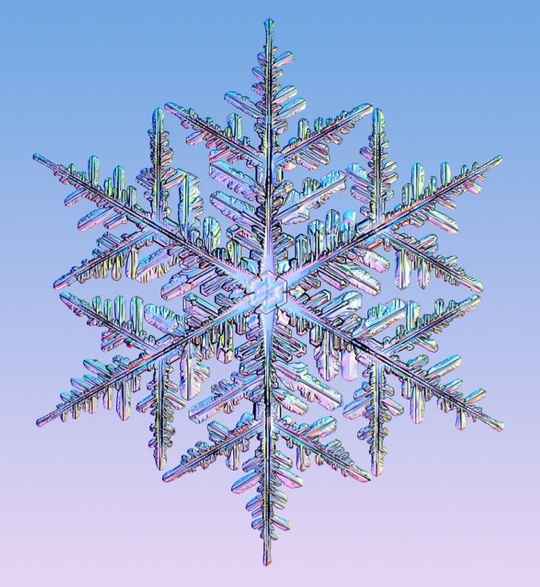
10. Are No Two Snowflakes Alike?
In nature, the likelihood of two identical snowflakes forming is extremely small. Each one follows a unique path through the atmosphere, building different patterns and shapes. Learn more about snowflake shapes.
Whether you love snow for skiing or dread shoveling it, winter’s icy masterpiece is full of fascinating science and strange surprises. The next time flakes start falling, you’ll be able to see them in an entirely new way. Check out our winter forecast to see what is headed your way!


OOOh! A mild and minor typing error. Thank you for noticing.
My next blog will be about last weekend, when we had tornadoes, a blizzard, a tropical storm warning and Santa Ana winds and fires. Like you, I hope everyone is safe!
Enjoy it while it lasts. I hope the leaves are pretty where you are.

Comments