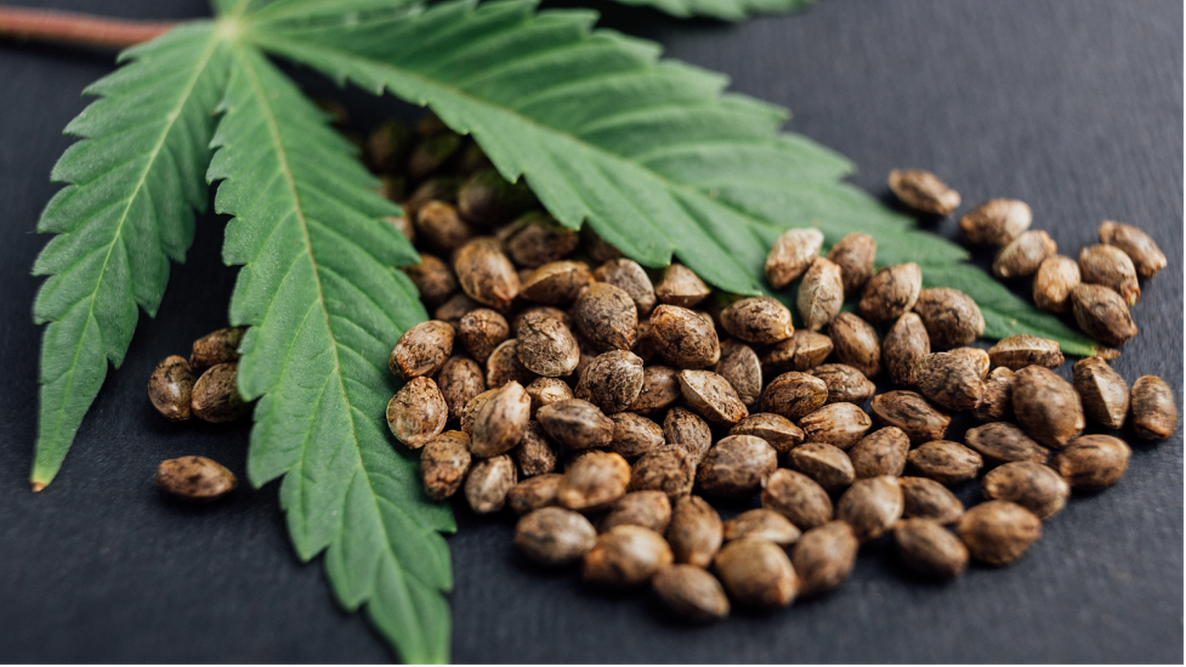
Caption
From seed to harvest in weeks—autoflowering cannabis starts here.
Choosing the Right Autoflower Seeds for Your Garden
Some plants watch the calendar; others check the Sun. Much like bush beans that bloom on their own schedule, cannabis can be grown from seed types that flower by age—not by changes in daylight. Called autoflower seeds, these fast-growing varieties race from seed to harvest in just 8 to 12 weeks. If cannabis is legal to grow in your state, they’re a great choice for beginners. Here’s what you need to know before getting your auto seeds in the ground.
What Are Autoflower Cannabis Seeds?
Much like ever-blooming petunias or day-neutral strawberries, autoflowering cannabis flowers by internal cues—age, temperature, and readiness—not by changes in daylight. In gardening terms, these plants behave more like tomatoes and peppers than their photoperiod-sensitive cousins, which wait for shorter days to start blooming.
This trait comes from Cannabis ruderalis, a hardy subspecies that evolved in rugged regions of Russia and northern Asia, where harsh weather and short, cool summers prevail. Waiting for seasonal light shifts could mean missing the growing window entirely—meaning no harvest at all. So C. ruderalis adapted to flower on its own schedule.
For home gardeners, autoflower seeds offer speed, simplicity, and independence. Once planted, they grow, bloom, and finish in as little as 8 to 12 weeks—no light-schedule changes required.
How Autoflowering Works
Most plants take their cues from the changing length of the day. Corn stretches tall through summer’s long hours, and many flowers won’t bloom until daylight begins to shorten. Traditional cannabis—known as photoperiod—behaves the same way, flowering only when the light exposure shifts.
Autoflowering cannabis follows a different rhythm. Thanks to its heritage, it flowers by age, not sunlight. Breeders have crossed its rugged traits with more potent cannabis varieties. The result was auto seeds, which sprout, grow, and flower on their own clock, often racing from seed to harvest in just 8–12 weeks.
Autoflower vs. Feminized vs. Regular Seeds
Cannabis growers should understand that, just as there are differences between field corn, sweet corn, and popcorn, not all seeds have the same traits.
Just as gardeners choose between heirloom, hybrid, or open-pollinated vegetables, cannabis growers can choose among three main seed types: regular, feminized, and autoflowering. Each has its own strengths and tradeoffs, and understanding how they differ is the first step to choosing the right seed for your garden.
- Regular seeds are the traditional kind. Plant a handful, and you’ll get a mix of male and female plants. The females produce the flower buds valued by most growers, while the males are mainly used for breeding. With regular seeds, you’ll need to watch closely and remove the males if your goal is flowers, not pollen.
- Feminized seeds are specially bred to grow only female plants. That means nearly every seed produces flowers, with no need to identify and remove males. Feminized seeds are efficient and predictable—a good fit for most home gardeners.
- Autoflower seeds are unique in that they bloom automatically by age, regardless of light. They’re quick, compact, and reliable—perfect for gardeners who want more of a hands-off approach and don’t want to fuss with light schedules.
Pros and Cons of Autoflower Cannabis Seeds
Each type of cannabis seed has its own strengths and shortcomings, and autoflowering strains are no exception. To make an informed decision, it’s important to understand both the benefits and the drawbacks:

Advantages
- Short growing time: Autoflower plants can complete their life cycle in just 8–12 weeks. No need to wait through long seasons to see results.
- Multiple harvests: Their speed allows for several plantings per year. It’s possible to stagger plantings or replant immediately after harvest, significantly increasing overall yield across the year.
- No light management: Unlike traditional photoperiod strains, these plants don’t depend on daylight changes to flower, making them especially beginner-friendly.
- Predictable results: Because flowering is age-based, timing is consistent from seed to seed.
- Compact and discreet: Ideal for limited spaces, indoor setups, or discreet outdoor growing.
- Hardy genetics: Thanks to their C. ruderalis heritage, autoflowers handle less-than-perfect conditions better than many other cannabis varieties, which adds to their appeal for growers in challenging climates.
Disadvantages
- Smaller yields: While there are exceptions, their compact size and short life cycle mean they produce less than photoperiod plants.
- Less control over growth: Once flowering starts, it can’t be delayed or reversed. There’s limited time to recover from early mistakes.
- Short lifespan: Rapid growth means less recovery time from stress, such as transplant shock or overwatering.
- Higher cost: Autoflower seeds are often pricier per seed, though many gardeners find the convenience worth it.
Best Autoflower Seeds for Beginners
For beginners, it’s best to choose autoflower seeds that are sturdy, quick to finish, and tolerant of small mistakes—much like easy-to-grow herbs. For example, strains with shorter flowering times, moderate nutrient needs, and compact growth are generally easier to manage.
Sponsored resource: Browse autoflower cannabis seeds for beginners.
Traits to Look For:
- Durable plants that withstand pests and variable conditions
- Quick finishers that minimize the window for error
- Compact size for easy handling indoors or out
- Moderate nutrient needs (less prone to “burn”)
- Reliable genetics with consistent results
Easy-Grow Champions and How to Choose
For first-time growers, the key is to pick strains that don’t mind a little trial and error—the kind that thrive even if you forget to water one day (or two). These autoflower strains are sturdy, fast, and forgiving. They won’t punish you for rookie mistakes, and they’ll still reward you with satisfying yields and quality buds.
Beginner-Friendly Favorites:
- Northern Lights Auto – the classic “training wheels” strain. Compact, tough as old boots, and fast (8–10 weeks). Perfect for those first attempts, when you’re likely to overwater or underfeed.
- Super Lemon Haze Auto – citrus-scented. Doesn’t get wild in size. Manageable indoors or out, with a friendly aroma.
- Jealousy Auto – a light strain that doesn’t demand perfection. Good yields and less likely to throw tantrums.
- Amnesia Auto – a slight step up in size and potency, but still beginner-friendly.

Tips for Choosing Autoflower Cannabis Seeds
Choosing the right autoflower seeds is half the harvest. A little care at the start will save you trouble down the line. Think about your goals—quick crop, big yield, bold flavor—and match your seeds to your space and climate.
Indoor vs. outdoor growing
Autoflower seeds are flexible enough to thrive in both indoor and outdoor gardens, but each setting brings its own considerations.
Indoors
Autoflower seeds tend to do exceptionally well in indoor growing setups, where their compact size makes them easy to manage in small tents or grow rooms. Since they don’t depend on light cycles to begin flowering, you can keep them under a steady 18–20 hours of light per day for the best results.
Their short life span also means you can run repeated harvests back-to-back throughout the year, regardless of the season. For indoor growers, ventilation, temperature control, and a simple nutrient schedule are usually enough to keep them on track.
- Shortcut Auto is a compact, short-stature autoflower that adapts well to small indoor environments. Its genetics offer a good balance: low stress under indoor conditions, responsive to gentle training, and compact enough to avoid shading issues in tight tents. It’s a smart option when you don’t have much vertical space to spare.
Outdoors
In the garden, autoflowering strains are valued for their speed and hardiness. Because they’ll hit the flowering stage by age, you can plant them in early spring, mid-summer, or even late in the season and still expect a harvest.
Their resilience helps autoflowering plants adapt to changing weather, cooler nights, and less-than-ideal soil conditions, which is great for outdoor growers. That said, their smaller size means yields per plant are lower than photoperiod strains, so growers often plant several at once or stagger sowings to make the most of the season.
- Mystic Gorilla Auto is a medium-height plant that balances manageable stature with good yield outdoors. She’s sativa-leaning, produces dense, resinous buds, and finishes fast (6–8 weeks) under sunlit conditions.
Matchings to Climate and Space
No matter how good the genetics, cannabis plants grow best when they’re matched to the conditions around them. Climate and space are two of the most important factors to consider before choosing autoflower seeds, and giving some thought to both can make the difference between a smooth grow and a constant struggle.
Cool or Short Summers
Autoflowering plants are naturally hardy, but some strains are better suited to particular environments. In cooler regions with shorter summers, quick-finishing varieties are ideal—they reach harvest before the weather turns.
- Try: White Widow Auto – a proven performer in chillier climates. Compact, sturdy, and ready to harvest in as little as 8–9 weeks.
Warm or Long Seasons
In warmer climates, longer-running autos may have time to bulk up, yielding larger yields. These plants thrive in steady heat and full direct sunlight, rewarding growers with both size and potency.
- Try: Amnesia Haze Auto – tall, vigorous plants that reward patience with generous harvests and uplifting sativa effects.
Humid or Dry Environments
Growers in humid areas may want to look for autoflowering cannabis strains noted for their resistance to mold and pests. At the same time, those in drier regions might favor genetics bred to handle heat and drought.
Space and Size
Autoflowers are known for their compact size, but not all strains grow the same way. Some stay short and stocky, perfect for small grow tents, balconies, or discreet outdoor spots. Others stretch a little taller, which can be an advantage if you have more room and want a larger harvest.
Quick Comparison: Autoflower, Feminized, and Regular Seeds

Regular Seeds
How they grow: Produce both female and male plants, usually in about a 50/50 ratio. During the vegetative stage, you won’t know the sex until pre-flowers develop, so growers must monitor closely. Males need to be removed quickly if the goal is resinous buds rather than pollinated flowers.
Strengths:
- Natural, stable genetics - ideal for breeding and creating new strains
- Often robust and vigorous
Challenges:
- Requires more attention, making it a better fit for experienced growers
- Culling males takes time and effort
- Mistakes can result in accidental pollination and seeded buds
Feminized Seeds
How they grow: Bred to eliminate male chromosomes, producing nearly 100% female plants. This means every seed should grow into a bud-producing plant, skipping the need to sex your crop.
Strengths:
- Efficient use of space, time, and resources
- Highly predictable results and impressive yields
- Great for growers who want high-quality buds without wasted effort
Challenges:
- Not suitable for breeding unless plants are purposely stressed to produce pollen
- Quality can vary depending on the breeder, so trusted sources are essential.
Autoflower Seeds
How they grow: Switch from vegetative growth to flowering automatically, based on age rather than light cycles. Most finish in 8–12 weeks, with little input beyond basic care. Their C. ruderalis heritage gives them natural resilience and compact growth habits.
Strengths:
- Fast-growing cycle, allowing for successive harvests in a single season
- Compact and discreet plants fit easily into small or indoor grow spaces
- Require no light management, making them beginner-friendly
- Naturally resilient across diverse climates
Challenges:
- Short life cycle limits size and yield potential compared to photoperiod strains
- Once flowering begins, there’s no extending the vegetative stage to correct early mistakes or boost plant size
- Some strains offer slightly lower potency than feminized or regular photoperiods
Frequently Asked Questions
Are autoflower seeds feminized?
Yes, feminized autoflower seeds combine the convenience of automatic flowering with the assurance that nearly every plant will produce buds. Regular autoflowers also exist, but they’re less common outside of breeding circles.
Who has the fastest autoflower seeds?
Strains like Quick One Auto and Northern Lights Auto are among the fastest, finishing in just 8–9 weeks from seed to harvest. These rapid-growing autos are ideal for short seasons or quick indoor cycles, offering consistent quality and impressive resin production despite their brief lifespan.
What’s the best autoflower seed to grow?
Girl Scout Cookies Auto and Gorilla Glue Auto stand out for yield, potency, and ease of growth. Both thrive indoors or outdoors and don’t require complex training or lighting schedules. They produce dense, resin-rich buds in under 10 weeks, with balanced effects that appeal to both new and experienced growers.
What is the most potent autoflower?
Modern autoflower strains can rival traditional photoperiods in strength. Varieties like Bruce Banner Auto and Gorilla Glue Auto are bred for high resin production and dense trichome coverage, often reaching THC levels of 25% or more. These compact plants finish fast and deliver robust yields—proof that potency no longer requires a long growing season.
Which autoflower has the highest yield?
Gorilla Glue Auto and Amnesia Haze Auto are top-yielding autos, producing up to 600–700g/m² indoors. Other high-yielding options include Critical Mass Auto and Big Bud Auto, which deliver large harvests without sacrificing potency or quality.
Wrapping It Up
Autoflower cannabis seeds stand out for their speed, resilience, and ease of care—making them a favorite for beginners and experienced growers alike. They thrive indoors and outdoors, deliver repeat harvests in a single season, and don’t require the light-cycle management of traditional strains.
That said, their shorter lifespan and typically smaller yields mean they aren’t the perfect fit for every grower. Compared with regular seeds, which offer natural genetics but require careful sexing, and feminized seeds, which guarantee females but limit breeding options, autoflowers provide a balanced blend of convenience and reliability. And since they can also be feminized, growers can enjoy both automatic flowering and nearly all-female crops.
The key to success lies in matching your seeds to your goals, space, and climate. With the right choice, you’ll set yourself up for a smoother grow and a more rewarding harvest.
For a deeper dive into cultivation techniques, see our Cannabis Growing Guide, where we cover everything from germination to harvest in step-by-step detail.

More Like This

Comments