
Caption
Young roe deer munching on pink mallow flowers in the summer garden.

Deer can quickly turn a vegetable or flower garden into an all-you-can-eat buffet. Fortunately, there are several homemade deer repellents you can make with simple household ingredients. From egg and garlic sprays to hot peppers and deer-resistant plants, these natural deer repellents can help discourage deer from browsing in your garden.
While fencing is the most effective way to keep deer out of the garden, natural options like DIY deer sprays, deer deterrent plants, and other safe repellents can make your plants less inviting – and sometimes prevent deer damage altogether. I’ve had the chance to try a number of different natural deer repellents over the years, and here are some of the most effective recipes that I’ve found actually work in my garden!

5 Homemade Deer Repellents
Many garden and livestock feed stores sell pre-made deer repellents that last a little longer than homemade sprays and typically contain some combination of predator urine spray, essential oils, capsaicin, or putrid egg solids. However, if you love to DIY or just want to cut costs by using items you already own, the deer repellents below can be quite effective—especially if you reapply them every 2 weeks and after heavy rainfall.

1. Egg Spray
Deer have sensitive noses, which they use to track down their favorite plant snacks. But those delicate senses can also work in your favor if you make repellents out of smelly items—like old eggs!
This old-timey technique has been used for generations as a natural deer deterrent. A University of Minnesota research project found that the home solution (a recipe of 3 chicken eggs per 3.78 L of water) was the most effective repellent.
I’ve made an egg-based deer repellent by blending three beaten eggs into one gallon of water, but other recipes add a tablespoon of dish soap, ½ cup of milk, and 1 tablespoon of vegetable oil to the mix.
Ingredients
3 eggs (beaten)
1 gallon of water
Instructions
Blend all ingredients until well combined
Pour into a garden sprayer.
Saturate the plants you’d like to protect.
Reapply every 1–2 weeks and after rain.
This mixture can be a bit smelly to human noses (sorry, neighbors!), but if it keeps deer away from my vegetable garden, I don’t mind one bit.

2. Garlic Spray
Aside from the smell of eggs, deer are also deterred by the scent of alliums, such as garlic, onions, and chives. I often grow these plants around the perimeter of my veggie or flower beds to keep deer from browsing, but I’ll also sometimes use fresh garlic to make a DIY deer spray.
If you want to give this recipe a try, chop and then smash a whole head of fresh garlic and blend it with a gallon of water and a squirt of dish soap.
Ingredients
1 whole head of garlic, chopped & smashed
1 gallon of water
1 squirt dish soap
Instructions
Blend garlic and water until well combined.
Add dish soap to help the spray stick to leaves.
Strain if desired, then pour into a garden sprayer.
Spray directly on plants and reapply as needed.
This is one of my favorites for vegetable gardens since it’s natural and safe, and it smells way better than eggs.

3. Hot Pepper Spray
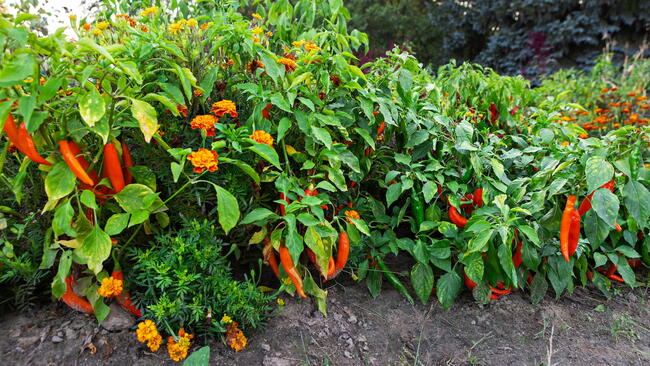
Deer don’t like getting a mouthful of spicy hot peppers, so it makes sense that sprays made with hot peppers can deter all but the hungriest deer. Store-bought deer repellents often contain capsaicin—the compound in hot peppers that makes them fiery hot—but it’s easy to make your own.
Blend a squirt of dish soap into a gallon of water, and then mix in either 2 to 3 smashed hot peppers, 3 to 5 tablespoons of cayenne powder or chili flakes, or two tablespoons of the hottest hot sauce you can find!
Ingredients
1 gallon of water
1 squirt dish soap
Choose one of the following:
2–3 smashed hot peppers, OR
3–5 tablespoons cayenne powder or chili flakes, OR
2 tablespoons of the hottest hot sauce you can find
Instructions
Mix water, dish soap, and your pepper choice.
Pour into a sprayer and shake well.
Apply to plant leaves, especially new growth.
Reapply after rain or every 1–2 weeks.
This one might make you sneeze while mixing—but it’ll definitely make deer think twice about dinner.

4. Deer-Resistant Plants
If deer get hungry enough, they’ll eat most any plant. However, some plants naturally repel or resist deer damage. Growing deer deterrent plants near vulnerable vegetables or flowers, or around the exterior of your garden, can help protect your space without chemicals.
According to the OSU extension, planting lantana, chives, mint, and other strong-smelling herbs around those plants can help to deter deer from snacking on them.
Some of my favorite plants that I’ve found are best for keeping deer away include:
- Daffodils
- Marigolds
- Lavender
- Rosemary
- Russian sage
In general, deer avoid plants with prickly stems, strong scents, or fuzzy leaves. These plants don’t just add protection—they make the garden beautiful too.

5. Hair and Fur
As prey animals, deer avoid the scent of anything that smells like a potential predator. Predator urine sprays are sold for this reason, but you can get the same effect for free using pet fur or even human hair. Install the bags about 4 feet above the ground so they’re at the level of a deer’s nose height.
What you’ll need
Muslin bags or nylon stockings
Pet fur or hair cleaned out of your brush
Instructions
Fill bags or stockings with hair/fur.
Hang them 4 feet above the ground (deer nose height) around your garden.
Refresh the bags with new hair/fur every few weeks.
This one might sound odd, but it’s cheap, natural, and surprisingly effective. My dog contributes more to the garden than just digging holes in it!

What Is the Best Natural Deer Repellent?
Sprays made with smelly eggs generally make the most effective homemade deer repellent, but no spray or deterrent is 100% guaranteed to protect your plants. For this reason, it’s best to combine several natural deer repellents and switch them up so that deer don’t become accustomed to the same scent.
According to Vern Grubinger from the University of Vermont Extension, “Repellents work best in small plantings … It’s important to apply repellents at the first sign of damage, or even before damage occurs.”
It’s also important to be consistent when applying sprays. Reapply regularly, especially after rain, and ensure that you thoroughly saturate your plants.

Other Natural Ways to Keep Deer Out of Your Garden
Although deer repellent sprays can be effective, the number one way to stop deer from eating plants is to install a sturdy fence that’s at least 8 feet tall.
“Adequate fencing to exclude deer is the only sure way to control deer damage.” —C.E. Swift, CSU Extension.
This is why repellents are a support strategy, not a silver bullet. Deer are excellent jumpers, so shorter fences just won’t do much. If you want to make fencing even more deer-resistant, consider installing a second or double fence, just in case deer sneak past the first one.
If you’d rather layer different organic deer deterrents together, try adding these tricks alongside your sprays:
- Install motion-activated sprinklers or floodlights around your yard.
- Leave an outdoor radio on at night at a low volume.
- Add wind chimes and forms of deer “scarecrows.” I find reflective CDs or tin pie pans strung on strings work wonders for keeping deer and other pests out!
- Keep your garden tidy. This includes raking up wind-fallen fruit and nuts, harvesting produce as soon as it ripens (or a little bit before!), and keeping trees trimmed so they’re out of reach of deer.
- Add tree guards around the base of fruit and ornamental trees.
Frequently Asked Questions About Natural Deer Repellents
What smell do deer hate most?
In my experience, deer really dislike strong odors like rotten eggs, garlic, and hot peppers. Extension research backs this up—these smells overwhelm their sensitive noses and make plants less appetizing.
Do coffee grounds keep deer away?
Sadly, no. I’ve tried sprinkling coffee grounds around, and deer walked right past them to eat my tomatoes. They may help enrich your soil, but they won’t stop hungry deer. Discover the best ways to use coffee grounds in your garden.
How often should I reapply homemade deer spray?
Every 1–2 weeks, and always after a heavy rain. If you slack off, the scent fades and deer will test your garden buffet again.
What is the most effective natural deer repellent?
Egg-based sprays are usually the strongest. But honestly, I’ve had the best results when I mix things up—rotating between eggs, garlic, and hot pepper sprays so the deer don’t get used to one smell.
Are homemade repellents safe for vegetable gardens?
Yes! That’s the beauty of them. Since they’re made from kitchen ingredients, they’re safe to spray on and around veggies—just be sure to wash produce before eating.
By combining sprays, deer-resistant plants, fencing, and simple garden tricks, you’ll have a reliable, nontoxic strategy for protecting your flowers and vegetables from hungry visitors.

More Like This


Comments