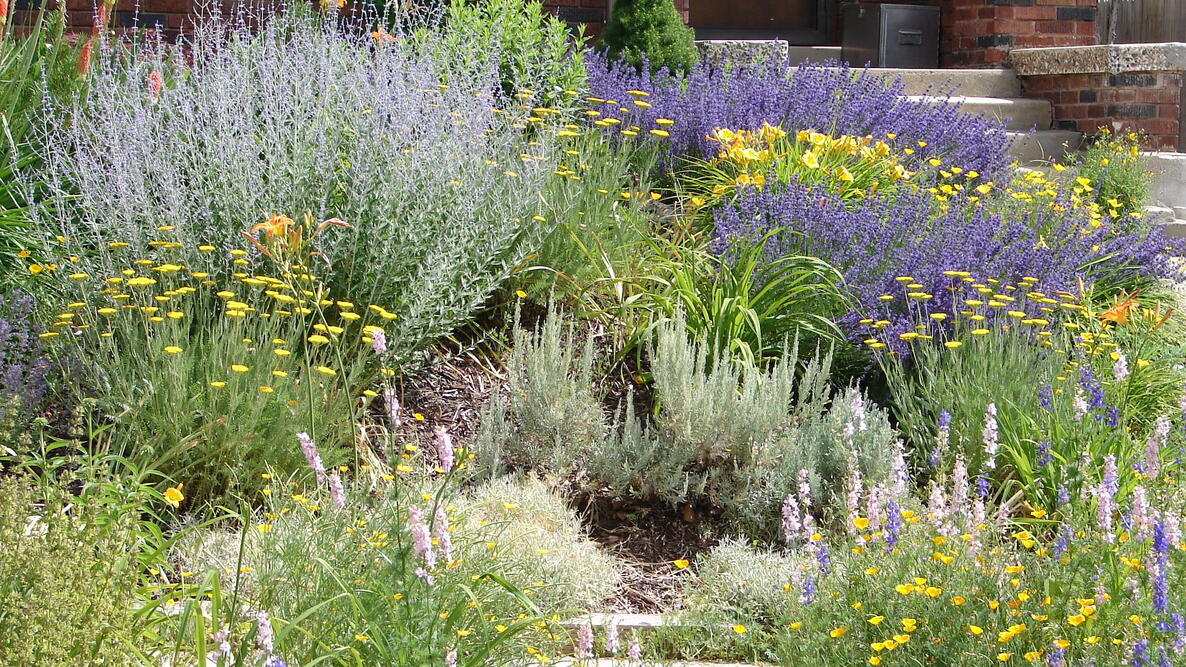
Caption
Not enough rain? Select the right plants and enjoy a colorful, vibrant garden!

Droughts, watering bans, rising water bills—these days, watering your thirsty yard is more of a challenge. That’s where xeriscaping comes in! Our beginner-friendly guide will walk you through the basics of xeriscaping, from choosing the right plants to soil preparation and maintenance, so you can enjoy a beautiful garden that thrives with less water.
What Is Xeriscaping?
Xeriscaping—from the Greek word xeros, meaning “dry,” combined with “landscaping”—is a commonsense approach to gardening that uses less water. It’s a method designed to work in harmony with your local climate, creating an attractive, eco-friendly yard or garden that utilizes plants requiring minimal water and care.

Today, Mother Nature can’t always be counted on to provide the inch of water per week most plants need to thrive. That might not sound like much, but 1 inch of rain equals about 62 gallons of water per 100 square feet of garden space! In dry regions, relying on traditional turfgrass or thirsty garden plants can quickly become unsustainable.
But xeriscaping isn’t for only dry climates—it’s a gardening philosophy for anyone who wants to work with nature, not against it. Whether you’re looking to replace your lawn or simply reduce watering, xeriscaping is about a low-maintenance approach to gardening that prioritizes healthy plants that aren’t water hogs.
Rather than completely removing turfgrass and replacing it with rocks, xeriscaping finds a balanced middle ground. A well-designed xeriscape might include some turfgrass or decorative stones alongside drought-tolerant plants and shrubs that thrive on the water naturally available in your environment.

Benefits of Xeriscaping
Xeriscaping, how do we love thee? Let us count the ways …
1. Water Conservation
Originally designed to conserve water in the dry U.S. Southwest, xeriscaping reduces water use by 50 percent or more. Its principles can be applied anywhere—even in areas with abundant rainfall—to create a naturally beautiful environment that requires a minimum of care and little, if any, irrigation. By choosing plants that naturally thrive within the level of your local rainfall, xeriscaping helps you cut back significantly on watering. You’ll still need to water sometimes, but less often—and when you do, soak the soil deeply to encourage strong roots that can find water on their own.
2. Reduced Maintenance
Unlike high-maintenance plants like tomatoes, native and drought-tolerant plants grow happily with little fuss. They’re tough, adapted to your environment, and need less watering, weeding, and feeding—meaning less work for you. Plus, you can still have a colorful, vibrant garden that suits your style.

3. Cost Savings
The biggest savings often come from cutting down on watering. A lawn guzzles water, but a well-planned xeriscape may need almost no extra irrigation after it’s established. That means lower water bills and fewer expenses on irrigation systems.
4. Environmental Benefits
Working with nature means using fewer chemicals, as native plants naturally resist local pests. Less mowing and watering also means less energy use and fewer carbon emissions—good news for your yard and the planet.

10 Principles of Xeriscaping: A Guide to Water-Wise, Low-Maintenance Gardens
Here are the tips and tricks that save that precious H₂O while keeping your garden happy and your chores light.
1. Pick Plants That Laugh at Drought
If you think xeriscaping means a garden full of prickly cacti and bare rocks, think again! With drought-tolerant plants, native shrubs, and smart planning, you can create a lush, colorful, and low-water landscape that saves both water and time.
Use plants that will thrive with the normal rainfall for your area (e.g., cacti in the Southwest; forsythia, daylilies, and Japanese tree lilacs in the Northeast). Also, seek native plants growing wild in your area; chances are that they survive on only the water that Mother Nature gives them. In addition, they provide habitat for songbirds and other wildlife.
Depending on your location, natives such as beach plum, green ash, mountain laurel, and witch hazel could all be great plants. (Here’s news: Pruning can be all but eliminated if plants are selected based on their ultimate size.) Explore local native nurseries for more.
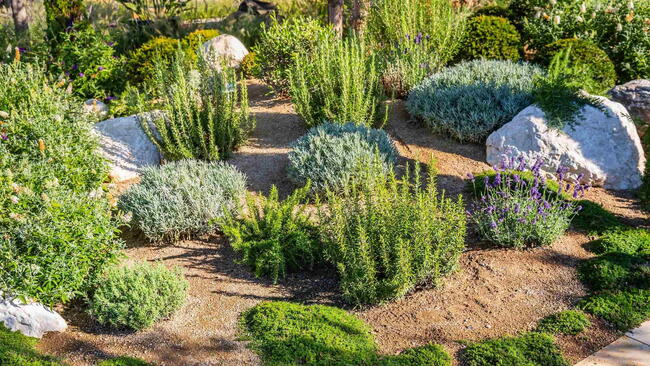
Here’s a handy list of drought-tolerant plants to get you started. We’ve included herbs native to the hot, dry Mediterranean; sedums and succulents, which hold water in their fat leaves; plants with fuzzy or waxy leaves that are slow to transpire moisture into dry air.
Drought-Tolerant Plant Picks
| Perennials, Trees, Shrubs & Groundcovers | Succulents & Cacti | Drought-Tolerant Annuals |
|---|---|---|
| Russian sage | Sedum/stonecrop (stonecrop) | California poppies |
| California sagebrush | Agave | Cosmos |
| Lavender | Yucca | Bachelor’s buttons |
| Daisy | Opuntia (prickly pear cactus) | Cleome |
| Black-eyed Susan | Various succulents! | Calendula |
| Coneflower (Echinacea) | Portulaca | |
| Blue grama grass | Globe amaranth | |
| Ornamental alliums | ||
| Yarrow | ||
| Agave | ||
| Salvia | ||
| Azalea | ||
| Juniper | ||
| Rosemary | ||
| Agastache | ||
| Veronica | ||
| Penstemon, or beardtongue |

2. Take a Good, Hard Look at Your Lawn
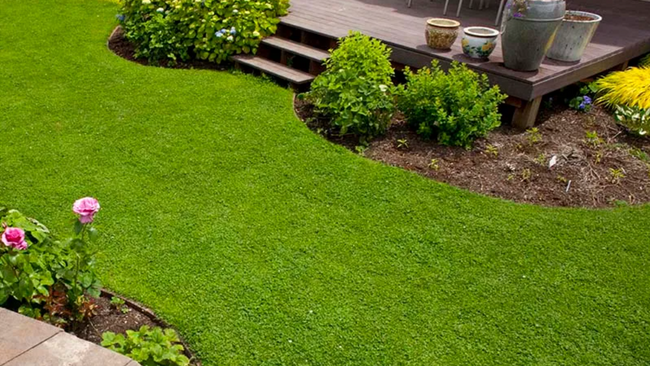
Limit lawn space. Keeping a large expanse of grass looking green in hot, dry weather is very water-intensive! If you must have a lawn, use native grasses or drought-tolerant species.
3. Group Plants With Similar Needs
Called zoning, this technique reduces work time by grouping plants with similar watering needs. You can concentrate your watering efforts and give each zone what it needs. Plant the most drought-tolerant plants in your driest areas. If there are some showy, high-maintenance plants that you can’t live without, create an oasis for them in a high-traffic area where you can enjoy them and take care of them easily.

4. Improve Your Soil
Soil is the secret sauce! Well-aerated soil, rich in organic matter, stores water well yet drains adequately enough to not become soggy. It encourages earthworms and beneficial microorganisms. Plants are able to establish deep roots and become more resistant to drought and disease. Happy roots mean plants that stick around through thick and thin.
Just about any soil can benefit from compost; it increases the water-holding capacity of sandy soil and loosens heavy clay soil to improve drainage. Compost is also a storehouse of plant nutrients that are slowly released into the soil to feed the plants over a long period of time. Spread 3 to 4 inches of compost (or well-rotted or bagged manure) over the top of the soil, then turn it in as deeply as you can.
5. Water Less
Xeriscaping means having not a waterless landscape but a “water less” one. Use efficient drip irrigation or soaker hoses under mulch to apply water directly to the root zones of plants with similar water needs.
When it’s time to water, soak the soil well, down to about 6 inches deep, every 10 days or so. This encourages roots to grow deep and strong. Early morning watering is best, and, again, water at soil level, not on plant leaves (which leads to disease). If you are using overhead sprinklers, water in the evening or early morning to minimize evaporation and wind drift.
6. Cover Bare Soil and Mulch!
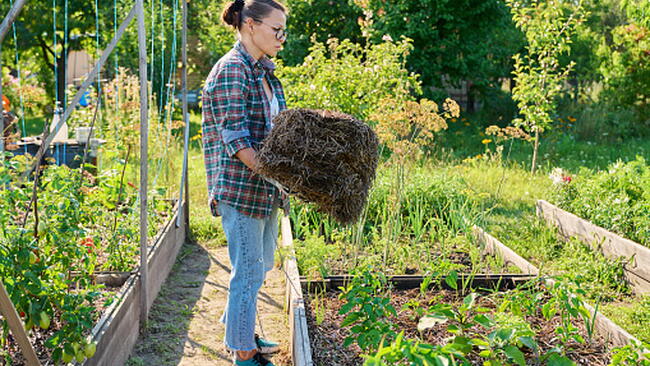
Cover up bare soil! Mulch is an important weapon against evaporation and provides a cushion during a downpour to lessen erosion and give the rain a chance to soak in rather than running off. It will also keep weeds from competing with your plants for precious moisture.
As the mulch breaks down, it releases nutrients into the soil, providing natural fertilization. Compost and finely shredded bark are excellent mulch choices. Apply a 2- to 3-inch layer throughout the planting bed and replenish as needed.
Tip: Use our mulch calculator to estimate how much you need.
7. Got Hills or Uneven Ground? Keep Water Where It Counts
If your ground is sloped or hilly, water can quickly run off before your plants get a drink. Grading is important. To slow down run-off, try creating terraces—flat steps cut into the hillside—that help keep soil and water from washing away.
You can also build small raised rings of soil called berms around your plants. These act like little bowls that catch and hold water right where roots need it most.
Another easy trick is to dig shallow channels or ditches that guide rainwater toward thirsty plants instead of letting it rush away.
8. Lay Off the Fertilizer
Too much fertilizer is like feeding your plants dessert every day—it makes them grow fast but wanting even more water. Plus, they don’t grow up strong and are more susceptible to attack by insects and disease. Fertilize sparingly, if at all.
9. Reevaluate the Lawn and Use Ground Cover
Limit lawn space. Keeping turfgrass looking green in hot, dry weather is very water-intensive. Plus, a lawn takes more fertilization, pest control, and mowing than any other part of the landscape. If you walk on the grass only to mow it, consider an alternative.
Ground covers are low plants that grow together to form living mulch that crowds out weeds, prevents erosion, and never needs mowing. Like a lawn, a ground cover unites different landscape areas.
- Sun-loving ground covers such as blue rug junipers, bearberry, bugleweed, and creeping phlox are perfect for steep slopes and open areas.
- For shade, choose pachysandra, wild ginger, and sweet woodruff. Or, install stone pavers. Leave gaps between them for low plants such as thyme or Irish moss.
10. Give Gray Water a Thought
That “used” water from your sinks and laundry—called gray water—can get a second life watering shrubs, fruit trees, and flowers. But use it carefully; it’s not for veggie patches and can sometimes contain chemicals best kept away from delicate plants.
Ready to Dig In? Tips for Starting Your Xeriscape
Ask yourself (and maybe the family, too):
- Are we really using this lawn, or is it just thirsty and high-maintenance?
- How much water does it swallow every week?
- Would we miss it—or would we rather have something easier and prettier to care for?
If the answer leans toward letting it go, you’re not alone. Lawns often take more than they give, especially in dry climates.
- For smaller yards, removing turf can be a doable weekend project with a shovel, a garden fork, and a bit of elbow grease.
- Or try sheet mulching: lay down cardboard, top it with mulch, and let nature do the hard work of smothering the grass and enriching the soil beneath.
- Once the lawn is cleared, pause to plan …
Xeriscape Planning and Design
- Sketch an overhead view of your property on graph paper, or list the types of planting areas in your yard.
- Note compass direction and areas of sun and shade.
- Locate and consider your microclimates: Are there dry spots where only drought-tolerant plants should be used? Do you have shaded areas where the soil is usually moist? Got any wetter places that might never need irrigation?
- Do existing trees or buildings shelter plants from drying winds and intense sun? Could a steep slope become a terraced bed to catch rainwater runoff?
- Decide where to place rocks, mulch, and water-wise plants.
- Again, group plants with similar needs together, and shape the land so rainwater flows where it’s needed most.
Not sure what grows best in your region? Reach out to a local garden center or your county extension office for expert advice.
After planting, your xeriscape won’t need much: occasional deep watering, a little pruning, and basic weeding. It’s not no-maintenance, but it’s a whole lot less than mowing and watering a lawn.

Cold-Zone Considerations
Xeriscaping in colder climates is an option as well. You don’t need to live in a hot and dry location to enjoy its benefits. Hardy plants for xeriscaping in northern areas (Zones 2, 3, or 4) include:
Perennials
- Daylily (Hemerocallis), Zones 2 and 3; delphinium (Delphinium), Zone 3
- Purple coneflower (Echinacea purpurea), Zone 3
Trees
- Ash-leaved maple/box elder (Acer negundo), Zone 2
- Eastern white pine (Pinus strobus), Zone 3
- European birdcherry (Prunus padus), Zone 3
Shrubs
- Common lilac (Syringa vulgaris), Zone 3
- Smooth sumac (Rhus glabra), Zone 2
- Siberian pea tree (Caragana arborescens), Zone 2
Ground Covers
- Bugleweed (Ajuga), Zone 3
- Common bearberry (Arctostaphylos uva-ursi), Zone 2
- Lily-of-the-valley (Convallaria majalis), Zone 2
Note: Some of the plants listed above are considered invasive in certain areas. Before planting them, it’s best to consult your local cooperative extension or garden center to determine their suitability.
Xeric Plant Combos
For a foundation planting, try colorful groupings of water-thrifty ‘Blue Star’ juniper, deep maroon ‘Diabolo’ ninebark, purple smoke bush, and a rainbow mix of summer azaleas. For a perennial border that brings late-summer bloom and needs minimal watering, try a mix of ‘Autumn Joy’ sedum, silvery catmint with spiky blue flowers, magenta flower poppy mallow, and several varieties of asters. Other options: Most rock garden plants, many ornamental grasses, and numerous herbs can add interest without requiring a lot of work.
How Some Plants Fight Back

Often, the qualities that make plants heat- and drought-resistant are the very same ones that make them attractive and/or interesting.
- The silver foliage of dusty miller, silver mound artemisia, and grayish leaves of lavender reflect sunlight and thus resist withering.
- Sedums, hen and chicks plants, and other succulents store water in their thick, fleshy roots and stems.
- Junipers, white spruce, and other evergreens with small needles leave little surface area exposed to the sun and are thus less likely to succumb to its drying effects.
- Plants such as bayberry and vinca have waxy leaf surfaces that resist drying winds.
The Bottom Line
Xeriscaping isn’t just a good idea—it’s an achievable one. With a little planning and a solid understanding of your local climate, you can grow a garden that’s both beautiful and water-wise.
Native plants (and well-behaved non-natives) do the heavy lifting—saving water, reducing work, and thriving without fuss. And with all the colors, textures, and shapes to choose from, your landscape can still look lush, inviting, and full of life.
Work with nature, not against it—and you’ll have a garden that gives more than it takes.
Have you tried xeriscaping? What tips, plants, or lessons would you share with fellow gardeners? Let us know in the comments!

More Like This



Comments