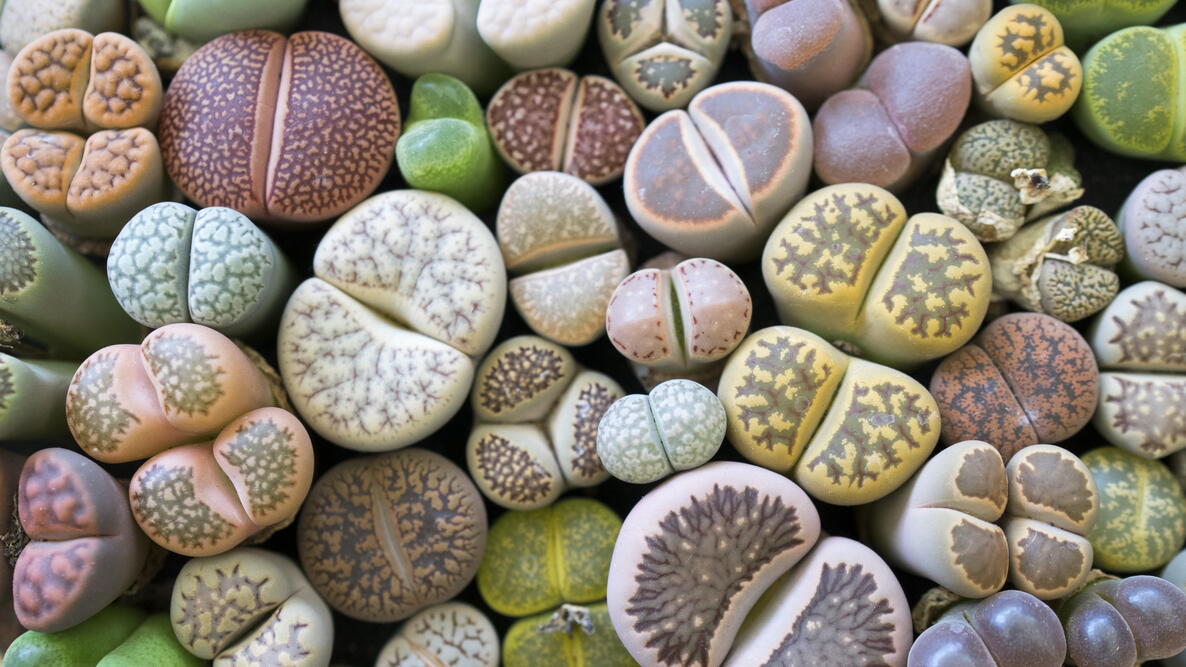

We’ve gathered a list of five unique houseplants you’ll love to look at—plants that add a fun, quirky vibe to your home while still being easy to find and care for. But don’t worry: While they may look rare, these unusual plants are available at most nurseries and plant shops.
When I was growing up, my grandmother had an army of African violets growing in the window on the stair landing. To this day, whenever I see fuzzy-leafed purple blooms, I think of my Nana. My friends’ grandparents had snake plants, begonias, and (of course) plenty of spider plants cascading from pots suspended in macrame hangers. I’m sure you can think of plants that your grandmother enjoyed!
While all of these plants have never really gone out of style, sometimes you just want to grow something new-to-you and, well, different! That’s where we come in. What do you think of these five houseplants?
| Plant Name | Light Needs | Water Needs | Size | Pet/Kid Safe | Difficulty |
|---|---|---|---|---|---|
| String of Watermelons | Bright, direct light | Low | 1–2 ft trailing | ❌ No | Easy |
| Living Stones (Lithops) | Bright, direct light | Very low | 1–3 in | ✅ Yes | Easy |
| Coffee Plant | Bright, indirect light | Moderate | Up to 6 ft | ❌ No | Moderate |
| Raven ZZ Plant | Low to bright, indirect | Low | Up to 4 ft | ❌ No | Easy |
| Foxtail Fern | Bright, indirect light | Low–moderate | 2–3 ft | ⚠️ Mildly toxic | Easy |
String of Watermelons (Curio herreanus)
One look at this distinctive trailing succulent, and you’ll know how it got its name. Also called string of tears, string of raindrops, and string of beads, string of watermelon produces succulent leaves that look like a necklace of tiny green fruits with faint, melon-esque stripes. This plant is fast-growing and easy to care for, but don’t hesitate to prune it if it starts looking a little wild.
- Size: Stems grow to be 1 to 2 feet long.
- Soil: Choose a well-draining potting mix—one formulated especially for succulents works best.
- Light: You might be tempted to put this plant on a shelf to let it spill down, but it needs at least 6 hours of full, bright sunlight—otherwise, it’ll start to look leggy.
- Water: Like other succulents, string of watermelons stores water in its leaves, so you don’t want to be over-eager with the moisture. Wait until the top inch of soil is dry before watering (stick your finger in to check).
- Okay for kids/pets? This plant is mildly toxic, so keep it out of reach by hanging it high in a sunny window and letting it cascade over the sides of the pot.

Living Stones (Lithops)
These delightful, kid-friendly plants look like the kinds of small, colorful rocks you pick up and bring home in your pocket. Originally from Africa, they love warmth and sunlight, so make sure you place them far away from drafts or the AC. And really, what you see is what you get: Living stones grow very slowly and stay low to the ground. Plant several that catch your eye in a pot together—they’ll last for many years if given good care.
- Size: 1 inch tall and 1 to 3 inches wide
- Soil: These are drought-tolerant little plants—the best choice is fast-draining soil formulated for cactuses.
- Light: Give living stones at least 6 hours of bright, direct sunlight every day.
- Water: These delightful little plants can live without water for a while. Moisten the soil lightly during spring and fall, while they’re growing, but skip the watering during dormant times (summer and winter).
- Okay for kids/pets? Yes! Living stones are nontoxic.

Coffee Plant (Coffea arabica)
Yes, this is THE coffee plant, the kind that produces the beverage that gets you up and going in the morning. It’s beautiful, with lots of shiny green leaves—and that’s a good thing since it will take several years for the plant to begin producing the small, white, aromatic flowers that morph into fruits (called cherries), each containing two perfect coffee beans. In the meantime, this plant is an excellent conversation starter!
- Size: Up to 6 feet tall over several years (though you can prune it to keep it smaller)
- Soil: Coffee plant loves rich, acidic soil, so start with premium potting mix and add—wait for it—coffee grounds every week or so to help lower the pH. Talk about full circle!
- Light: Pick a roomy spot with bright, indirect light for this big plant (think east- or west-facing window).
- Water: Keep the soil around your coffee plant moist but not soggy—and don’t allow it to ever completely dry out.
- Okay for kids/pets? Nope. Aside from the beans, every part of this plant is toxic if nibbled on.

Raven ZZ Plant (Zamioculcas zamiifolia ‘Raven’)
Also known as the black ZZ plant, this elegant, sophisticated plant boasts bright, lime-green leaves that turn inky purple-black as they mature. It’s stunning, providing an air of mystery and a wonderful contrast to the other plants in your home. Bonus: Raven ZZ isn’t terribly picky about light, so you can grow it almost anywhere—though it is tropical, so avoid drafty spots.
- Size: Up to 4 feet tall and 3 feet wide (eventually—it grows slowly)
- Soil: Be sure to use well-draining potting mix in a pot with ample drainage holes—Raven ZZ plant does not like wet feet!
- Light: While this plant can tolerate almost any level of light (including low light), it will grow best with plenty of indirect sunlight.
- Water: Be sure to allow the soil to dry out completely between waterings.
- Okay for kids/pets? No, this plant is toxic to both if eaten.
See more houseplants for low light.

Spooky black-leaved plant! Credit:Andriana Syvanych
Foxtail Fern (Asparagus densiflorus)
Sometimes called an asparagus fern, the foxtail fern almost begs to be touched, with soft, feathery stems covered with needle-like leaves. The stems are bushy, too, just like foxtails! This eye-catching plant may look delicate, with its tiny white flowers and red berries, but it’s actually quite resilient. Fun fact: It’s not really a fern—it’s a member of the asparagus family.
- Size: 2 to 3 feet tall and wide
- Soil: Be sure to choose a pot with ample drainage holes and use a well-draining potting mix.
- Light: Foxtail fern prefers bright, indirect sunlight, and its leaves may burn if it receives strong, direct rays. Put it in an east- or west-facing window if you can, or set it back a ways from one that’s south-facing.
- Water: This is a drought-tolerant plant, so if you forget to water every now and again, it will likely be just fine. Hold off on watering until the top 2 to 3 inches of soil are dry.
- Okay for kids/pets? Foxtail fern is mildly toxic to pets and kids if eaten, so keep it out of reach.

Frequently Asked Questions
What are unique houseplants?
Unique houseplants are indoor plants with unusual shapes, colors, textures, or growth habits that set them apart from more traditional houseplants like pothos or spider plants.
Are unusual houseplants hard to care for?
Not at all! Many unusual houseplants—like Raven ZZ plants and living stones—are actually beginner-friendly and require minimal watering and maintenance.
Where can I buy unique houseplants?
Most of these plants are available at local nurseries, garden centers, and plant shops. Some can also be found online through reputable plant retailers.
Are these houseplants safe for pets and kids?
Some are, some aren’t. Living stones are nontoxic, while plants like coffee plant and Raven ZZ are toxic if ingested. Always check plant safety before bringing a new one home.
Which unique houseplant is best for low light?
The Raven ZZ plant is one of the best unusual houseplants for low-light conditions, making it perfect for offices or rooms without much natural sunlight.
Which plant is best for beginners?
Living stones and Raven ZZ plants are excellent choices for beginners because they require little watering and tolerate a range of conditions.
Do unique houseplants grow quickly?
Growth rates vary. String of watermelons grows quickly, while living stones grow very slowly. Coffee plants take years to flower and fruit.
Every one of these out-of-the-ordinary houseplants is pretty much guaranteed to add visual interest to your space and cause you to feel a smidge of delight every time you look at it. Now, that’s something even my Nana could get behind.
Looking for more offbeat plants? Find a list of rare plants that are unusual and our article on 3 Carnivorous Plants to Grow as Houseplants—but don’t worry, they won’t bite!

More Like This



Comments