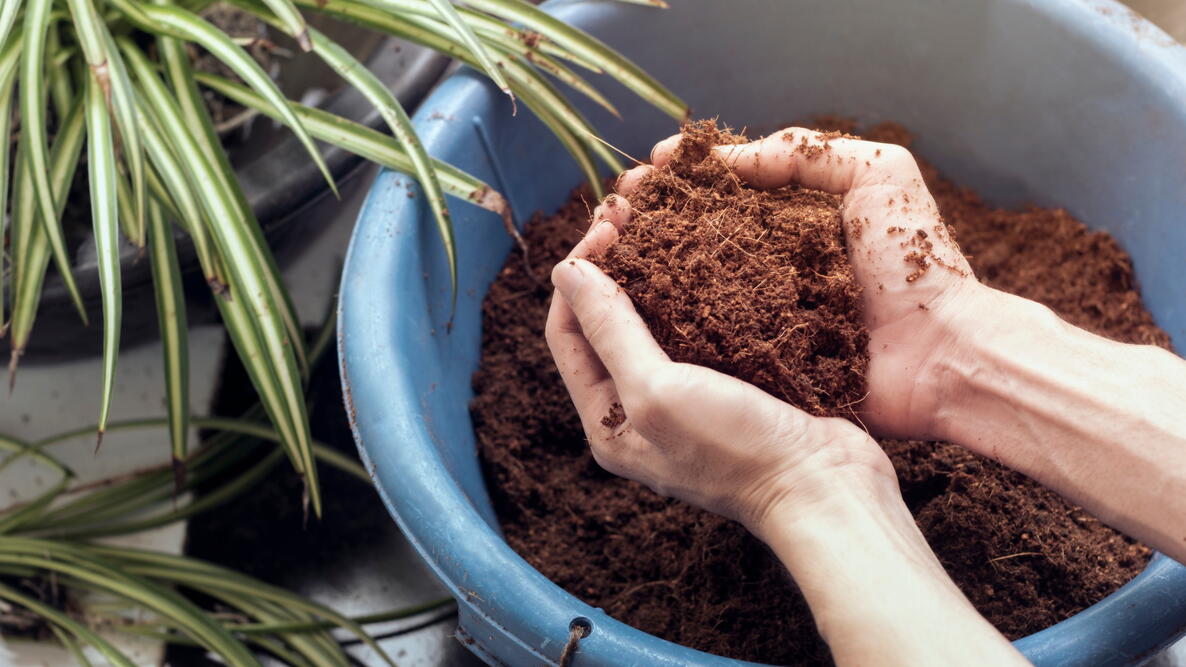
Coco coir may sound like a trendy drink, but coco coir for gardening is one of the most effective and sustainable soil amendments available. Made from coconut husks, coco coir improves water retention, aeration, and soil health while resisting pests and disease. Learn more about coconut coir and how to use it in your garden properly.
What Is Coco Coir Used For? Coco coir is used to improve soil structure, increase moisture retention, enhance aeration, and serve as a sustainable alternative to peat moss in gardens, containers, and hydroponic systems.
What is Coco Coir?
Coco coir is made from coconut husks. Once considered trash, these husks are used to make rope, rugs, doormats, brushes, and upholstery stuffing.
Coconut palms are grown throughout the tropics, and they can be harvested every 45 days, making them an abundant renewable resource. After being soaked, dried, aged, and shredded, the fibers are ready for use in your garden in several ways.

Types of Coco Coir
There are three types of coco coir:
Coir Pith (Coir Peat)
Coir pith, also called coir peat or fiber dust, is finely ground-up pieces of coconut husk. It looks and feels just like peat moss and, with a few exceptions, can be used in much the same way in your garden. Hydroponic growers have used it for years to support their plants instead of soil.
Coir Chips
Coir chips are large chunks of husk often found in potting mixes for bromeliads and orchids. The chips retain water while creating air pockets for the plants‘ roots. Coir also makes an excellent mulch.
Fiber Coir
Fiber coir is made from long strands of coco fiber that can be formed into basket liners and molded into biodegradable pots.

Brown fiber is the type of coir most often seen, especially for horticultural use. It’s made from mature coconuts. The thick fibers that cover the outside of the coconut shell contain high amounts of lignin, making them stronger than other natural fibers, such as flax and cotton, but since coir fibers have less cellulose, they are not as flexible.

Benefits of Coco Coir
Here are seven (of many) benefits of using coco coir.
- As repurposed waste from the coconut industry, it is 100% biodegradable.
- It’s easier to get wet than peat and holds 30% more moisture.
- Unlike acidic peat moss, coco coir is pH neutral, so no lime is needed to sweeten the soil it is added to.
- It is slow to decompose and is rot-resistant.
- Most garden pests shun it.
- It is disease- and weed-free.
- Even though it retains moisture, it drains well, is fluffy, aerates the soil, and doesn’t compact.
How to Use Coco Coir in the Garden
When shopping for coco coir, it can be found ready-to-use in bags or compressed into bricks that need to be rehydrated before use. Look for chemical-free coir that has been aged, dried, and flushed of salts. Many companies offer OMRI-listed products that are perfect for your organic garden.

Rehydrating Coco Coir Bricks
- Place bricks in a large, wide container and add warm water a little at a time.
- As they soak it up, break the bricks apart to expose more of the dry centers until all of the water has been absorbed.
- Eventually, they should expand to about six times their volume. Don’t overdo the water, or you’ll end up with a soupy mess!
- Fluff it up, and it’s ready to use.
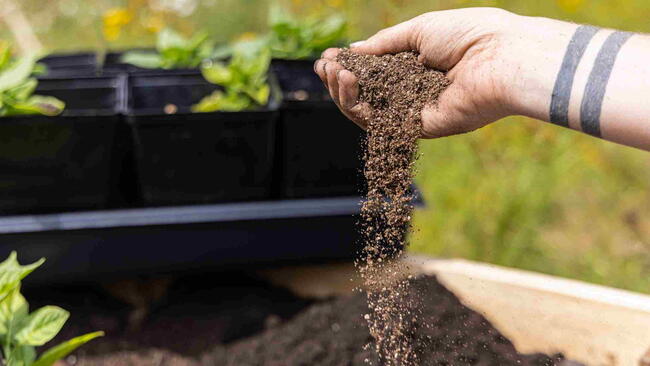
Coco coir is a great soil conditioner. Dig it into clay soil to improve drainage or in sandy soil to aid moisture retention.
It’s still a bit more expensive than peat—but a more sustainable, environmentally friendly (and more effective) alternative to peat moss. Give it a try! You may find that this excellent amendment works better and is worth the extra cost.
Using Coco Coir in Containers
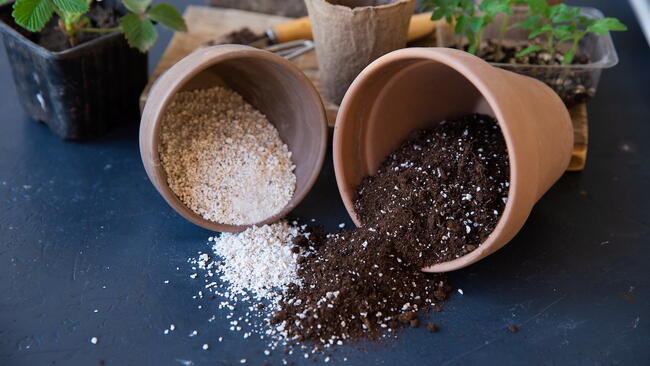
If you are potting up large containers that constantly dry out, adding coco coir to the potting mix will help retain moisture. The bits of fiber are like little sponges.
Coco chips hold even more moisture, so add a large handful to the bottom of a container to prevent it from drying out too fast while allowing it to drain properly and not get waterlogged.
Coco Coir as Mulch
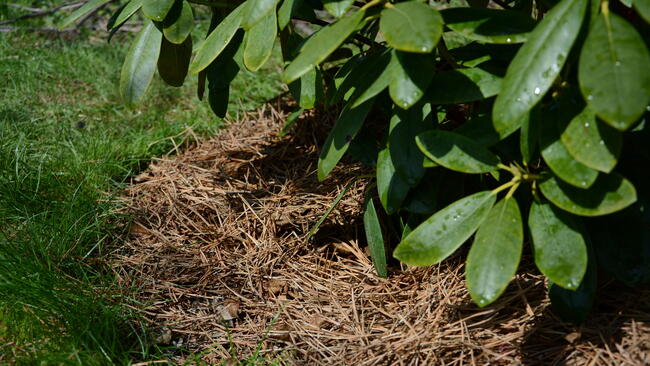
Coco chips also make a great mulch, keeping the soil moist and protecting it from the sun’s radiation. Unlike bark mulch, coco chips don’t scatter, so they don’t require reapplication.

I have seen coco coir being used on a large scale. In my area a local farmer has been growing her tomatoes, peppers, eggplant, and basil hydroponically in grow bags filled with coco fiber dust in her high tunnels. She has no problems with disease, the yields are great, and the fruits are delicious!
The Difference Between Coco Coir and Peat Moss
| Feature | Coco Coir | Peat Moss |
|---|---|---|
| Source | Coconut husks (renewable) | Sphagnum moss from bogs (nonrenewable) |
| pH | Neutral (5.5–6.5) | Acidic (3.5–4.5), may need lime |
| Water Retention | Holds 30% more water than peat | Holds water well but can dry out |
| Aeration | Fluffy, drains well, prevents compaction | Can compact, less aeration |
| Decomposition | Slow, long-lasting | Slow, but can acidify soil over time |
| Pest Resistance | Naturally pest-resistant | Can harbor pathogens and weed seeds |
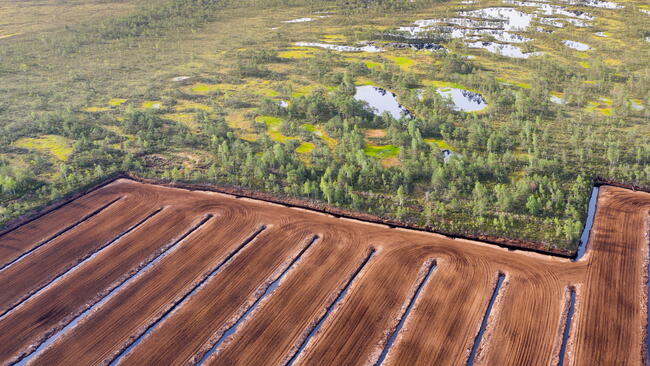
| Environmental Impact | Sustainable, biodegradable | Harvesting damages bog ecosystems |
| Best Use | Soil amendment, container plants, hydroponics, mulch | Soil amendment, potting mixes, mulches |
| Cost | Slightly more expensive | Usually cheaper but less sustainable |
| Availability | Widely available in bricks, bags, and fiber | Widely available but limited by peat bogs |
Frequently Asked Questions
Is coco coir better than peat moss?
Coco coir is often considered a more sustainable alternative to peat moss. It is renewable, pH neutral, holds more water, and does not break down as quickly as peat.
How do you use coco coir in the garden?
Coco coir can be mixed into garden soil, added to potting mixes, used as mulch, or incorporated into hydroponic systems to support plant roots.
Does coco coir need to be rinsed before use?
Quality coco coir is usually prewashed and flushed of salts. However, if the packaging does not specify this, rinsing the coir before use is recommended.
Can coco coir be used in containers?
Yes. Coco coir is excellent for containers because it helps retain moisture while still allowing excess water to drain, preventing compacted soil.
Is coco coir good for indoor plants?
Coco coir works well for indoor plants when mixed with potting soil or other amendments. It improves water retention and root aeration.
Does coco coir attract pests?
No. Coco coir is naturally resistant to most garden pests and does not attract insects the way some organic mulches can.
How long does coco coir last in soil?
Coco coir decomposes slowly and can last several years in soil while continuing to improve structure and drainage.
Coco coir is a versatile, sustainable, and highly effective soil amendment that can improve water retention, aeration, and overall plant health. Whether you’re using it in garden beds, container plants, hydroponic systems, or as a mulch, coco coir offers a practical alternative to peat moss while being environmentally friendly and pest-resistant.
Have you used coco coir in your garden or containers? Share your experiences and tips in the comments below!
More Like This


Comments