
Early spring bulbs are a welcome sign that winter is loosening its grip. Some of the earliest bloomers push through snow in February and March, offering much-needed color for gardeners and vital nectar and pollen for emerging bees. These tough, cold-tolerant flowers are easy to grow, deer-resistant, and perfect for naturalizing under trees, along walkways, or in garden beds. If you’re eager to jump-start your spring garden, these early spring flowers are among the first—and most rewarding—to appear.
Our Favorite Early Spring Bulbs
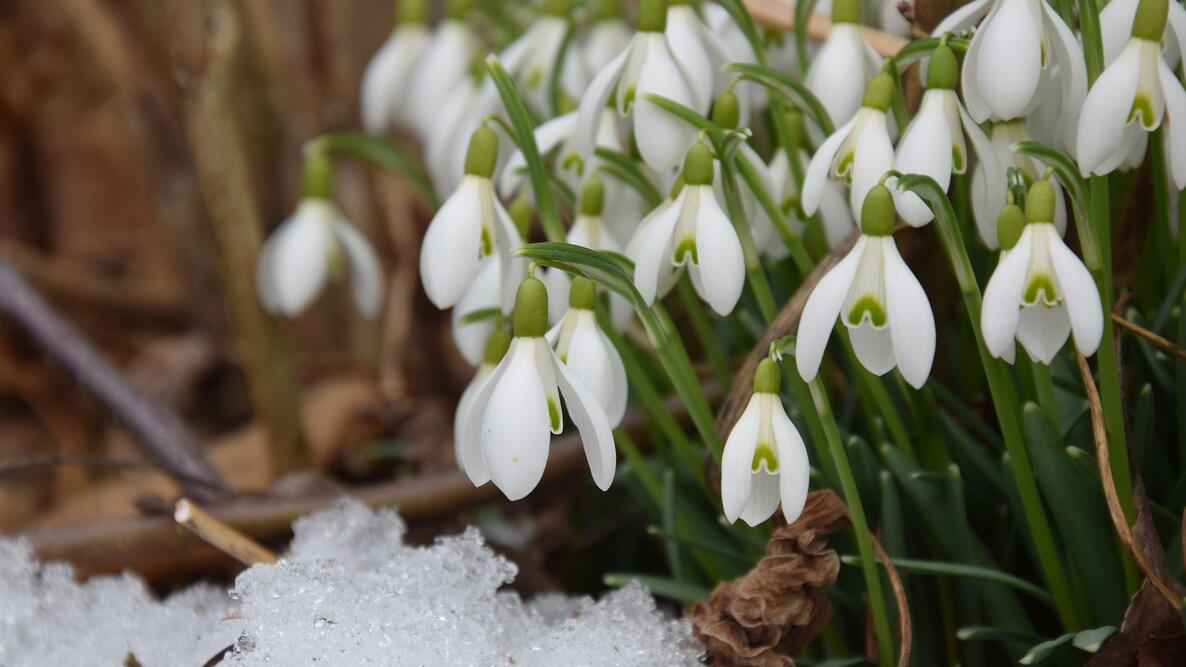
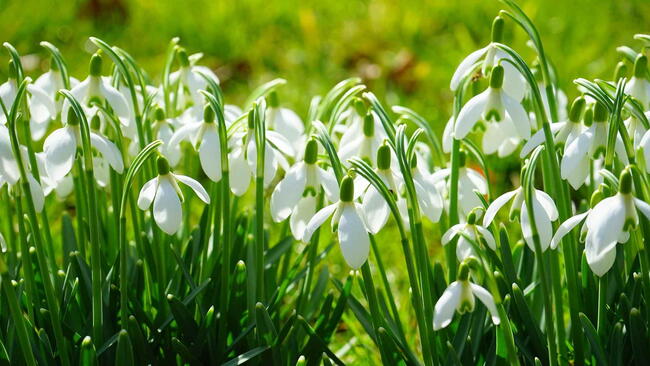
Snowdrops (Galanthus)
- Blooms: Late winter to very early spring
- Height: 6 inches
- Light: Sun to part shade
- Deer & rodent resistant
- Naturalizes well under deciduous trees
January’s birth flower, snowdrops, are the first to appear in my yard, even though they have to push the top crust of snow up and away as they reach for the late winter sunshine.

Their nodding white bells look dainty, but they are tough plants, and deer and rodents are not attracted to them. Growing only about 6 inches tall, they can be planted under deciduous trees where they will get spring sunshine and summer shade.
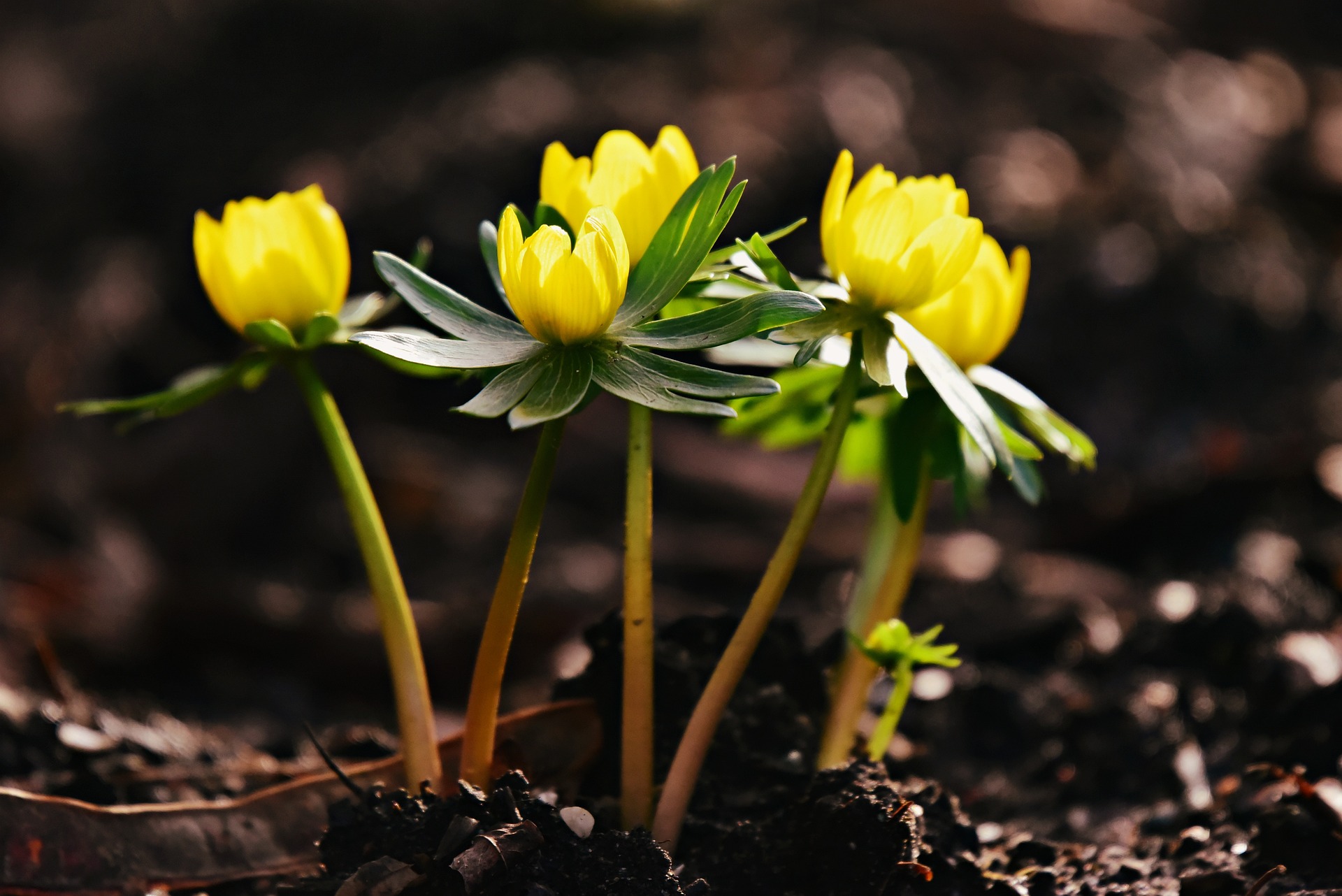
Winter Aconite (Eranthus)
- Blooms: Late winter
- Height: 3–4 inches
- Light: Sun to part shade
- Bright yellow flowers attract early pollinators
- Deer- and rodent-resistant
This tiny wonder goes by the colorful name Winter Wolf’s Bane. Only 3 to 4 inches tall, the sunny yellow, open cup-like flowers—related to buttercups—sit atop a frilly collar of green leaves. Deer- and rodent-resistant, it can be planted under deciduous trees.
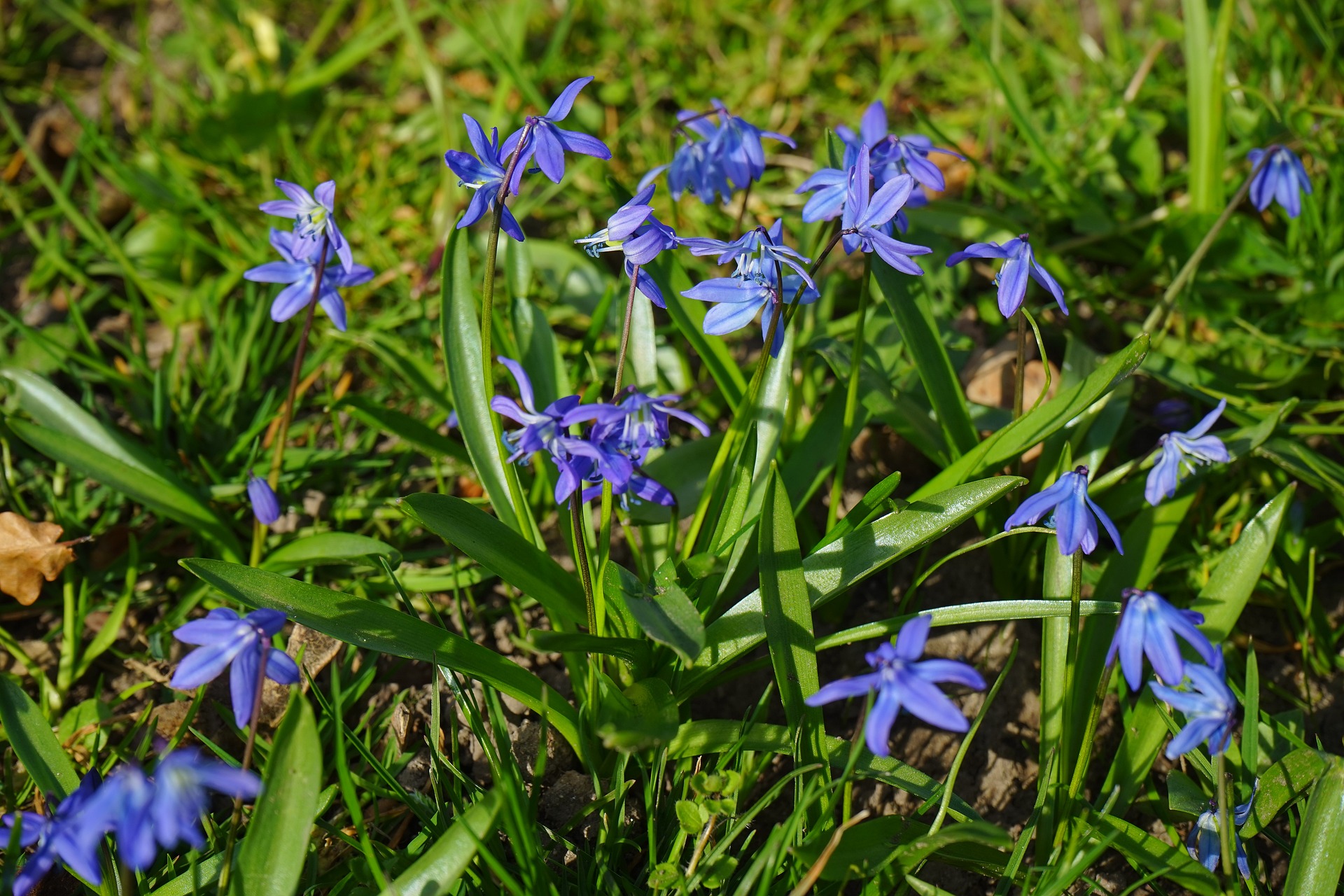
Siberian Squill (Scilla sibirica)
- Blooms: Early spring
- Height: About 6 inches
- Light: Sun or part shade
- Spreads readily by seed and offsets
- Excellent for lawns and woodland edges
Producing clusters of long-lasting, iridescent blue, star-shaped flowers, Siberian squill grows about 6 inches tall. If happy, it will spread, so plant the bulb where it can take over a patch of lawn or form a carpet of blue under a tree or spring-blooming shrub. It does well in sun or part shade and multiplies by seed and offsets.
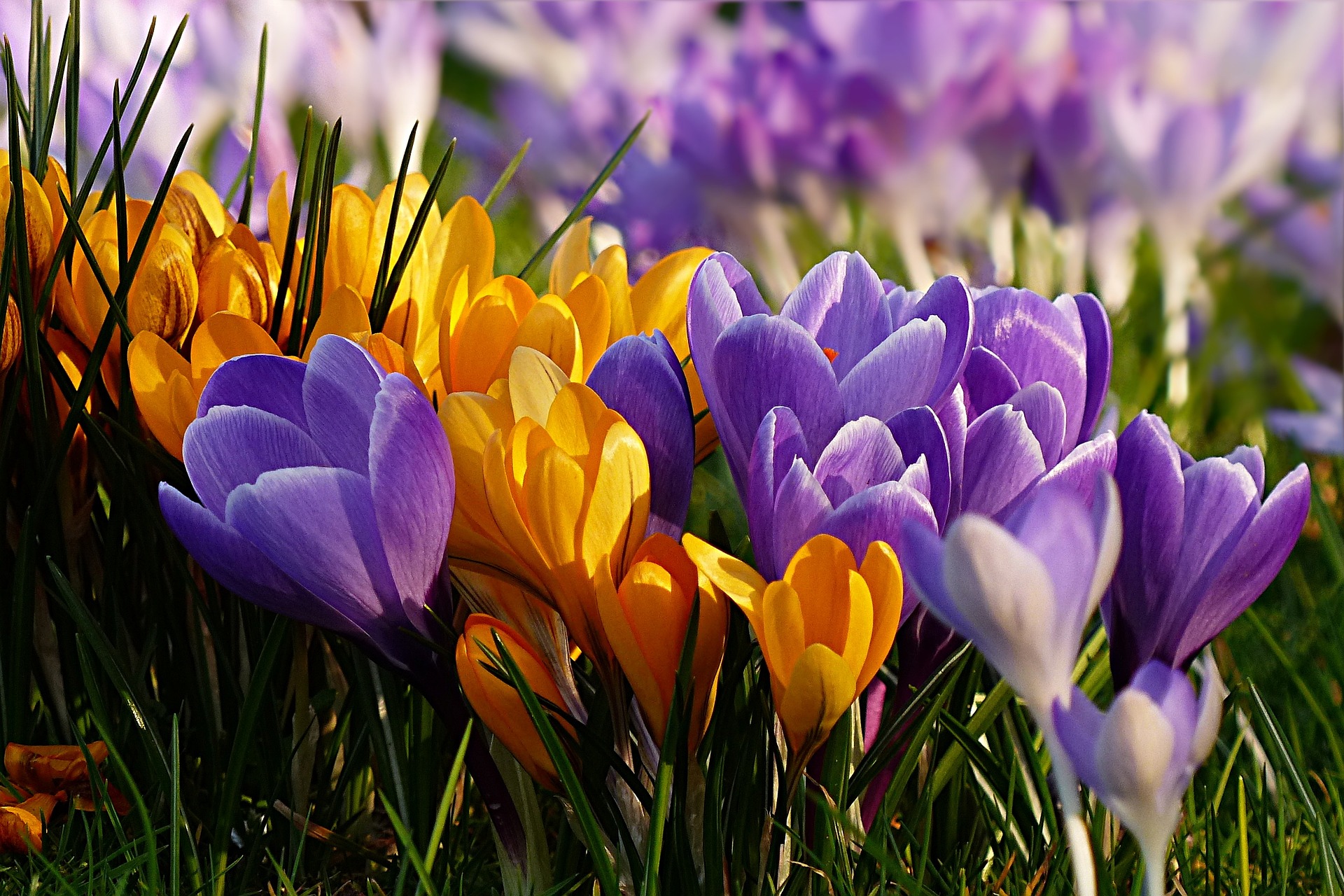
Snow Crocuses (Crocus chrysanthus / C. tommasinianus)
- Blooms: Late winter to early spring
- Height: 4–6 inches
- Light: Full sun to part shade
- Wide range of colors
- “Tommies“ are more rodent-resistant
The snow crocuses emerge earlier than the Dutch giants; most of mine are between 4 and 6 inches tall and offer an array of colors to the bleak landscape, ranging from yellow and white to lilac and deep purple. If rodents have eaten your crocus bulbs in the past, try the “Tommies” (C. tommasinianus). Bulb-chewing critters seem to avoid this species. See the Almanac‘s guide to Growing Crocuses for more varieties as well as planting information.
Glory of the Snow (Chionodoxa)
- Blooms: Very early spring
- Height: 6–8 inches
- Light: Sun to part shade
- Blue, pink, or white star-shaped flowers
- Naturalizes easily and resists deer and rabbits
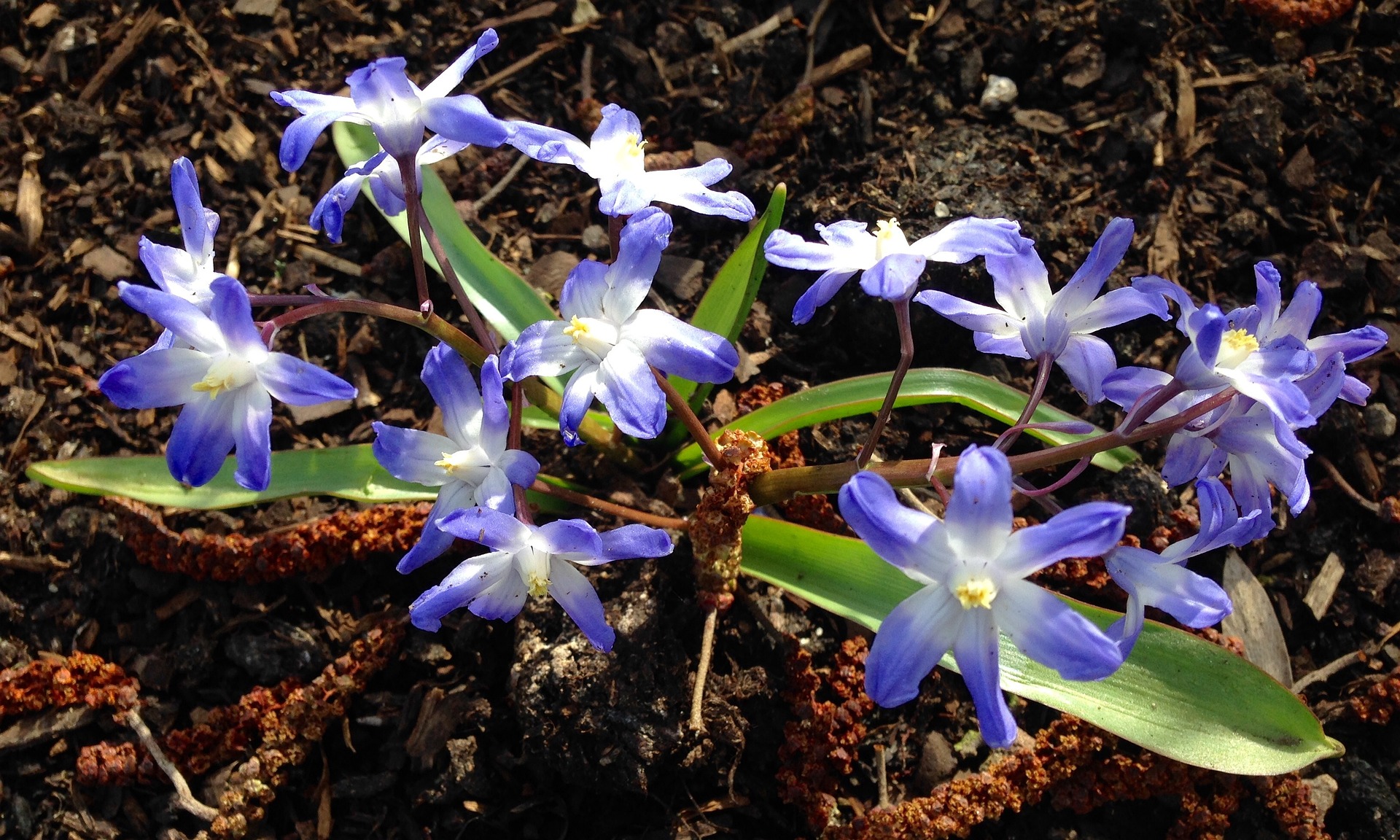
Growing 6 to 8 inches high, Glory of the Snow lives up to its name, often appearing while the snow is still on the ground. The blue and white star-shaped blossoms bring the colors of the sky down to earth, but there are also white and pink varieties. They naturalize well and make a good ground cover in the sun or part shade. Deer, rodents, and rabbits will not bother them.
Miniature Iris (Iris reticulata)
- Blooms: Late winter to early spring
- Height: 4 inches
- Light: Full sun to part shade
- Fragrant blue-purple flowers with yellow markings
- Excellent for rock gardens and paths
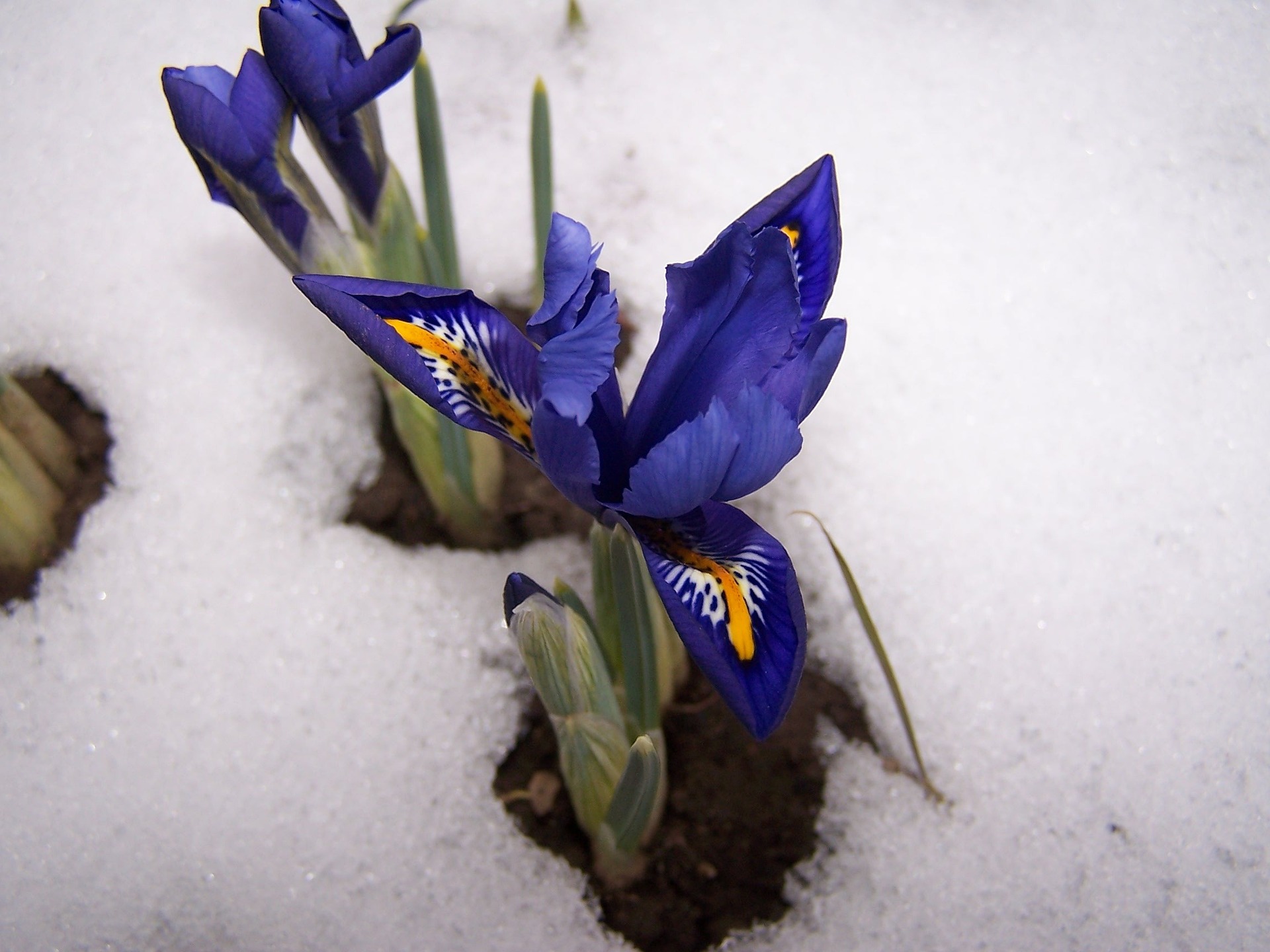
These sweet miniature irises appear long before their taller cousins. Growing only about 4 inches tall, they are deep blue with yellow and white landing pads for bees well marked on their lower petals. Carefree colonizers will multiply rapidly and naturalize under trees. Excellent for rock gardens or along a well-used path, you can enjoy them, but the deer will just pass by.
Wild Tulips (Botanical Tulips)
- Blooms: Early spring
- Height: 3–8 inches
- Light: Full sun
- More deer-resistant than large hybrid tulips
- Prefer well-drained soil and dry summers
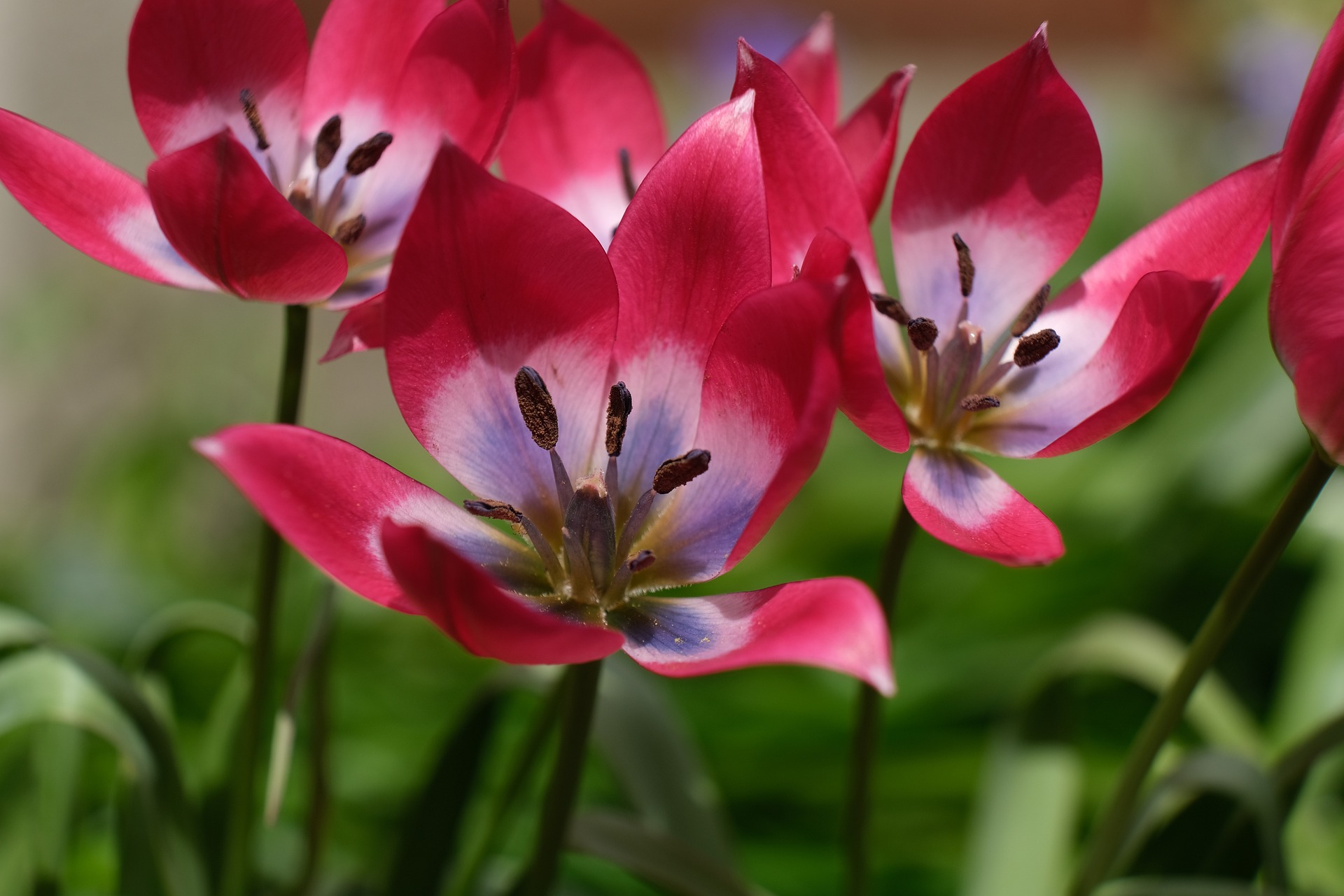
Growing only about 3 to 8 inches tall, wild tulips are worth a try if you have trouble with deer eating your tall Dutch hybrids. There are about 25 to 30 varieties, so look for the earliest bloomers in a mix of colors. They are fragrant, and some stalks will bear more than 1 flower. If they are happy in their location, they will naturalize and spread after a few years. Like daffodils, they dislike wet soil and prefer a sunny spot in summer.
Early Daffodils (Narcissus)
- Blooms: Early to mid-spring
- Height: 6–12 inches (miniature varieties shorter)
- Light: Full sun to part shade
- Completely deer- and rodent-proof
- Long-lived and reliable perennial bulbs
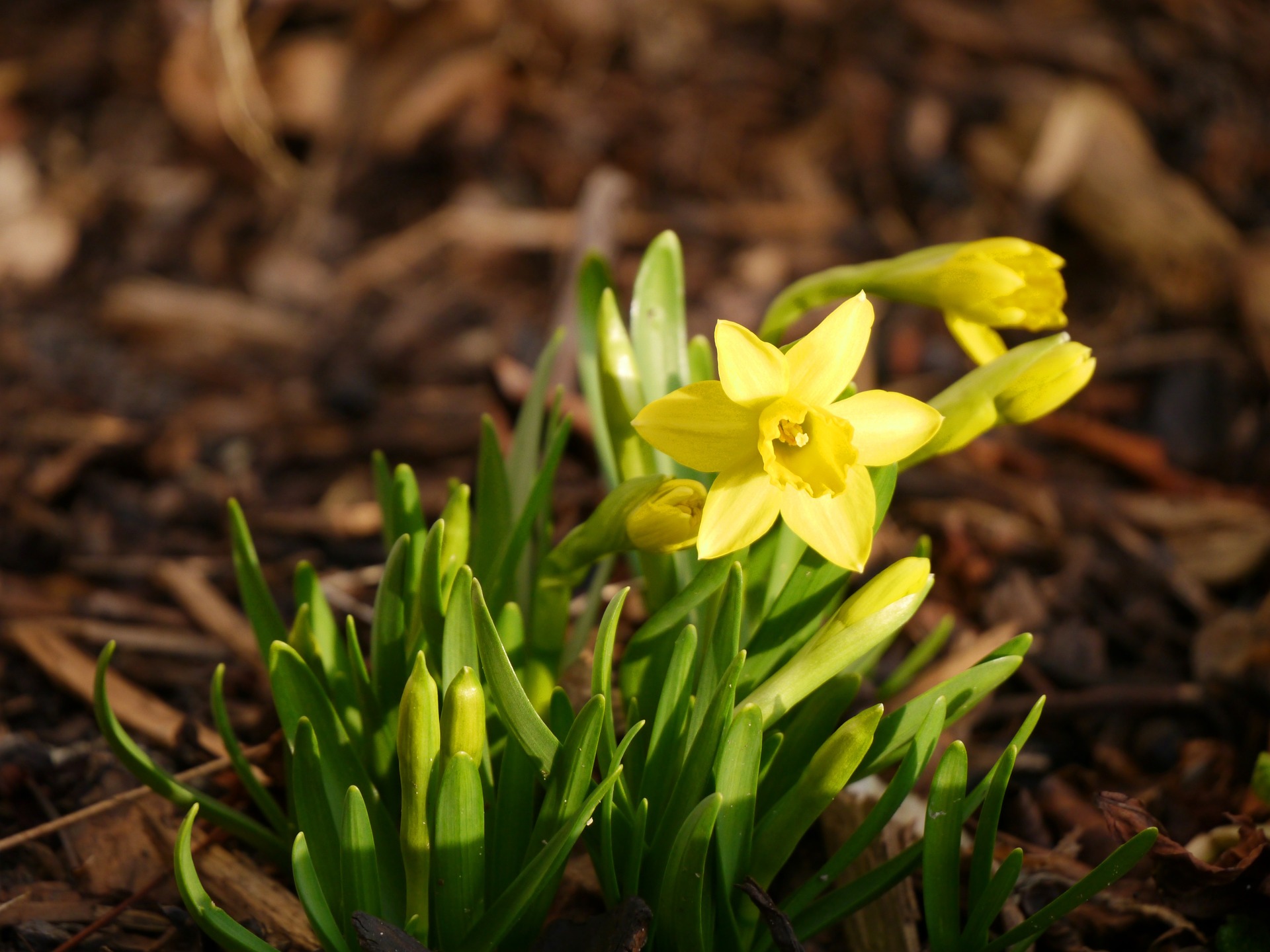
Among the earliest blooming daffodils are mini-daffs ‘Tete a Tete’, which are only about 6 to 8 inches tall but bear 2 blossoms per stem. The mid-sized ‘Jet Fire’ is 8–12 inches tall and has reflexed yellow petals with orange cups. Double-flowering ‘Queen’s Day’ is named for a Dutch holiday that occurs on April 30—will yours bloom on time? All daffodils are a staple of the spring bulb world since no critter eats any part of them—aboveground or belowground. See the Almanac‘s guide on Growing Daffodils.
How to Plant Early Spring Bulbs
If you like the idea of early spring bulbs, you’ll need to plant them in the autumn. See our guide to spring-flowering bulbs.
Many of these early bulbs are small and easy to plant. They spread not only by offsets formed on the bulbs but also by seed, so do not deadhead them. Small flowering bulbs benefit from planting in masses to create much-needed pools of color for your winter-weary eyes.
Many of these bulbs are great for naturalizing!
Early emerging bees and other pollinators will welcome the pollen and nectar they provide!
Frequently Asked Questions
What flowers bloom in February and March?
Snowdrops, winter aconite, crocuses, glory of the snow, Siberian squill, miniature irises, early tulips, and early daffodils commonly bloom in February and March, depending on the climate.
What are the earliest spring bulbs?
Snowdrops and winter aconite are often the very first bulbs to bloom, sometimes flowering while snow is still on the ground.
Are early spring bulbs good for pollinators?
Yes. Early spring bulbs provide essential nectar and pollen for bees and other pollinators emerging from winter dormancy.
Do deer and rodents eat early spring bulbs?
Many early spring bulbs, including snowdrops, daffodils, winter aconite, and miniature irises, are naturally deer- and rodent-resistant.
When should early spring bulbs be planted?
Early spring bulbs should be planted in the fall so they can establish roots before winter and bloom as soon as conditions allow.
When winter still has a firm grip, early-blooming bulbs offer a hopeful preview of spring. From snowdrops pushing through ice to crocuses and miniature irises lighting up bare ground, these tough little plants bring color, fragrance, and life to the late-winter garden. Even better, they provide essential nectar and pollen for bees emerging on the first mild days of the year. Planting these bulbs in fall ensures a dependable, low-maintenance display that returns year after year—proving that spring often arrives sooner than we expect.
More Like This

Comments