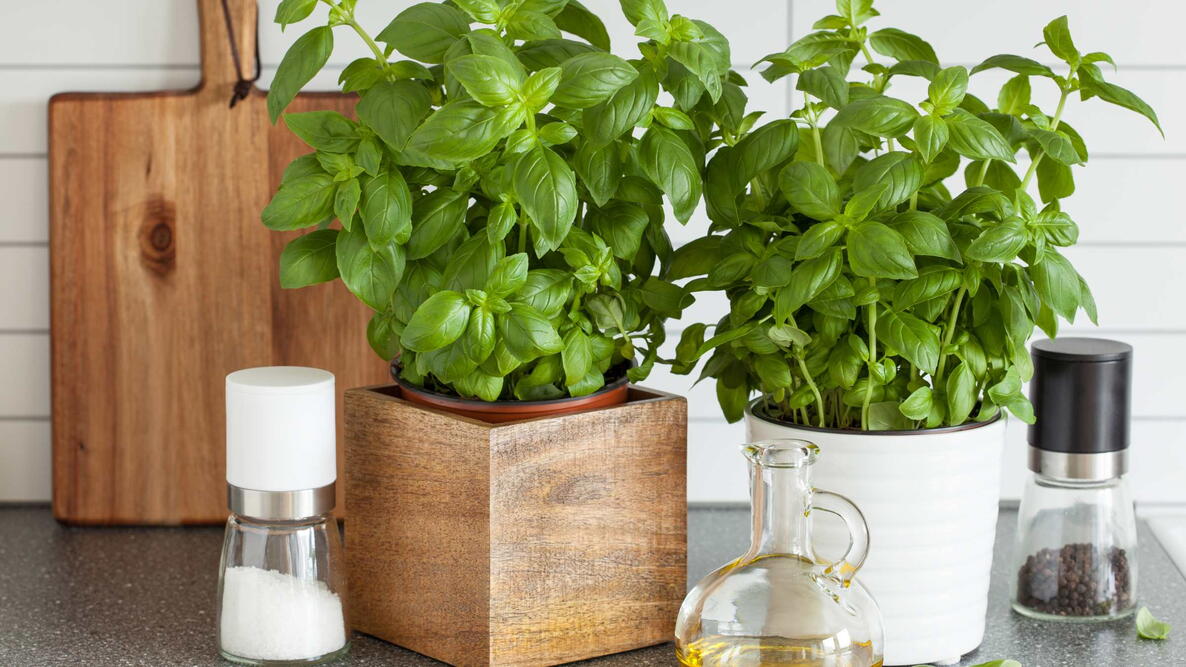

Who says the summer herb party has to end when the first frost hits? With a little TLC, you can keep your basil thriving indoors and enjoy fresh, fragrant leaves for pesto, pasta, and salads all winter long. In this guide, we’ll show you how to bring your basil inside, keep it happy, and even propagate cuttings so the taste of summer never leaves your kitchen.
To make sure we had enough basil, I planted a few containers near the kitchen door. One of these is still going strong, so it will come inside for the winter.
Even though basil is an annual and will eventually die, this pot should keep me in fresh basil until some newly planted seedlings pick up the slack. Because, as you may know, life without basil is not worth living!
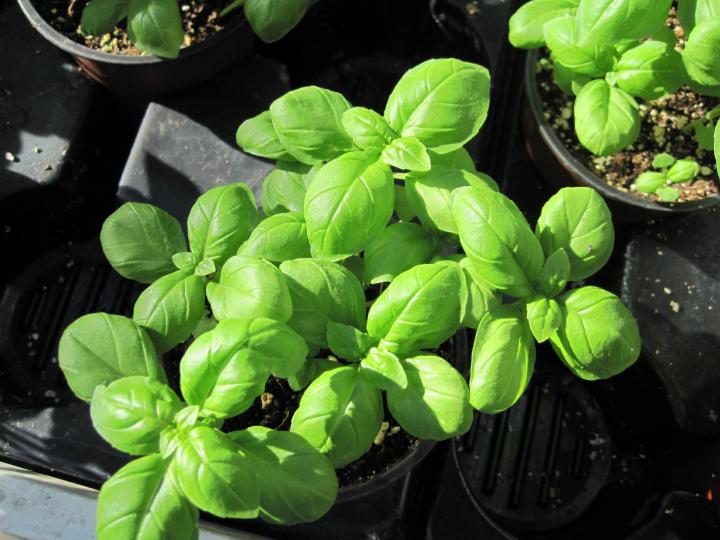
If you are considering wintering over one of your favorite basil plants, here are a few tips!
Light Requirements for Indoor Basil
For the best flavor and good growth, the plants will need 6-8 hours of sunshine a day. If you need to resort to growing lights to provide enough light, you will have to keep them on for 12 hours each day. Invest in a timer.
Temperature Tips
Since basil is a tropical plant native to Central Africa, India, and Southeast Asia, it will need a warm spot to thrive. Try to keep it near 70 degrees and out of cold drafts.
Soil and Fertilizer Guidance
A light, well-draining, compost-based potting soil is my go-to for any container plantings. A compost-based potting soil can keep the plants happy during dark winter days when growth will be slow. If necessary, you can feed them with a half-strength organic fertilizer. Stay away from high-nitrogen fertilizers, though. Your plant will have better flavor if not overfed.
Watering Your Indoor Basil
Keep the soil evenly moist without being soggy. Stick your finger up to the first knuckle to test for dryness. Basil will start to wilt if it doesn’t have enough water. They appreciate some humidity; mist them occasionally to counteract indoor dryness.
Pruning and Harvesting Tips
Clip your plant often to encourage branching. Pinch it at a node where new growth starts, and the plant will become bushy and full. Don’t cut it too far back. It needs some leaves for photosynthesis.
Preventing Flowering for Better Flavor
Don’t let it flower! The flavor becomes somewhat bitter after the plant has started to bloom. As annuals, they will go to seed and die after blossoming.
Inspecting for Bugs Before Bringing Plants Inside
Any plant brought in from outside should be checked for stowaways. Give the top and bottom of the leaves a good spray, and check the pot, especially under the rim, for any insects or eggs.
How to Propagate Basil from Cuttings
A large plant that has been growing in the ground all summer will be hard to bring inside. It will probably resent being crammed into a pot and sulk for a few weeks before dying. Take some cuttings from it instead.
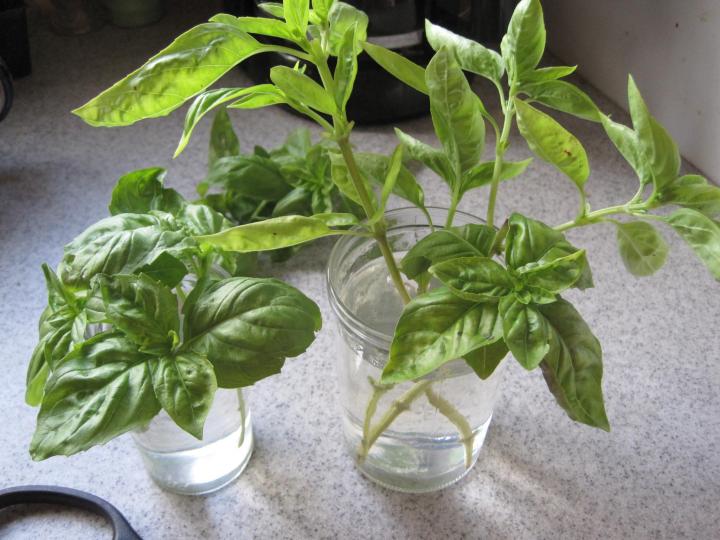
They will root easily in a glass of water and give you healthy new plants to grow on the windowsill.
Keep a taste of summer going all winter long!
More Like This

Comments