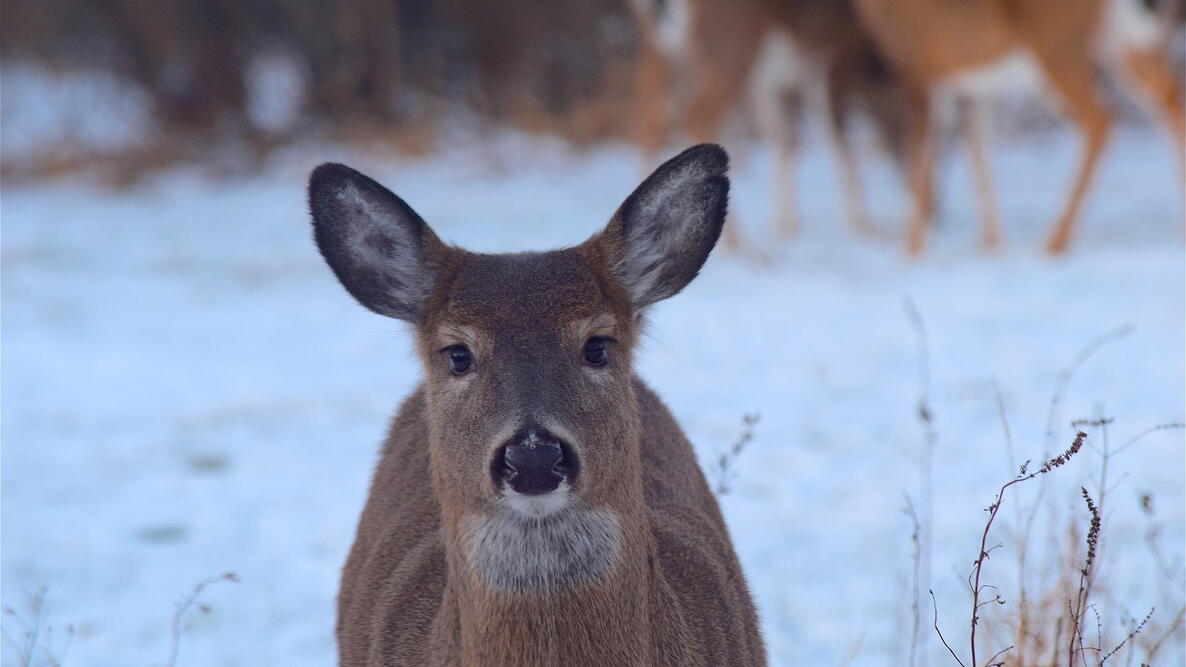
How to Identify Winter Garden Visitors and Coexist With Deer

When there’s snow on the ground, it’s easy to see who has been visiting the garden when we’re not looking. This week, we discovered a number of white-tailed deer. Here are tips for identifying your winter visitors and coexisting with wildlife.
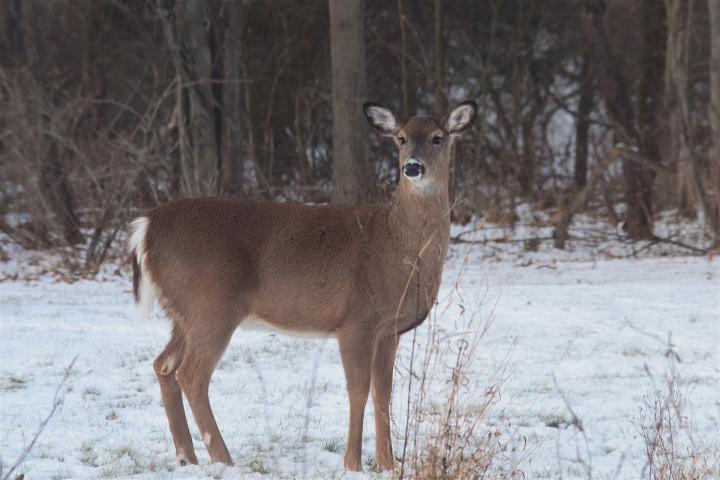
How to Identify Deer Tracks and Signs in Winter
Deer are on the move. The first inkling we had that they were in our yard was when the 7-foot-tall plastic mesh fence surrounding the vegetable garden had been ripped open and one of the thick metal posts holding it had been knocked askew. Only something large, moving at a good clip, could have done that much damage. Deer or maybe a wayward moose; we didn’t know since no tracks could be found.
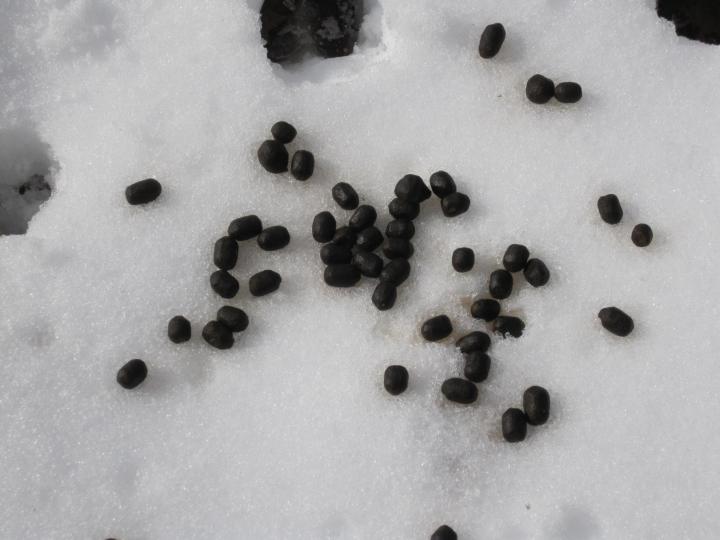
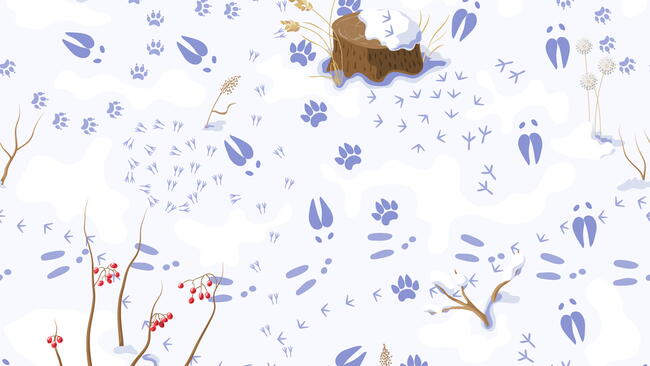
Five inches of snow later and the yard is full of deer tracks, poop, and evidence of munching.
What Deer Eat in Winter Gardens
The deer seem to have dined on a big hydrangea, which is okay by me. It always needs pruning.
Deer will feed on plants at any time during the year, but most damage to ornamental plants occurs during the winter and early spring, when food resources are somewhat limited.
How to Tell Deer Damage From Other Animals
Deer browsing can be easily distinguished from damage caused by rabbits, woodchucks, or squirrels. Since deer lack upper incisors, they gnaw at vegetation when browsing, leaving ragged ends on browsed branches. Rabbits and rodents, on the other hand, make a clean cut.
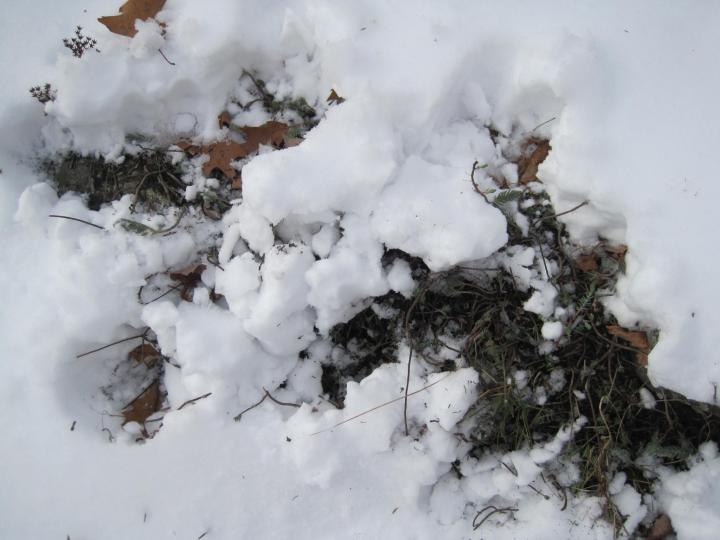
They have dug through the snow to find tender sedum to eat. We have plenty, and they’ll grow back in the spring.
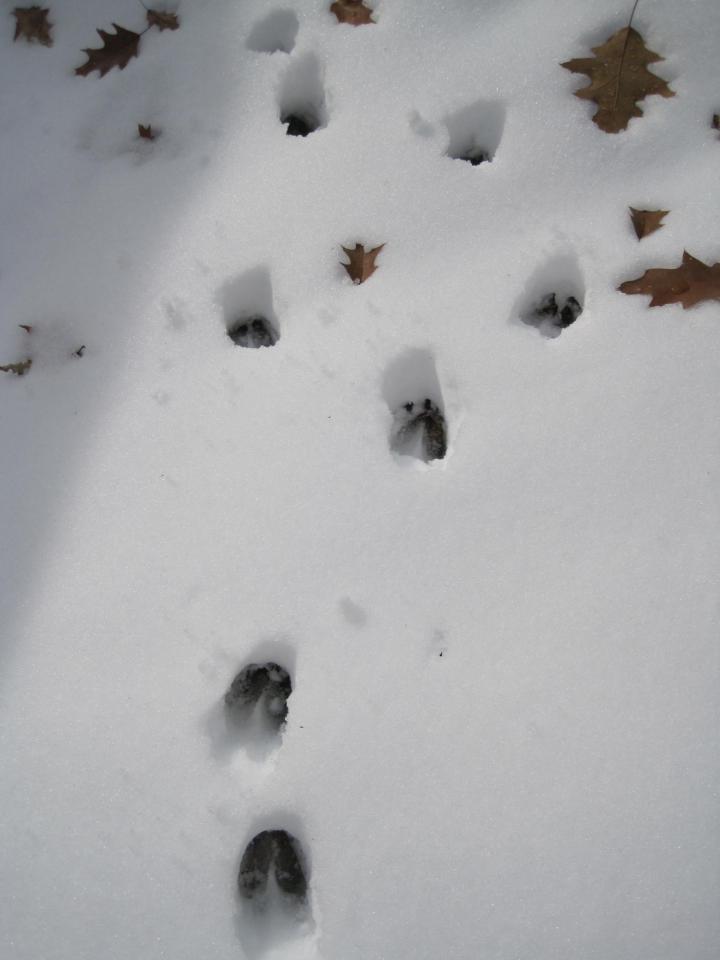
Following the tracks around the yard, we found that three deer had recently bedded down for the night behind the greenhouse. It’s surprising that they feel safe enough to do that so close to our house.
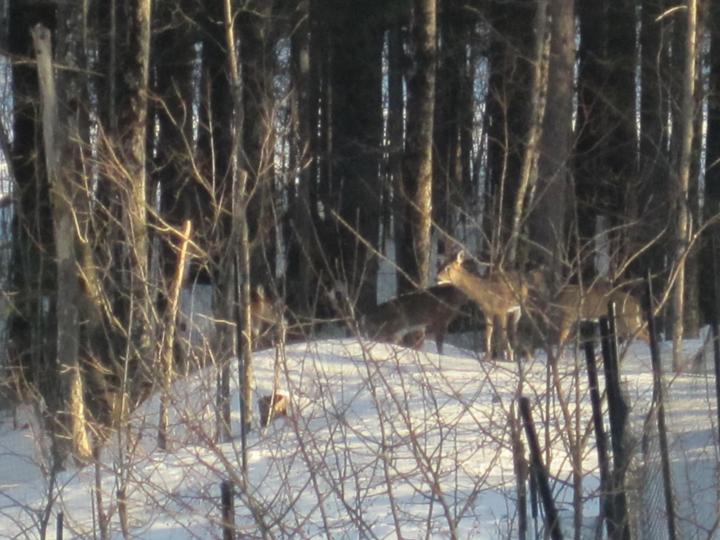
We used to have a large herd of deer that made the hemlock forest down the hill from us their home. Since the hemlock woolly adelgid (an aphid-like pest) has decimated those trees in recent years, the deer have found new spots to call home in the 1,500-acre state forest that abuts our property. A few sections of the forest were logged a few years ago, and have grown up in young trees that the deer find delicious. Part of the management program at the state forest is to provide habitat for deer and other wildlife.
How to Protect Your Garden From Deer
Deer were here long before we moved in, and they will be here after we are gone, so we look for ways to coexist. Deer are creatures of habit. Once they establish a feeding area, it is very difficult to get them to go elsewhere.
- The deer fence helps a lot in the summer, though there is usually enough natural food for them that they rarely bother the plants outside the fence. As I mentioned, we have a plastic mesh fence. This requires tall wooden posts at regular intervals to support the fencing and keep it taut. Since deer are capable of jumping up to 10 feet high, the height of the fence should be at least 7 to 8 feet. The sturdiness of the fence is important since deer can push down a poorly constructed fence.
- Not one to tempt fate or deer, I try to grow the plants they find irresistible—like roses, fruit trees, and beans—inside the fence. It only takes one adventurous doe to decimate a row of soybeans.
- For individual plants or a small group of ornamental plants, you could always place cages of chicken wire or other fencing around plants or wrapping individual plants with burlap is an option for trees.
- There are also safe deer-repellent sprays that make your plants smell bad to deer, so they won’t want to munch on the leaves. Common commercially available repellents use predator urine (often coyote; be sure to check the collection method of the brand that you are considering to make sure that the material is collected humanely). The Connecticut Agricultural Experiment Station found a putrid egg-based deer repellent spray works best.
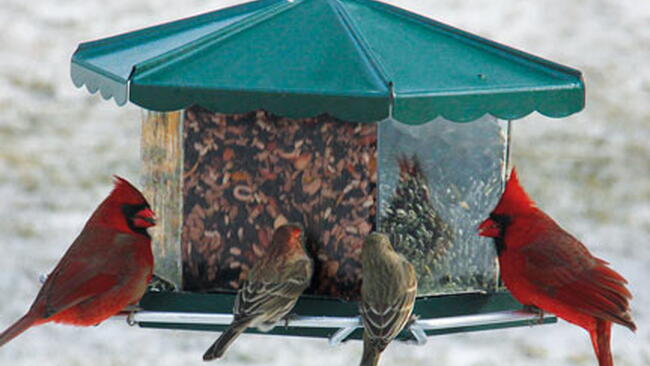
- Finally, remove bird feeders or opt for suet cakes instead of loose seed. Or, if you must use seed, choose thistle seeds, not the corn and sunflower seeds that deer like.
See more tips on deterring deer from the garden.
There are plants deer like more than others. No plant is 100% deer-resistant if winter is severe, but some plants are picked over others. See the most deer-resistant plants.
Living With Deer During Tough Winters
A couple of winters ago, after a few good mast years, when the acorns were so plentiful we had to shovel them up, there were suddenly none. It makes for a rough winter for not only the deer but also the squirrels, chipmunks, bears, and other wildlife that depend on them. Other than the birds, we don’t feed wild animals on purpose, but after cutting back some overgrown shrubs (including our rangy Sargent crabapples), we brought the clippings down the hill away from the house to the brush pile so the deer, birds, and other critters could dine on the tiny apples and twigs.
In many communities, the deer populations have grown exponentially and herds of marauding deer devour everything in sight. Here in my New Hampshire haven, we have tough winters, hunters, and coyotes to keep things under control, as well as 1,500 acres of woodland to give them lots of room to roam. They will still show up in the yard looking for food as things get tough, but it could always be worse.
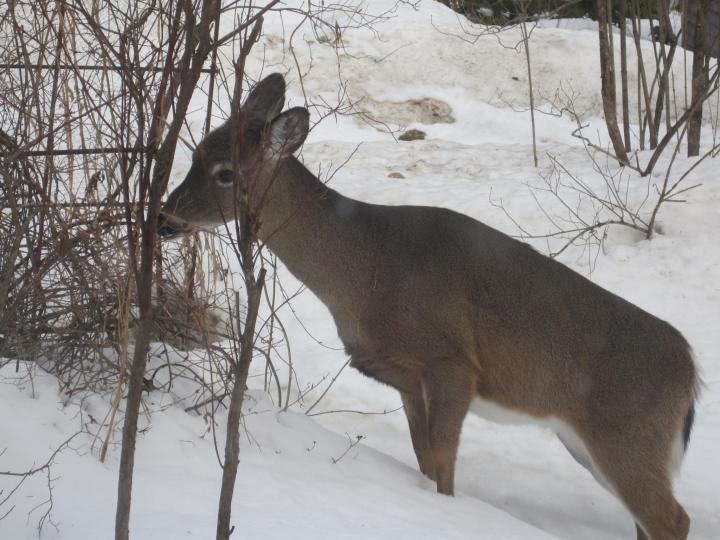
Guess I’ll take a few deer over hungry alligators!
Get outside and look for prints around your garden. You may not have deer, but you’ll find that you have other winter visitors in your yard.
See the Almanac’s Animal Track Identification for common animal prints.
Frequently Asked Questions
How can you tell if deer are visiting your yard in winter?
You can identify deer by heart-shaped tracks in the snow, pellet-shaped droppings, and plants with ragged, torn ends. Deer often paw through snow to reach tender vegetation and may leave flattened bedding areas.
What do deer eat during the winter?
In winter, deer eat woody plants, buds, twigs, bark, dried perennials, and evergreen foliage. When food is scarce, they will dig through snow to reach plants like sedum or browse shrubs such as hydrangea and fruit trees.
How is deer damage different from rabbit or rodent damage?
Deer browsing leaves uneven, ragged plant ends because they lack upper incisors. Rabbits and rodents make clean, sharp cuts on stems and typically feed closer to the ground.
Why do deer come into yards during winter?
Deer enter yards in winter when natural food sources are limited. Gardens often provide shelter, softer vegetation, and protection from predators, making them attractive feeding and resting areas.
What is the best way to keep deer out of a garden?
The most effective deterrent is a sturdy fence at least 7–8 feet tall. For smaller areas, use cages, burlap wraps, or deer-repellent sprays. Removing bird feeders that spill seed can also help reduce visits.
Are there plants that deer won’t eat in winter?
No plant is completely deer-proof during harsh winters, but deer-resistant plants such as lavender, daffodils, ornamental grasses, and some evergreens are less likely to be eaten.
Is it safe to feed deer during winter?
Feeding deer is not recommended. It can disrupt their natural foraging behavior, increase disease risk, and draw deer closer to roads and homes, where injuries are more likely.
Do deer return to the same garden every year?
Yes. Deer are creatures of habit. Once they establish a feeding area, they are very likely to return unless consistently discouraged.
Have you spotted deer—or other wildlife—around your winter garden? Share what tracks you’ve found and how you protect your plants in the comments below!

More Like This

Thanks for sharing your experience gardening in Australia, Adrian! Interesting to hear about the similar problems caused by different culprits.

Comments