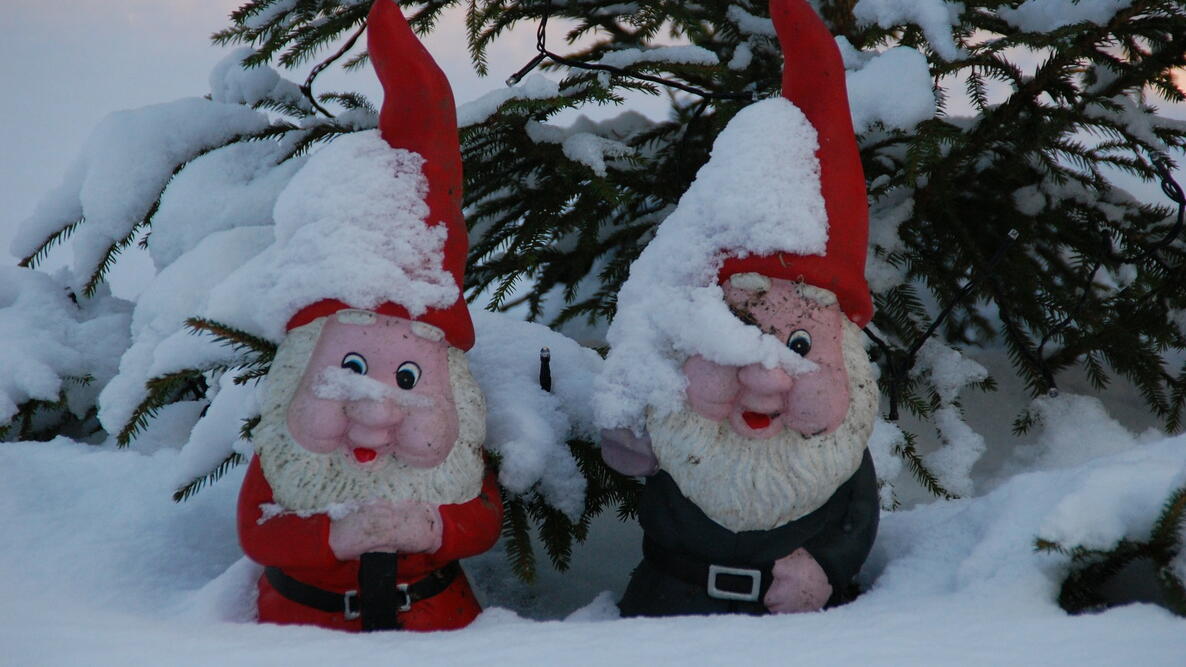

Whatever you may think of snow, remember the old saying: “Snow is a poor man’s fertilizer.” As it turns out, there’s real science behind this winter wisdom. From protecting plant roots and enriching the soil to regulating temperature swings, snow plays a vital role in garden health. Before you curse the next snowfall, discover five reasons why your garden is quietly thanking you beneath that blanket of white.
Snow Delivers Natural Nitrogen to the Soil
Both rain and snow contain nitrogen that plants need, but snow, by its nature, provides a better delivery method. Nitrogen attaches to snowflakes as the snow falls through the atmosphere. In addition, nutrients are slowly released into the soil as the snow melts. This is especially effective early in the spring when the ground is thawed, allowing nature provides a gentle fertilizer boost to plants!
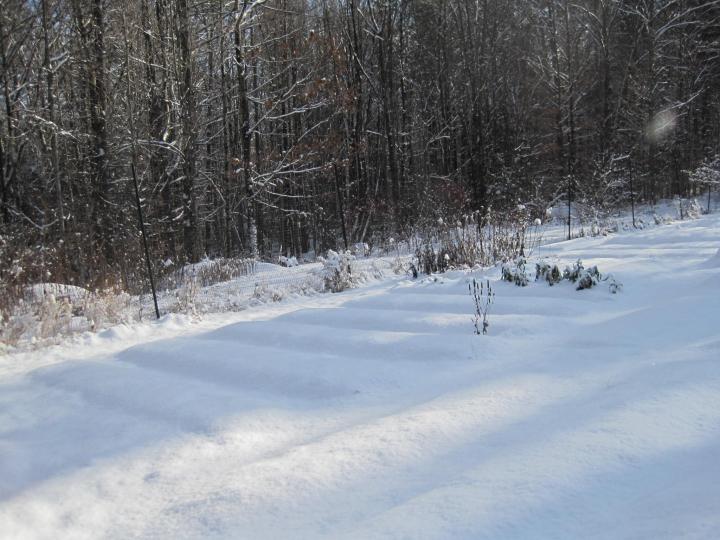
Snow Insulates Plants and Protects Roots
Snow is mostly air surrounded by a little frozen water, and despite how cold it feels to the skin, it is an excellent insulator of the soil and plant roots.
I fear for the perennials when the temperatures drop suddenly before we have enough snow cover to protect the roots. Without snow, very cold temperatures can freeze the soil deeper and deeper. In wintry climates, this could lead to damage to the root systems of trees and shrubs. Snow prevents extreme cold temperatures from harming plants.
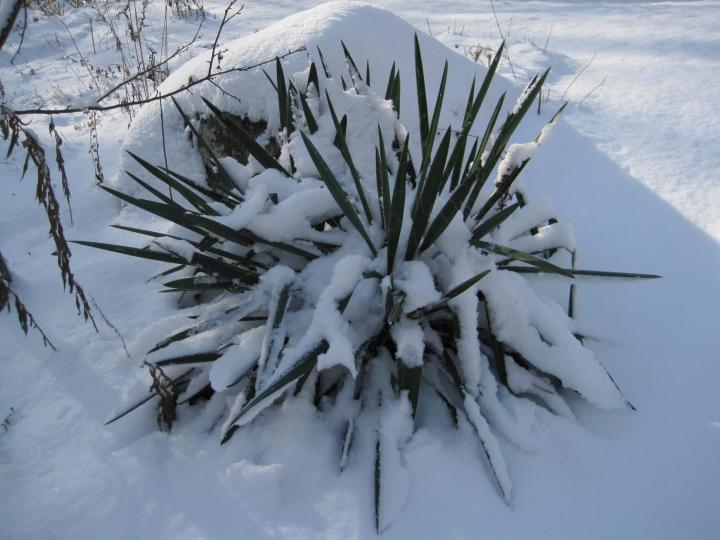
Snow Prevents Harmful Freeze–Thaw Cycles
Snow protects against wide temperature fluctuations in the soil. Under that cozy comforter of white, the roots of perennials, bulbs, ground covers, and strawberry plants are protected from the freeze-thaw cycle that can heave tender roots right out of the ground. Without snow, milder temperatures and the sun could warm the soil surface, leading to damage from soil heaving, which can break roots and dry out plant parts.
Snow Acts as a Natural Winter Mulch
If you didn’t get around to mulching your garden this past fall, a nice blanket of snow can serve the same purpose! Never remove snow from your yard—it’s Mother Nature at work. Snow cover is valuable winter protection for your expensive trees and shrubs.
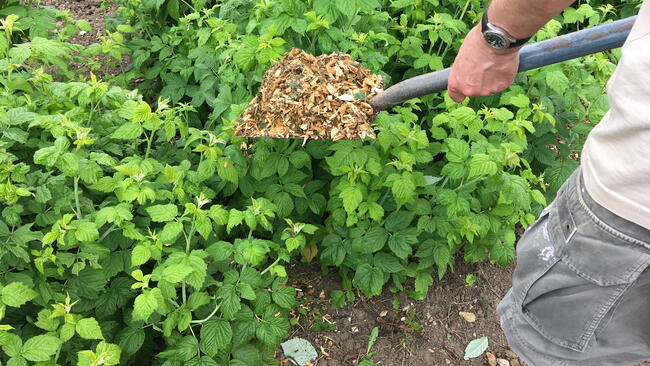
If you don’t have a consistent snow cover, of course, do make sure you mulch. In most cases, 2 to 4 inches of mulch, such as straw, pine needles, hay, or bark chips, gives adequate protection. You can mulch right on top of the snow. It’s better to wait until after temperatures are consistently below freezing to apply the mulch. Applying too early can smother the plant and encourage disease development.
See how to prepare your garden for the winter.
Snow Adds Moisture and Beauty to the Winter Garden
Of course, we can all enjoy the beauty of the tree barks and evergreens contrasting against the white backdrop. Everything looks more visible, from ornamental grasses to that bright red cardinal outside your kitchen window.
How Heavy Snow Can Damage Trees and Shrubs
Of course, heavy snow can really weigh down branches, especially multi-stemmed shrubs. Otherwise, the weight of the snow can bend branches to the ground, cutting off the circulation of food manufactured by the leaves to the roots.
- If possible, in the fall, bundle stems together using burlap or canvas.
- In the winter, take a broom and carefully brush heavy snow from branches as soon as possible, but don’t try to remove ice. More damage to the bark will probably occur than if the ice is allowed to melt on its own.
- With young trees, you may also wish to wrap the trunks with a commercial tree wrap to help prevent bark from splitting from temperature extremes.
It would be worthwhile to gently remove the snow from young trees so their tender bark is not gnawed away by rodents. Just be very, very careful with a shovel, not to cause even the smallest mechanical injury.
Even though snow removal is a back-breaking chore, we need the moisture that each snow crystal provides for our gardens. Next time you are out shoveling, remember the benefits of snow and think of butterflies and apple blossoms!
Frequently Asked Questions
Is snow good for plants and gardens?
Yes. Snow acts as an insulating blanket that protects plant roots from extreme cold, delivers nitrogen to the soil, and provides moisture as it melts in spring.
Why is snow called “poor man’s fertilizer”?
Snow contains small amounts of nitrogen that attach to snowflakes as they fall. When snow melts slowly, it releases nutrients into the soil more gently than rain.
Does snow protect plants from freezing temperatures?
Absolutely. Snow traps air, which helps insulate soil and prevents deep freezing that can damage the roots of perennials, shrubs, and trees.
Can snow replace mulch in winter?
In many cases, yes. Snow functions like a natural winter mulch by protecting soil from temperature fluctuations and preventing moisture loss.
Should I remove snow from my garden?
No. Snow is beneficial for plants and soil. Only remove heavy snow from branches if it risks breaking them—but leave snow on garden beds.
Can heavy snow damage trees and shrubs?
Heavy, wet snow can bend or break branches. Gently brush off snow with a broom, but avoid removing ice to prevent bark damage.
Does snow help gardens in spring?
Yes. Melting snow provides essential moisture early in the growing season and improves soil conditions before planting begins.

More Like This




Comments