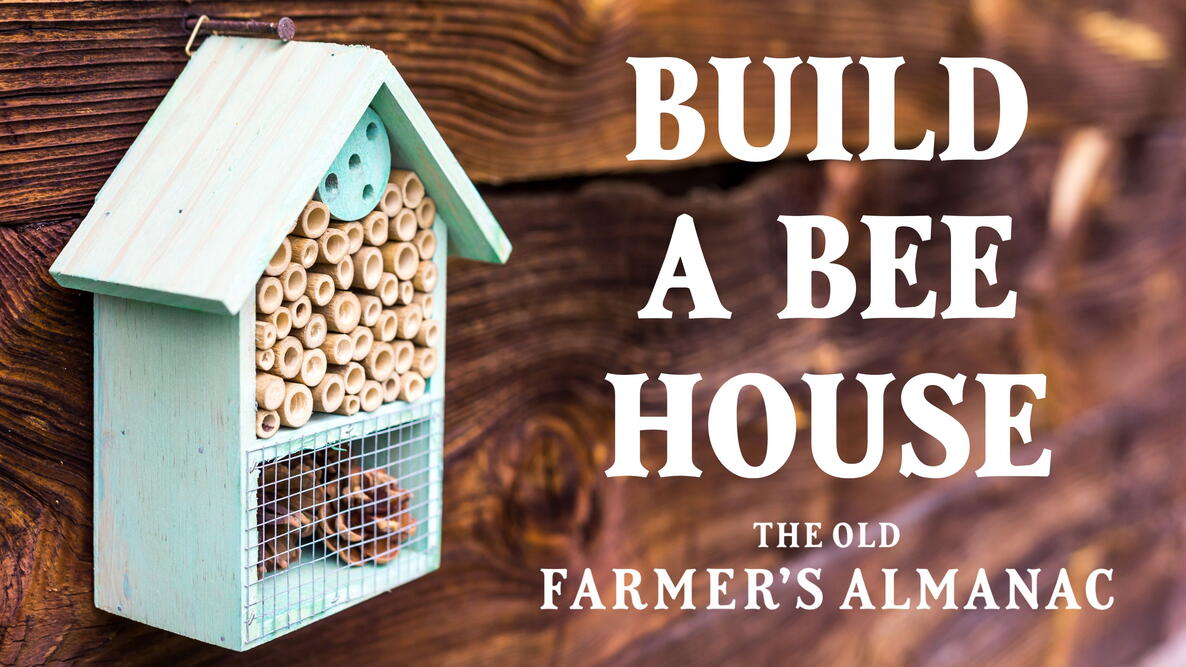
Caption
Bee houses are an easy and eye-catching way to attract native bee species to your garden.

Build a native bee house, and you will enjoy more blooms and greater harvests! Similar to birdhouses, bee houses (also called bee hotels) are meant to increase the pollination of your garden plants by super-pollinating solitary bees, such as mason bees and leafcutter bees. Learn why and how to build a bee house!
What is a bee house?
A bee house (or bee hotel) is a structure designed to attract solitary native bees, such as mason and leafcutter bees, by providing nesting tubes that improve garden pollination.
What Is a Bee House?
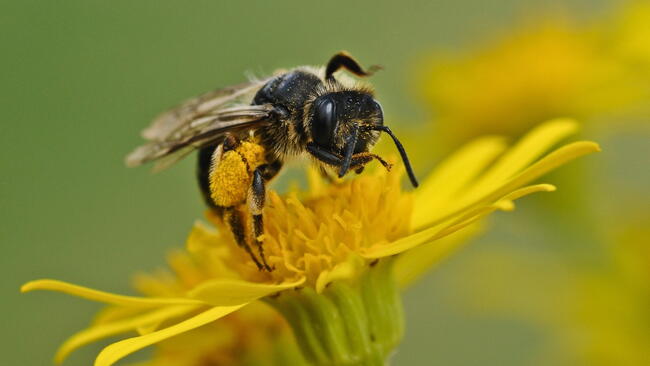
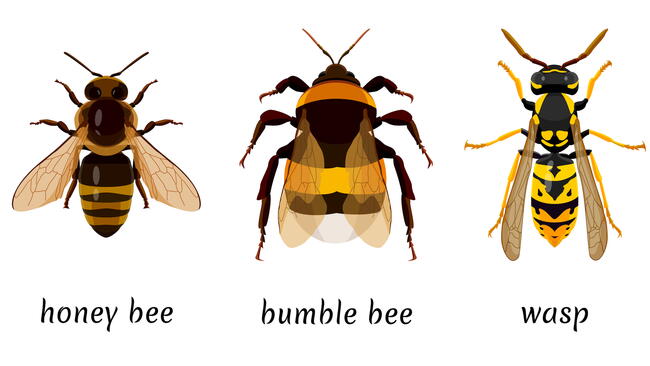
Bee houses (also called bee hotels or bug hotels) are similar to birdhouses, but instead of attracting birds, they attract native solitary bee species. Unlike honey bees, these solitary bees are extremely docile and up to three times more effective as pollinators. No, you won’t get any honey, but you will enjoy better flowers, thriving plants, and healthier vegetables in your garden!
Types of Solitary Bees (Mason Bees, Leafcutter Bees)
Some of the most common solitary bees are mason bees, leafcutter bees, and miner bees. Many of these native bees are already a part of the local ecosystem, but providing them with a perfect place to nest in your backyard can improve their lives and yours.
How Bee Hotels Work
Bee houses consist of a wooden, birdhouse-like structure containing native bee nesting materials—typically hollow reeds or cardboard tubes. They are the perfect habitat for solitary, hole-nesting bees, who are some of the best pollinators around.
How to Build a Bee House Step-by-Step
Watch the video below to learn how to build your own bug hotel (for bees and other beneficial insects).
6 Tips for Managing a Successful Bee Hotel
Here are some great tips for keeping your native bee house buzzing:
1. Avoid bee houses that are too large
While a bee house that is 4 feet wide and 6 feet tall looks great, draws a lot of attention, and raises awareness of native bees, this size is much too ambitious and will likely become a burden to maintain. Like birdhouses, which ought to be cleaned out at the end of each year, bee houses need to be refreshed annually with new nesting materials. Bee hotel maintenance takes little effort overall, but consider the time you can devote to managing the bees that move in.
Be sure to choose a bee house size that matches what the surrounding area can provide. For example, a stand of flowering trees and bushes can provide more pollen than a meadow of flowers can, meaning a larger house would be appropriate for the former.
2. Protect nesting materials from wind, rain, and birds
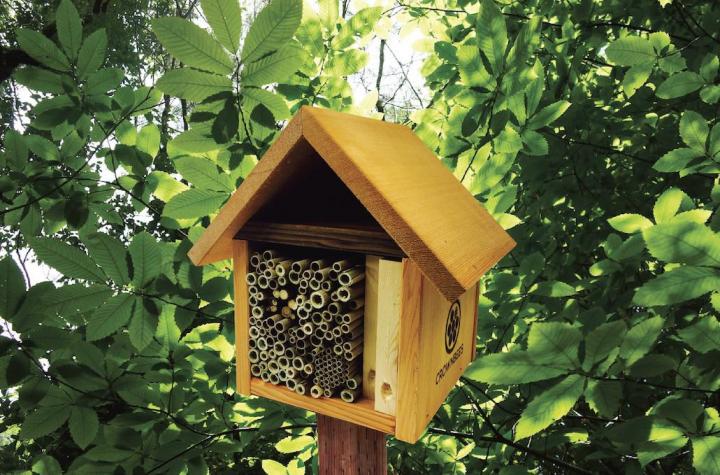
Hole-nesting bees need a place to live that’s dry and safe. The ideal bee house will have a solid outer structure that has a 2- to 3-inch overhang, which will protect nesting materials from bad weather. If birds attack the nesting holes, use a 1-inch-wide wire cloth and bubble it around the bee house. Do not install wire cloth flush against the nesting holes, as this will obstruct the bees from entering. Bees need some space for landing and taking off!
3. Provide nesting holes made of the right materials in the proper size range
Natural, locally available nesting materials are best. For hole-nesting bees, cardboard tubes and lake reeds in the right size range are readily available online.
Avoid bamboo and plastic straws, as these do not let enough moisture escape, causing problems for developing bees. Nesting holes should be between 4 and 10mm in size and about 6 inches long. (Nesting holes that are too shallow will skew the sex range of the next generation’s bees.) Many bamboo shoots are too large for any North American bee to use.
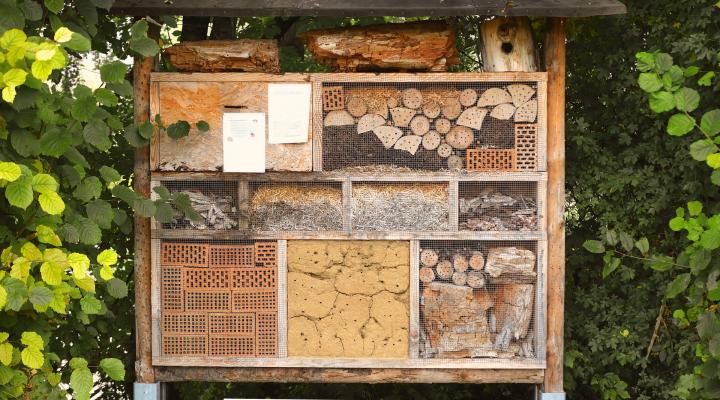
Not all native solitary bees use the same nesting materials, so it’s a good idea to provide a range of options (as pictured below) to cater to all the locals.
4. Location and a word about predatory wasps
Orient the bee house to face the morning sun, as hole-nesting bees need the sun’s warmth to give them energy to fly. Placing two bee houses—each facing a slightly different direction—can produce even better results.
Most native bees prefer afternoon shade, but too much shade could attract hole-nesting wasps. Solitary wasps are generally considered beneficial predators in a garden, as they attack pests like caterpillars, grubs, and aphids. However, they may also prey on the bee pupae in your bee house.
5. Protect developing bee larvae during the winter
Make sure that your bee house is accessible so that you can easily remove filled nesting materials and store them in a warm, dry place. You’ll want to keep nesting materials in locations that have similar temperatures as the outdoors, like a garden shed or unheated garage. Removing and protecting filled nesting holes in something like a fine mesh bag helps to keep small parasitic wasps from attacking larvae.
Keep an eye on the filled nesting materials, as your bees may be a species (such as leafcutter bees) that produces multiple generations per season.
6. Harvest bee cocoons each spring
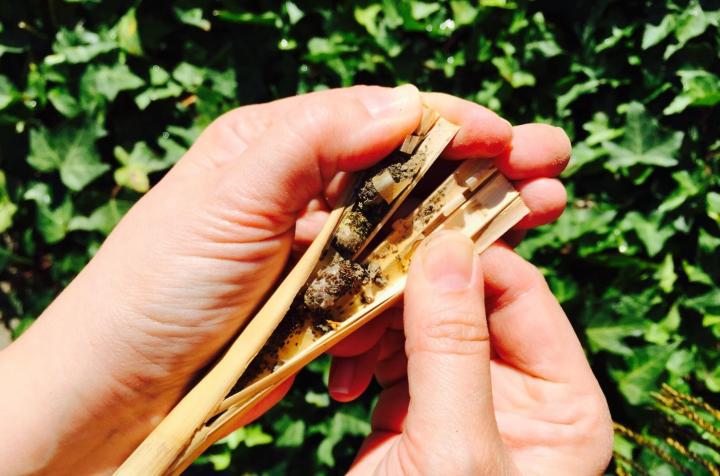
After protecting and storing filled nesting materials over the winter, open materials and harvest cocoons in the early spring. If you can, organize and separate cocoons based on appearance and when their nesting holes were capped. With proper care, these cocoons will develop into a new generation of native bee pollinators and residents of your bee house!
Frequently Asked Questions
What is a bee hotel used for?
A bee hotel provides nesting spaces for solitary bees that help pollinate flowers, fruits, and vegetables.
Are bee houses safe for bees?
Yes, when properly built and maintained, bee houses provide safe nesting spaces for native solitary bees.
Where should I place a bee house?
Place bee houses in a sunny location facing the morning sun, protected from wind and heavy rain.
Do bee houses need cleaning?
Yes, bee houses should be cleaned annually to prevent disease and parasites.
What bees use bee houses?
Common users include mason bees, leafcutter bees, and some species of miner bees.
Do bee hotels produce honey?
No, solitary bees do not produce honey, but they are highly effective pollinators.
Learn More
For more information on solitary bees and bee houses, see Native Bees: The Best Pollinators for Your Garden.

More Like This

As long as it is kept in a sheltered area (such as under the porch), I think it would be worth trying to overwinter the bees. However, in that location they could be vulnerable to things like squirrels and mice, so consider keeping them in a secure container (that also lets some air in).
That's a very interesting idea! Cinnamon is naturally anti-fungal, which would be beneficial to the bees. However, most insects dislike the strong scent of cinnamon and will avoid it; bees would likely do the same!
- « Previous
- 1
- 2
- …
- 10
- Next »

Comments