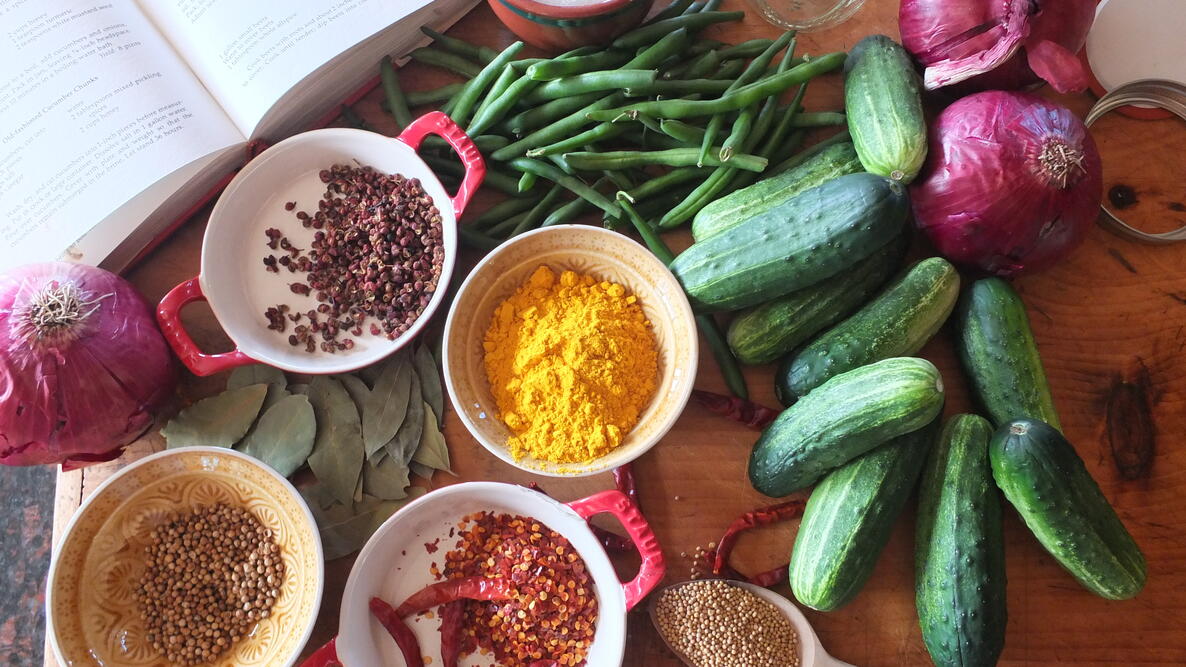
Caption

From crisp dill pickles to spicy kimchi, pickling has preserved flavors and cultures for thousands of years. But did you know cucumbers were first cultivated in India over 4,000 years ago, and pickling played a role in the discovery of America? This deep dive into the history of pickling explores how ancient civilizations, explorers, and spices shaped this beloved culinary tradition. Learn how pickles traveled across continents, why spices matter, and how every culture adds its own unique twist to the art of preserving food.
What is Pickling?
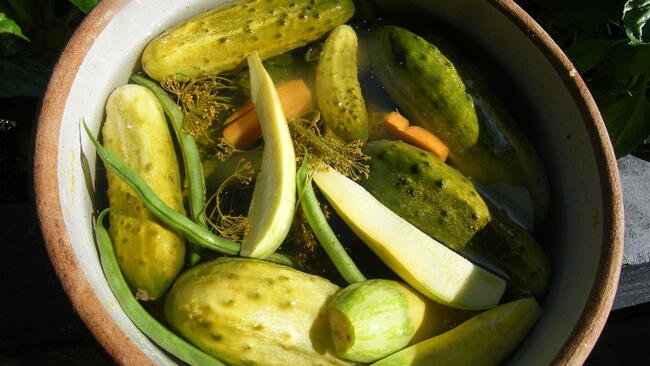
The word “pickle” comes from a Dutch word pekel or northern German pókel, meaning “salt” or “brine,” two components that are essential in the pickling process. Pickling in America is largely synonymous with the act of submerging cucumbers (or other fruits or vegetables) into a salty brine or acidic solution along with various spices to create an environment where no unhealthy bacteria can survive and your vegetable is preserved.
Historically, the process of pickling was a necessity and an invaluable way to preserve foods for sailors and travelers. It provided families with food through the colder months.
The Origins of Pickles
- Archeologists and anthropologists believe that the ancient Mesopotamians pickled.
- Cucumbers originated in India over 4000 years ago and slowly made their way to the Middle East, Europe, and eventually North America.
- Cucumbers were brought to the New World on one of Christopher Columbus’s voyages westward in his quest for the elusive spices of the East Indies.
- It is recorded that Napoleon was such a huge fan of pickles for his armies due to their health benefits that he offered a hefty prize to whomever could develop a way to preserve them safely. This eventually led to the process and discovery of pasteurization.
Pickles in the New World
On Columbus’s voyages of discovery, one of the men responsible for the onboard victuals, or food provisions, was a young Italian pickle merchant named Amerigo Vespucci. It is believed that loading the ship with pickled fruit, vegetables, and meats may have helped the sailors ward off scurvy.
Vespucci later turned his sights to exploration and discovery, obtaining a position on a voyage to the New World. After several conquests over a short period of time, Vespucci recalled to an Italian cartographer that the land Columbus believed to be part of the Indies was actually two separate landmasses, not the Indies as had been reported. Long after Vespucci passed away, a German cartographer, Martin Waldseemüller, named these two landmasses North and South America, opting for the feminine of “Amerigo.”
Pickling Around the World
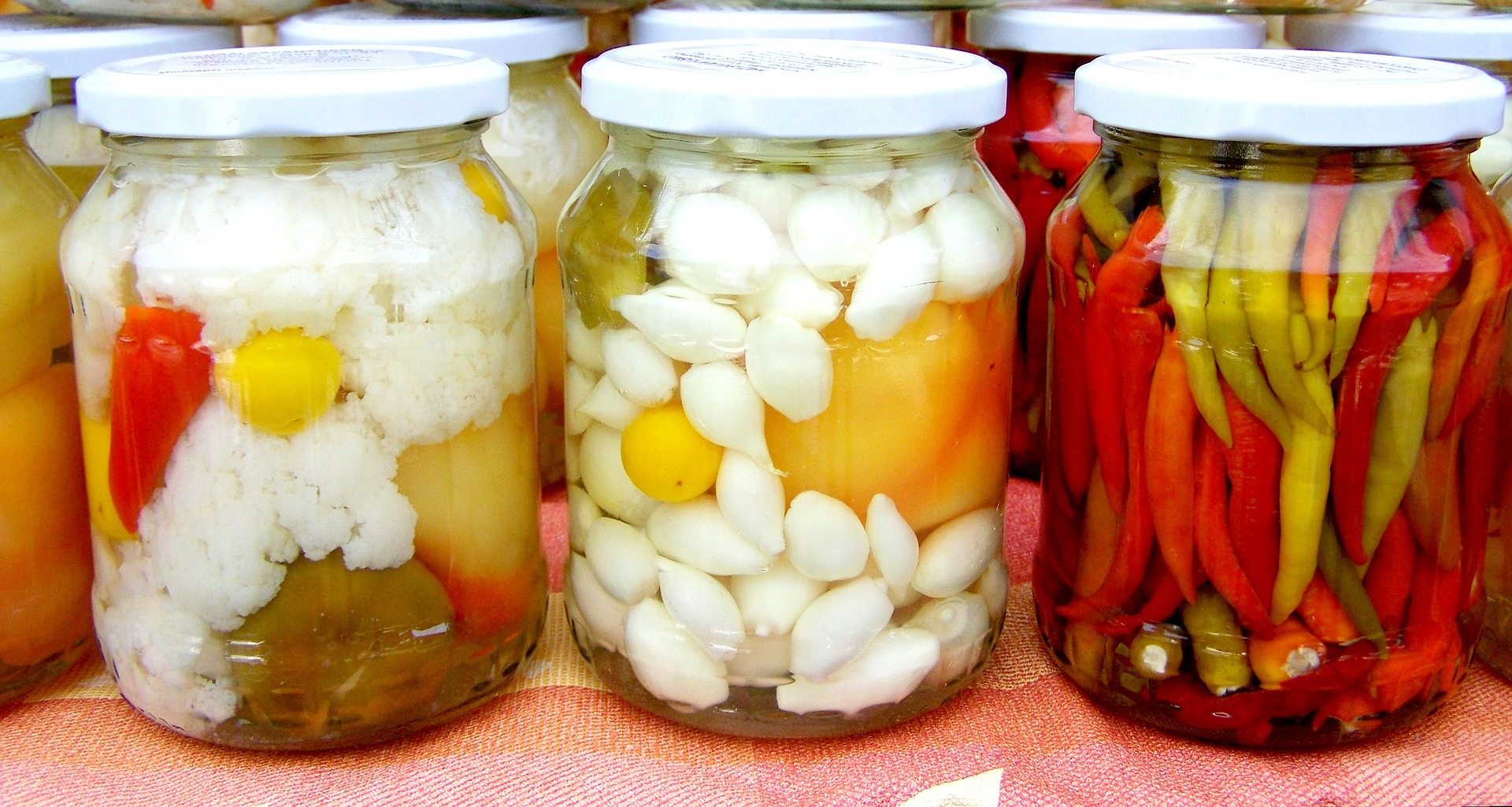
In many countries around the world, the act of pickling does not automatically refer to cucumbers. It can refer to any number of fruits, vegetables, fish, meats, and even eggs.
- The English brought their method for creating sweet pickles with vinegar, sugar, and spice upon their arrival to the New World.
- Eastern Europeans introduced various forms of lacto-fermented cabbage, known as sauerkraut.
- In the Middle East, every meal is served with some type of pickle, from peppers to olives to lemons.
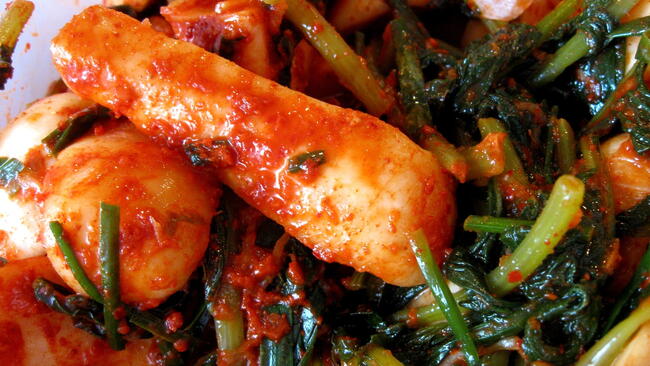
- Koreans make kimchi, which is napa cabbage with a fermented chili paste known as gochujang made from the Korean pepper, gochugaru.
- In Japan, it is common to eat pickled plums, known as umeboshi.
- Italians are fond of a condiment called giardiniera, which consists of pickled peppers, celery, cauliflower, and carrots.
Around the world, nearly every country and cuisine has its own beloved pickle based on what was local and available to them. I have a vivid memory of a large jar of pickled eggs with floating dill, perched atop our refrigerator for most of my childhood, that half the family adored and the other half detested.
History of Pickling Timeline
| Pickling Era / Region | Key Facts | Popular Pickled Foods | Notes / Trivia |
|---|---|---|---|
| Ancient Mesopotamia (~2000 BCE) | Early pickling methods documented | Cucumbers, vegetables | First recorded pickling practices; preserved food for long journeys |
| India (~4000 years ago) | Cucumbers first cultivated | Cucumbers, mangoes | Cucumbers slowly spread to the Middle East and Europe |
| Middle East | Every meal often included pickled foods | Olives, lemons, peppers | Fermented and brined foods were staples of daily cuisine |
| Europe / England | Sweet pickles introduced | Bread and butter pickles, gherkins | Sweet vinegar, sugar, and spice method brought to the New World |
| Eastern Europe | Lacto-fermentation widely used | Sauerkraut, pickled cabbage | Provided vitamins in cold months |
| Korea | Fermented with chili paste (gochujang) | Kimchi (napa cabbage, radish) | Spicy, umami-rich preservation method |
| Japan | Salt or vinegar pickling | Umeboshi (plums) | Sour and salty flavors used in cuisine |
| Italy | Mixed vegetable pickles | Giardiniera (peppers, celery, cauliflower, carrots) | Adds flavor variety to dishes |
| United States / Colonial Era | Pickling helped sailors & explorers | Pickled cucumbers, eggs | Thomas Jefferson enjoyed spiced pickles; Amerigo Vespucci shipped pickles on voyages |
Popular Pickling Spices and Flavors
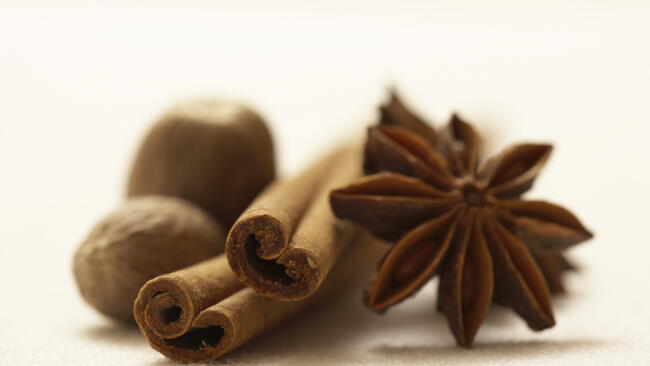
What are pickles without their respective spices? Bread and butter, sweet gherkin, and kosher dills might be merely brined cucumbers if not for the various flavors and aromas added through select spicing. Spices add more than just distinct flavor; they create colorful diversity. Bay leaf, black peppercorns, chili peppers, cinnamon, coriander seeds, dill, garlic, ginger, and mustard seeds are just a few of the spices that are added to pickled condiments, bringing heat, sweetness, savoriness, or umami to a particular recipe.
However you enjoy your pickle, perhaps it was Thomas Jefferson who summarized it best: “On a hot day in Virginia, I know nothing more comforting than a fine spiced pickle, brought up trout-like from the sparkling depths of the aromatic jar below the stairs of Aunt Sally’s cellar.”
Find out more about pickling. Try your own pickling recipe at home! Discover easy ways to pickle cucumbers, vegetables, or fruits.

More Like This

Hi Lisa,
What I have read about Polish pickles is that they are similar to a dill pickle only with more heat. Here is a recipe for Polish Pickle that I hope is exactly what you are looking for!
Happy Pickling,
Melissa

Comments