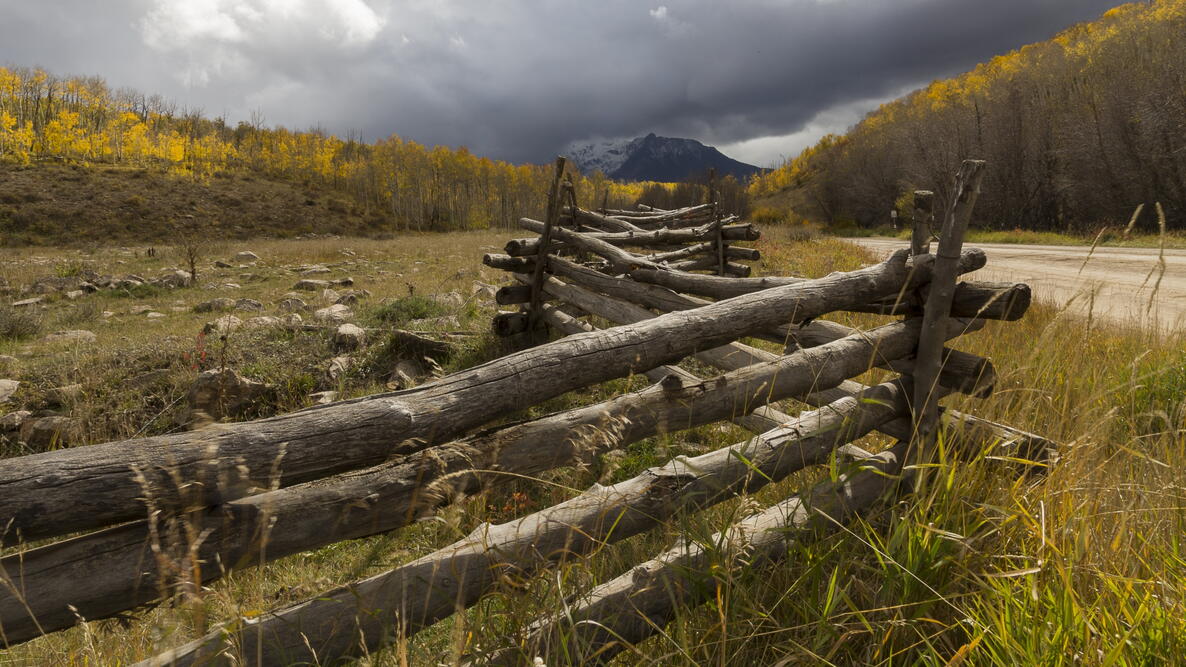

Most early-American fences were built from natural materials like brush, logs, stone, and living plants. Today, many gardeners and homeowners are rediscovering these traditional fence styles for their durability, sustainability, and rustic charm. From brush fences to stone walls, here are eight historic fence designs that still inspire modern landscapes.
8 Traditional Fence Styles From Early America
1. Brush Fence
Did you know that the first American fences of record were built of brush? A thicket of small- to medium-size trees was required. These were felled and then stacked. As the trees overlapped one another, an impenetrable mass was formed, several feet wide and many feet tall.
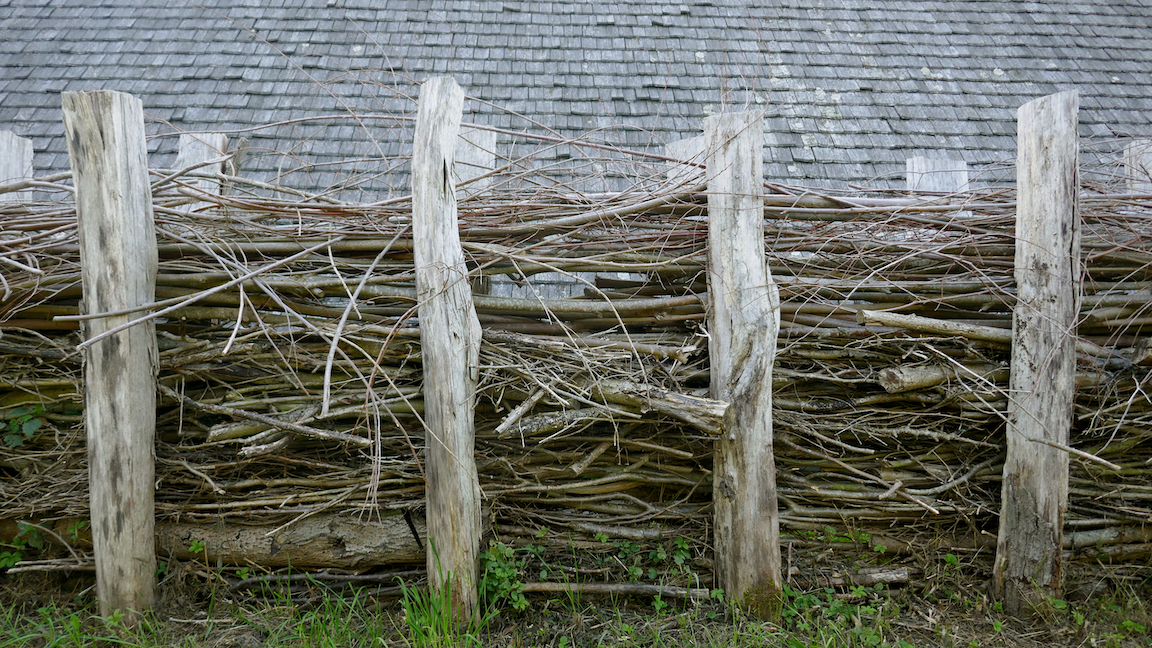
Brushwood fences were probably one of the earliest fence types constructed in Japan. Today, people are rediscovering this ancient, eco-friendly fencing style as a natural backdrop using undergrowth, twigs, tips, and small branches. 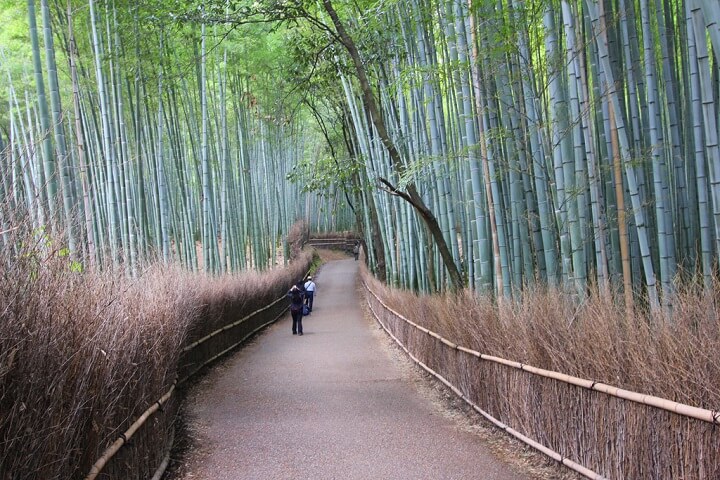
Today’s brush fences tend to be somewhat more decorative and may have tree branches in vertical or horizontal positions.
2. Stump Fence
Stump fences are often found near a woodlot because they are constructed from one. Once built, they are horse-high, bull-strong, and pig-tight—as difficult to get through as living hedges. These fences are made from tree stumps: Roots are cut off the sides of each stump and saved for possible use. Then stumps are laid flat, or with the trunk cut-side down, with roots in the air. They are placed close together, along the fence line. Any gap between the stumps is chinked with the remaining (cutoff) roots.
If the lumber can be spared, stump fences can be made of logs cut from tree trunks to the same length and set upright on the fence line.

Today, there are many ways to use tree stumps to create natural fencing.

3. Snake Fence
A snake fence is also known as a split-rail zigzag fence or Virginia fence. They are built of split rails laid in zigzag fashion. Rails, split logs of medium size, or saplings are placed one on top of each other at an angle, intersecting at each end. A pair of long stakes driven into the ground at the end of each intersection holds the fences upright.
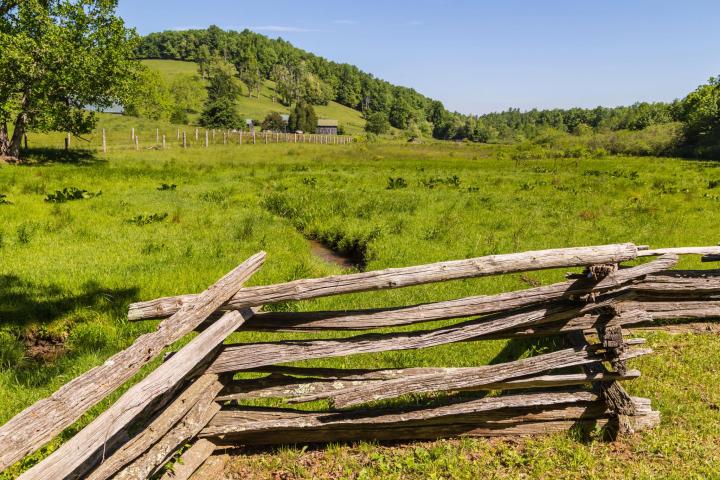
Photo Credit: Warren Price Photography Shutterstock
4. Basket-Weave Fence
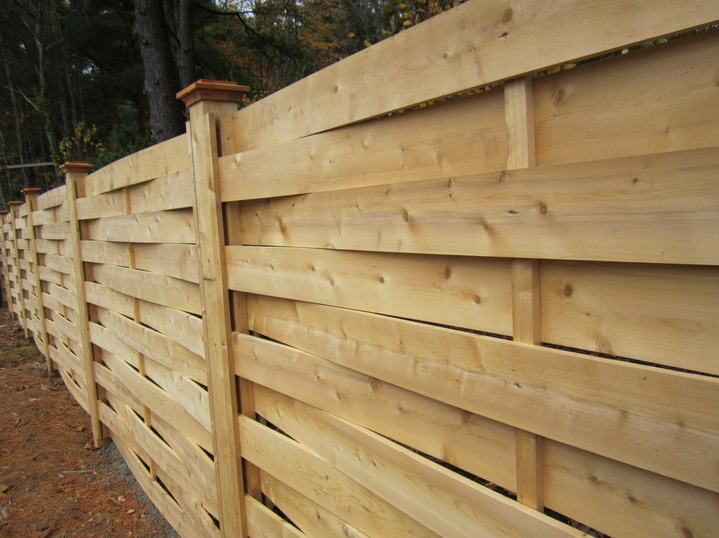
This style of fence is highly decorative. Measurements are especially important in erecting this fence. For DIYers, proper materials would include 4-inch-square hardwood posts; smaller support posts half the diameter and of the same length; plus 10-foot-long, 6-inch-wide, 1/2-inch-thick boards of matching length (these are woven between the uprights). The posts—especially the ends of them—should be treated to prevent rot after being set in the ground. Boards should be woven as close as possible for protection and privacy.
5. Picket Fence
In colonial times, picket fences became a symbol of America. They were originally rough-pointed sticks to defend and also demarcate land. Anyone could gather the wood to create their own fences on new homesteads. Over time, picket fences represented the pride of homeownership and allowed families to keep children and pets safe while also remaining neighborly. Colonial fences were made with a mixture of lime and water to protect the wood—and gave the fences that traditional white color.
Wooden picket fences are often displays of elaborate workmanship. Pieces are usually made to order from raw stock and prepped for paint—but not painted—before assembly. Because of the detail and time involved in creating them and the ensuing costs, original wooden picket fences are seldom erected today.
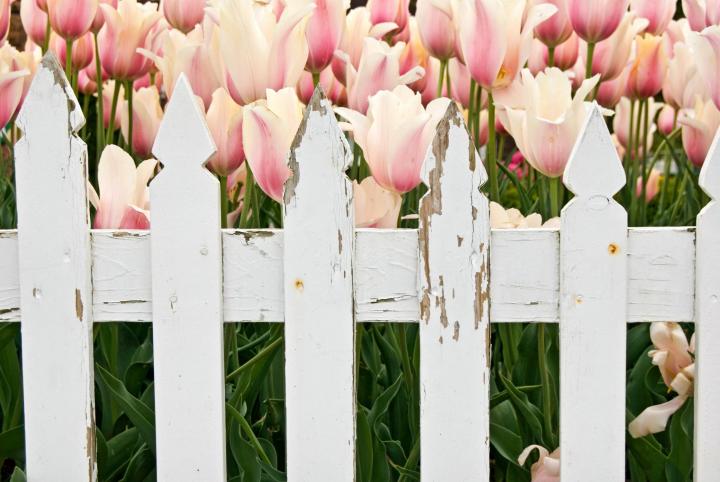
Photo Credit: Maria Dryfhout Shutterstock
6. Tenter Fence
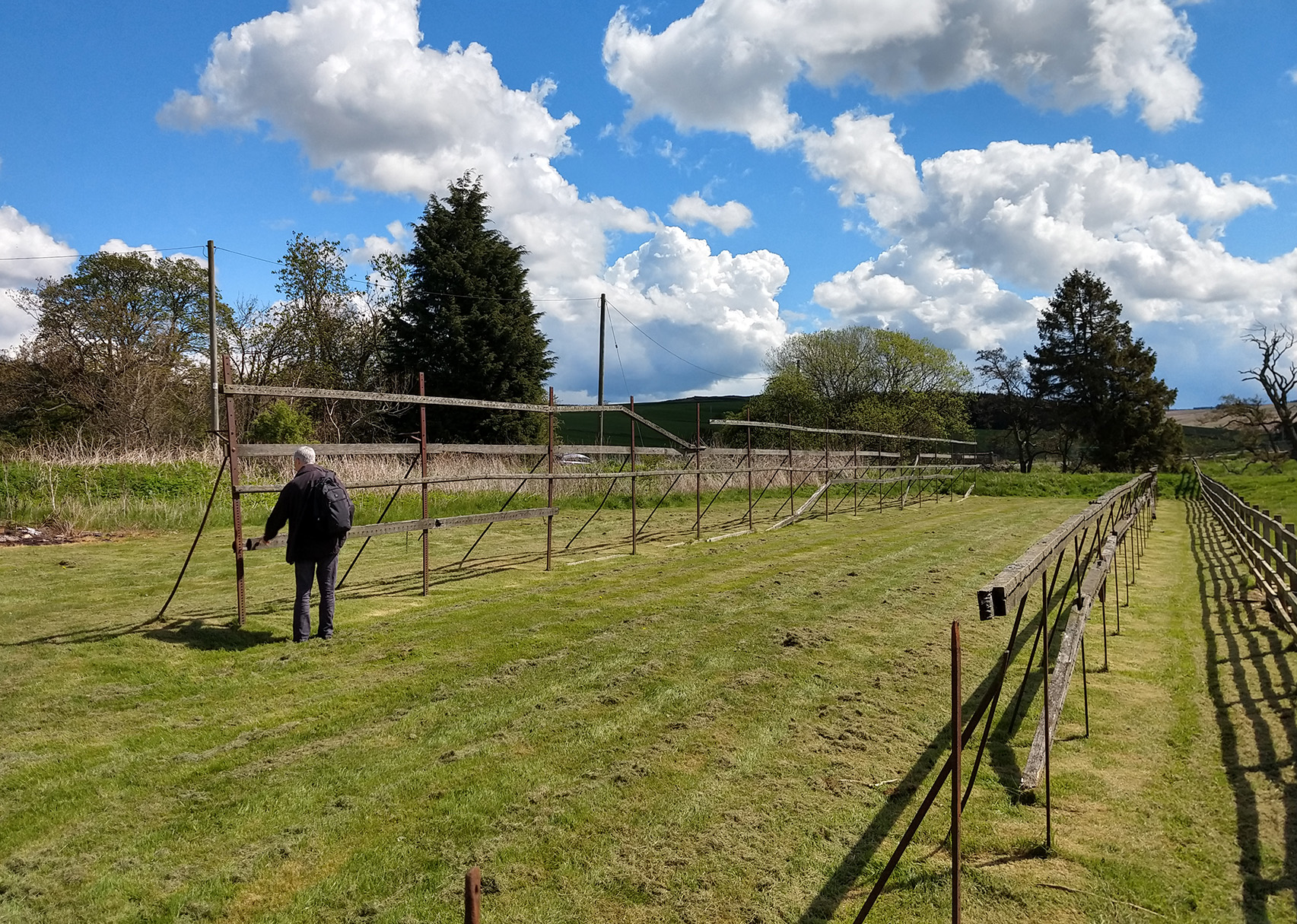
More drying rack than true barrier or enclosure, this form gave rise to the expression “to be on tenterhooks,” meaning to be anxious. It is constructed with 8-foot posts stuck 2 feet deep into the ground about 4 feet apart. Smoothed rails are nailed into the posts horizontally at the top, the middle, and a foot or two above the ground. At regular intervals, tenterhooks are screwed into the top and bottom railings.
Pre-dressed woolen cloth is hooked to the upper railing then stretched down and hung on the lower hooks. There it can dry into pre-shrunken cloth, which keeps it from over-shrinking. For a longer-term, decorative alternative, attach grommets to a piece of canvas (or similar suitable fabric) and hang it on the hooks.
7. Stone Fences
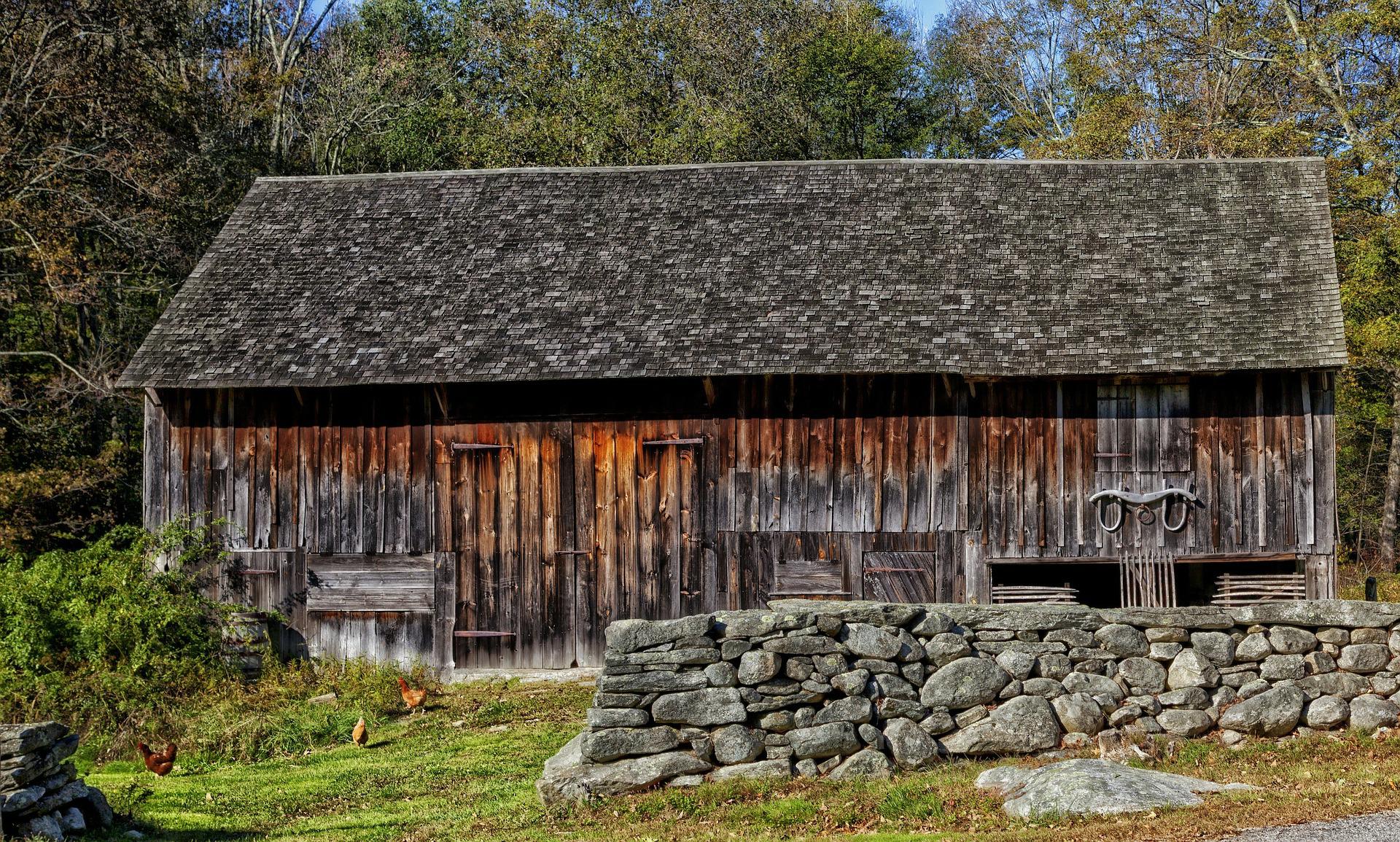
In regions with abundant natural stones and rocks, farmers would need to remove the stones from the field to clear it for plowing. This was especially true in New England’s glacier-formed topography, which meant a wealth of fieldstone.
This gave rise to stone walls (stone fences), which also separated farmers’ fields for livestock and crops. They were traditionally about 3-feet high and very durable. Every year, the farmers would walk the fields to replace loose stones. Later, some farmers used dry mortar to hold stones in place.
8. Live Plants/Hedges
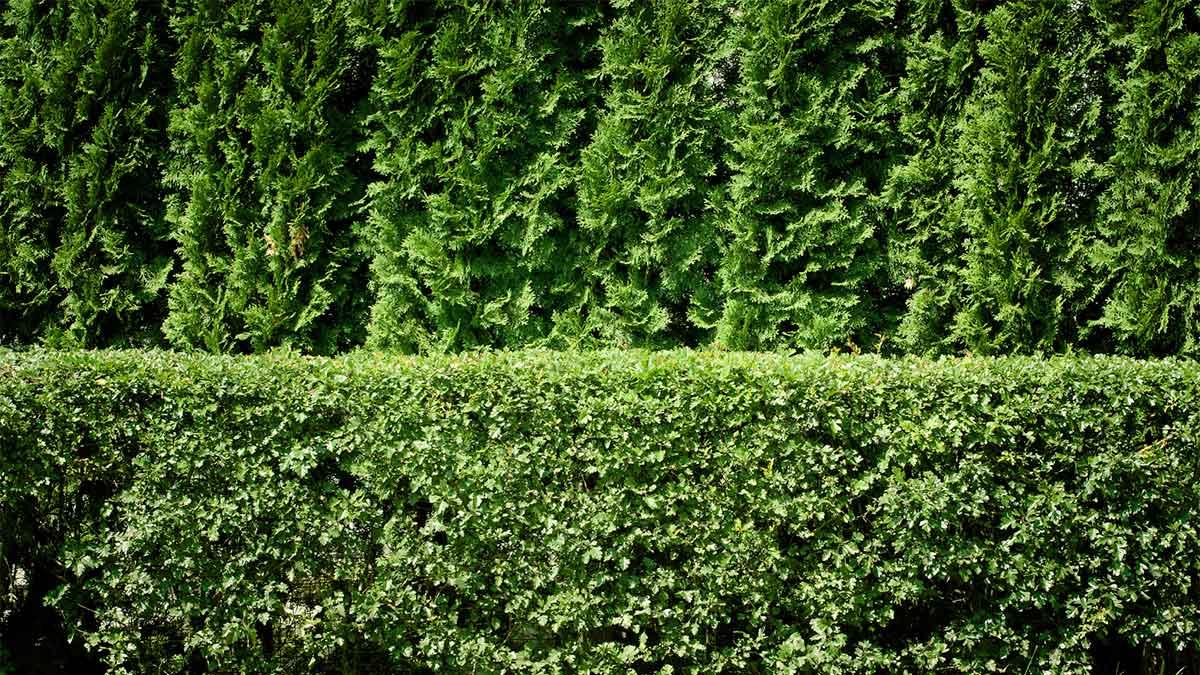
In many areas, especially in the southern states, stone and timber were not readily found. However, fast-growing plants could make a live fence or hedge. These live fences had many benefits beyond privacy. Plants can also filter air, absorb noise pollution, and make for a very attractive green backdrop. Learn more about the best shrubs for making hedges.
Willow Fencing for Gardens
There’s also a type of natural fence that you can use in the garden! Quick-growing, flexible hazel and willow trees offer stems to weave into fences, screens, supports for climbing plants, and more.

Not only do they look stunning, but they also help to filter wind instead of deflecting it, avoiding the damaging eddies found along solid walls.

Both willow and hazel have a long history of use in all manners of garden structures. See how to make a willow structure here.
Traditional Fence Styles Comparison Chart
Choosing the right traditional fence depends heavily on climate, region, and available materials. This comparison chart highlights which historic fence styles work best in different parts of the country.
| Fence Type | Primary Materials | Best Regions | Climate Suitability | Traditional Use | Modern-Day Benefits |
|---|---|---|---|---|---|
| Brush Fence | Branches, brushwood, saplings | Northeast, Pacific Northwest, Japan-inspired gardens | Cold, temperate, woodland | Early property boundaries, livestock deterrent | Eco-friendly, low cost, wildlife habitat |
| Stump Fence | Tree stumps, roots, logs | New England, Upper Midwest | Cold, forested regions | Livestock control, field division | Rustic aesthetic, reuse of land-clearing materials |
| Snake Fence (Split-Rail) | Split logs, rails | Appalachia, Mid-Atlantic, Midwest | Temperate, rolling terrain | Marking land without digging post holes | No nails, flexible layout, historically authentic |
| Basket-Weave Fence | Hardwood posts, woven boards | England, Colonial settlements, Mid-Atlantic | Mild to moderate climates | Privacy and wind protection | Decorative, excellent privacy, strong visual appeal |
| Picket Fence | Wood slats, lime wash or paint | Eastern U.S., Colonial towns | Mild to moderate | Yard enclosure, symbolic boundary | Classic curb appeal, child & pet friendly |
| Tenter Fence | Posts, rails, iron hooks | England, Colonial textile towns | Dry to moderate | Drying woolen cloth | Decorative screens, shade structures, fabric displays |
| Stone Fence (Dry-Stack) | Fieldstone, rock | New England, Scotland, Ireland | Cold, rocky soils | Livestock fencing, land division | Extremely durable, timeless, minimal maintenance |
| Live Hedge Fence | Shrubs, trees (hawthorn, privet, Osage orange) | Southern U.S., Europe | Warm to temperate | Property boundaries, windbreaks | Air filtration, noise reduction, living privacy |
| Willow / Hazel Fencing | Willow or hazel rods | UK, Pacific Northwest, wet regions | Moist, cool climates | Garden enclosures, livestock | Flexible, renewable, wind-filtering |
Frequently Asked Questions
What is the oldest type of fence in America?
Brush fences are considered the oldest documented fences in America. Early settlers felled small trees and stacked brush into dense barriers that marked property lines and kept livestock contained.
Which traditional fence lasts the longest?
Stone fences—especially dry-stack stone walls—are the most durable. Many built in New England centuries ago are still standing today with minimal maintenance.
Are traditional fences cheaper than modern fencing?
Often, yes. Many traditional fences use locally sourced or reclaimed materials like stone, wood, or brush, which can significantly reduce costs. Labor may be higher, but material expenses are usually lower.
What is the best traditional fence for cold climates?
Stone fences, stump fences, and snake fences perform best in cold regions. These styles tolerate freeze–thaw cycles and don’t rely on deep post holes that can shift in winter.
Can I build a traditional fence myself?
Many traditional fences are DIY-friendly. Snake fences, brush fences, and willow fencing require minimal tools and no concrete. Basket-weave and stone fences are more labor-intensive and may require experience.
What is the most eco-friendly fence style?
Live hedges, brush fences, and willow fencing are among the most sustainable options. They use renewable or living materials, provide wildlife habitat, and have minimal environmental impact.
Are live hedge fences practical for modern yards?
Yes—especially in warmer regions. Hedges offer privacy, reduce noise, filter air, and can last for generations with proper care. They do require both time to mature and regular trimming.
Traditional fences aren’t just relics of the past—they’re practical, beautiful solutions for modern landscapes. Which historic fence style would you bring back? Tell us in the comments!

More Like This

Comments