
How to Prepare for Daylight Saving Time

Ready to “fall back” on Sunday, November 2? Here are five tips to help make the impending Daylight Saving Time change go more smoothly and to help your body adjust to the time change!
For most of us, the clocks change twice a year, “springing” forward 1 hour in March and “falling” back 1 hour in early November. See when Daylight Saving Time starts and ends this year.
Most Americans dislike this twice-yearly time reset. Earlier this year, the Senate passed legislation to make Daylight Saving Time permanent, perhaps as early as next year. See more about states objecting to changing the clock.
Our bodies run by an internal clock, not a manmade clock, so even a modest time adjustment can take some getting used to, especially when the days feel shorter and darker as cold weather arrives. Even one extra hour of darkness can feel significant to some who feel low-energy during the low-light seasons of autumn and winter.
Does a Time Reset Affect Our Health?
For most of us, the time change doesn’t affect our health. Some people are barely aware of their body’s adjustment and might feel a little tired and irritable.
But for other folks, it can be significant. Be respectful and realize that your experience is different from others, especially those with underlying health issues. See this article referencing studies about increased traffic fatalities, heart attack risk, and depression.
How Long Does It Take for Your Body to Adjust?
Our body’s own time-keeping machine regulates sleep and metabolism. So, a time shift disrupts our sleep and circadian rhythms. These rhythms require a brief “lag time” to adjust to the change.
The time change can affect sleeping and waking patterns for 5 to 7 days. So think about 1 week ahead.
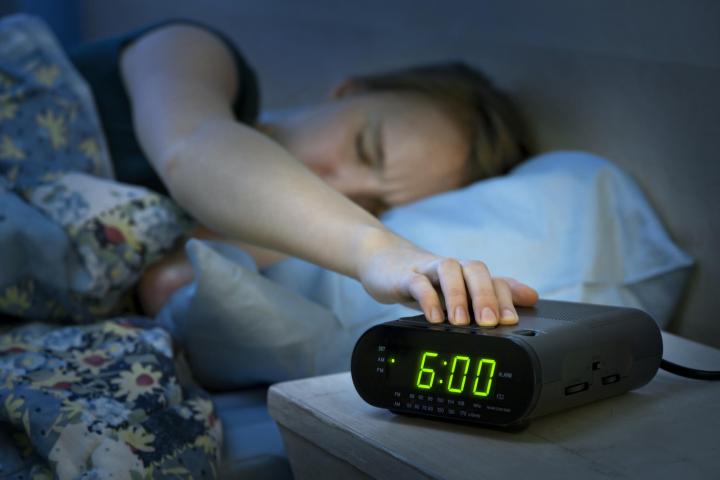
5 Tips to Adjust to Time Changes
Many of these tips are great for any time of the year, but pay special attention to days around the clock change.
1. Go to bed and get up at the same time.
Get at least 7 hours of sleep on the day(s) before and after the transition. Lack of sleep tells the body to store fat. While staying up later or changing your habits is tempting, it’s best to keep your bedtimes consistent. The closer you stick to your normal routine, the faster your body will adjust to the time change.
If you have a really tough time twice a year when the clocks change, start planning ahead. A few days in advance, gradually adjust sleep and wake times by shifting bedtime 15 to 20 minutes each night. This helps your body make gradual shifts and adjust more slowly.
2. Practice good habits before bedtime.
In the days after the time change, quit caffeinated beverages 4 to 6 hours before bedtime. Avoid alcohol in the evening. If you are exercising, avoid workouts within 4 hours of bedtime because raising your body’s core temperature can make it harder to fall asleep.
If you know you have a tough time with time changes, you need to avoid electronics near bedtime, at least for a few days afterward. Electronics’ high-intensity light hinders melatonin, a hormone that triggers sleepiness. Light stimulates your brain and makes sleep difficult in the same way sunlight does. Also, turn off the television and pick up a book. Take a warm—not hot—shower. Dim the lights. Relax.
3. Keep your dinnertime consistent. Eat more protein and fewer carbs.
On the days around the time change, eat at the same time or even eat a little early. To ease the transition, shift your mealtime forward 15 minutes for a few days in a row.
Our sleep cycle and our eating patterns affect each other. Don’t overeat. Also, if you find yourself feeling snack-y, eat a snack that is high in protein instead of carbohydrates. (This might seem like good everyday advice, but it’s even more important during time changes.)
Try fruit with peanut butter or cheese with crackers. Go shop for fish, nuts, and other sources of protein for dinner this week! Avoid the pasta and carb-loaded snacks!
4. Get more light!
Go outside and get exposure to morning sunlight on the Sunday after the time change to help regulate your internal clock. Having shorter daylight hours affects our mood and energy levels, decreasing serotonin. Make time to take a morning or early afternoon walk outside when the Sun is out. Try using a light therapy box or an alarm light that brightens as you wake up.
In the autumn and winter, it’s dark after work. Consider shifting any outdoor exercise to when you can get sunlight; can you get outside for some morning light, even if you need to bundle up?
5. Take a short catnap.
Some folks may disagree, but if you’re starting to stack up sleepless hours, it’s safer and healthier for your body to give in to a short nap than to continue without sleep. Make it a short nap (no more than 20 minutes) to restore lost sleep hours; however, do NOT take long naps. It may help to go outside into the natural sunlight to cue your body and help retrain your inner clock.
How do you adjust to time changes? We’d love to hear your thoughts.

More Like This


Comments