
Midsummer Maintenance for Nuisance Plants

“Garden thugs” are plants (not weeds) that quickly get out of control in the garden. They can really run amok and hog all the room if they’re not judiciously pruned, dug out, cut back, or thinned in midsummer. Here’s how to keep these bullies from taking over!
Last week I was making iced tea and wanted to add some spearmint to the brew. It grows in a flowerbed near the kitchen. I couldn’t find it! Though I pass by this flowerbed many times each day, obviously, I haven’t paid much attention to this bed. It had been choked out by other plants.
Ironically, mint is a common garden thug, notorious for its habit of overrunning a garden, but that was not the case here. A turf war was raging under my nose and the violets and goutweed were winning.
I intentionally planted the most rugged and hardy plants in this bed since it’s near an area that has poor soil and gets piled by snow. These plants, including mint, would become invasive thugs if they were being grown in better soil, more sun, and had a little extra water thrown their way in the summer. None of that is the case, so this is truly a Darwin garden where only the strong survive. I finally had to step in though and do some editing—a nice term for long overdue maintenance.
10 Plants That Need to Be Chopped, Thinned & Dug Out
Here are some of my own plants that just aren’t behaving in the garden.
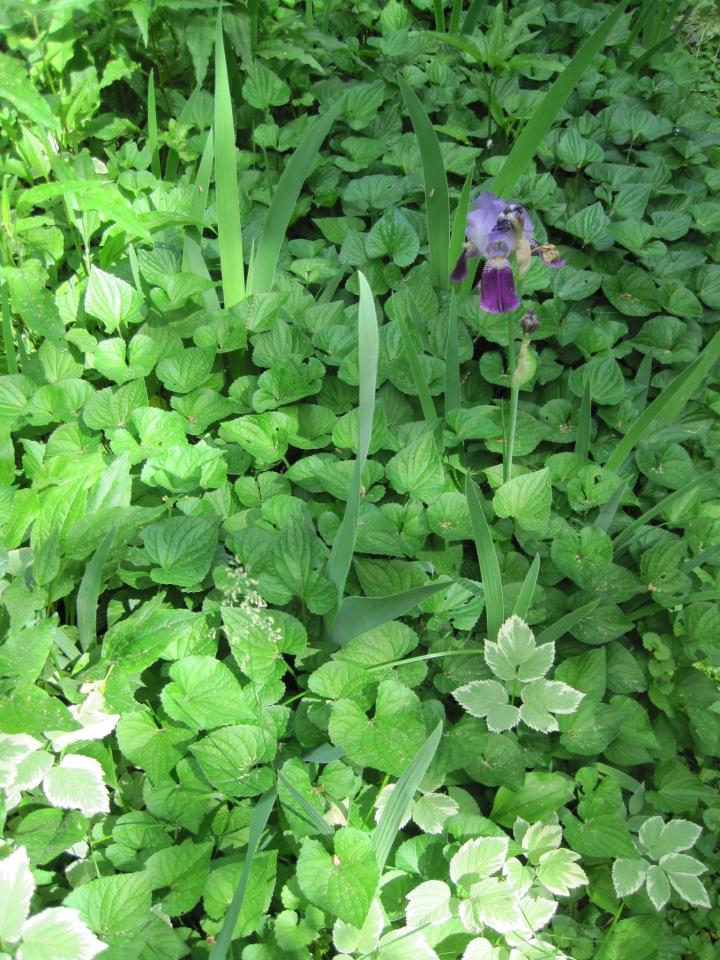
- First, the violets had to go. Never fear, next spring there will still be plenty of them to give a nice show of blossoms, as they are virtually impossible to totally eradicate. Their shiny heart-shaped leaves are a nice groundcover or understory plant in the right place, but I have way too many of them. Shade or sun—they don’t care.
- Next, it was time to deal with the goutweed (Aegopodium agraria)—pretty, but dangerous. Don’t trust it! It attacks from above and below, spreading by underground runners and seeds. I was surprised to see it for sale at a reputable nursery this spring and had to restrain myself from saying what I was thinking. “Are you crazy selling this stuff! Don’t you know how invasive it is?” A former owner of my house must have thought it was pretty and planted it here. Probably the same person who thought planting burning bush (Euonymous alata) was a good idea. I have been fighting with both for years!
- Then, the New England asters got chopped in half to cut them down to size. Even so, they still will eventually tower over the rest of the plants in the bed. I don’t know where all the phlox have come from. They have extensive root systems, but birds also spread the seeds so some of these plants must have traveled from the other side of the yard. I ripped out most of them to prevent a hostile takeover and chopped the rest in half to give the plants around them a fighting chance.
- Goldenrod is great for late summer color and a pollinator favorite, but enough is enough! It rudely rides roughshod over its neighbors and most of it had to go.
- Rambunctious Jacob’s ladder (Polemonium caeruleum) is holding its ground against the domineering astilbe, so I let them continue to duke it out on their own.
- Lily-of-the-valley could easily overtake any garden if given the chance, but they struggle to gain a foothold in this battleground.
- The obedient plant (Physostegia virginiana) usually does not live up to its name, but in this garden of plants behaving badly, it has been kept in check by its more aggressive neighbors.
- Talking about space invaders, the great blue lobelia (Lobelia siphilitica) is another plant that appeared out of nowhere and has elbowed its way into this bed and several others. I do love the blue flowers later in the season, but they need to quit hogging all the room.
- The tawny day lily is another plant that does not play well with others. I have tried to mix day lilies in other colors with them only to find that the tawnys have taken over. Now they have their own bed and are kept in check by mowing around the edges.
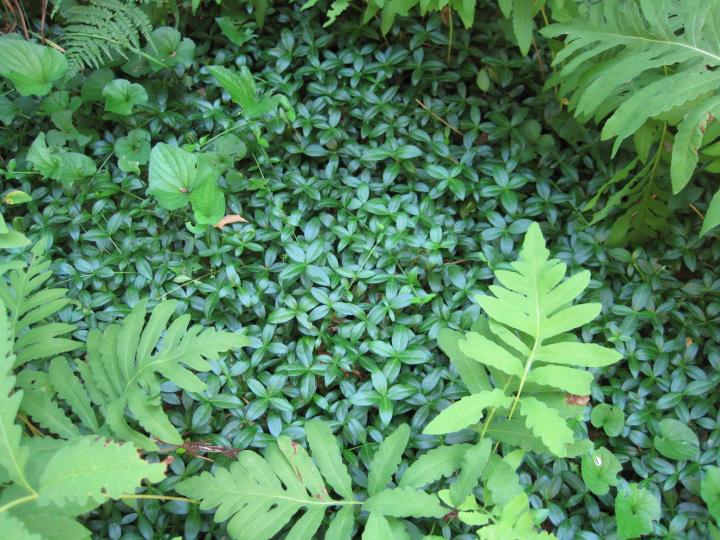
- Years ago I found some vinca growing near an abandoned cellar hole in the woods and brought a piece home to plant on the shady north side of the house. Any plant that can grow for 100 years with no attention is my kind of plant. I should have known better! Given an inch, it has taken a mile. Now I see why it is on the invasive species lists in many states.
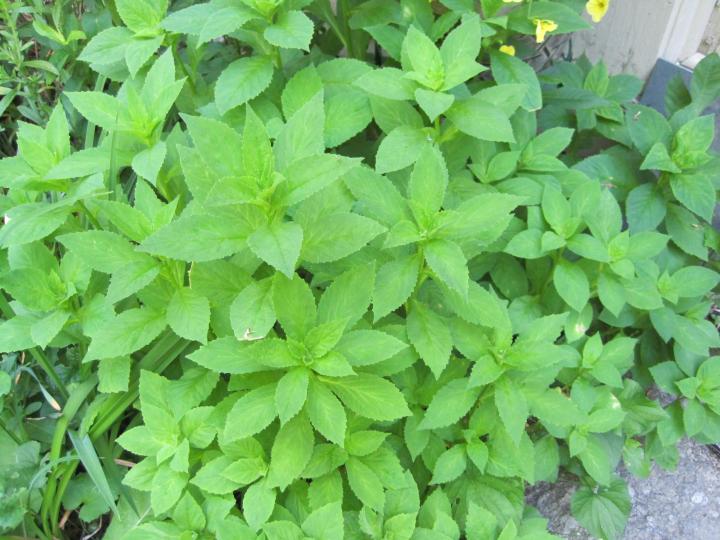
That said, be wary of pass-along plants that you might be gifted with. Will they be friend or foe? Many are fine but some may be rampant growers that you will eventually regret planting. When buying plants look out for watchwords like “vigorous grower”, “fast spreading”, “exuberant”, “thrives in sun or shade”, “self-sows freely”, or the dreaded “good for erosion control”. All of them could spell trouble down the road. If you have a question about whether or not something is considered invasive in your area consult your state’s invasive species list or check out invasive.org or invasivespeciesinfo.gov for more information.
The upside to spending a few hours removing some of the thugs from my garden is that now I have room to plug in some annuals for season-long color and can plant some new perennials!
P.S. Some other common garden thugs include: blackberries, horseradish, Japanese anemones, the herbs fennel and dill, amaranth, and butterfly bush. Add yours as well in the comments below!


- « Previous
- 1
- 2
- …
- 10
- Next »

Comments