
Exploring the Benefits of Aloe Vera

Aloe vera is truly amazing. Since ancient times, the gel from the leaves of aloe plants has been used for healing skin and as a folk remedy for many skin problems. Learn more about this houseplant that does double duty as a self-regenerating first-aid kit.
Among the easiest-to-grow houseplants, aloe vera will decorate a kitchen shelf with quiet grace while also providing healing compounds. Its fleshy leaves contain numerous plant compounds with antimicrobial, pain-reducing, anti-oxidant, and anti-inflammatory properties.
Used medicinally for at least 6,000 years, the succulent plant spread throughout the world to become important in the traditional medicine of ancient Egypt, Rome, Greece, Persia, and India, and throughout Asia and Africa. The Spanish introduced aloe vera to South America and the Caribbean.
Everyday Health Uses for Aloe Vera
Scientific evidence supports using the jellylike substance inside aloe vera leaves for alleviating pain and helping to heal everyday burns, abrasions, bruises, boils, canker sores, and other mouth sores. It may also alleviate symptoms of minor frostbite, herpes (both cold sores and shingles), hemorrhoids, psoriasis, and acne.
Some folks use aloe vera gel for dental hygiene. Many people use it to treat dandruff and as a general hair conditioner.
Although aloe is under investigation for use in diabetes, lowering LDL cholesterol, many digestive system disorders, and some cancers, health experts warn people not to take any fresh or processed aloe product internally, by mouth or injection, unless under the direct care of a doctor.
Recent research has shown that aloe doesn’t heal deep surgical wounds or radiation burns or prevent sunburn (though it can soothe a summer burn).
Warning: Many sources of information about this plant mention aloe vera’s value as a laxative. Its harsh laxative effect doesn’t come from the aloe gel, but from the “latex” or “juice” derived from the cells just under the outer skin of the leaves. In 2002, the FDA ruled that it could no longer be sold as an over-the-counter laxative.
How to Use a Fresh Aloe Leaf
Hundreds of aloe-containing products have flooded the market, but using the leaf is the freshest, least expensive way to take advantage of aloe’s everyday healing properties.
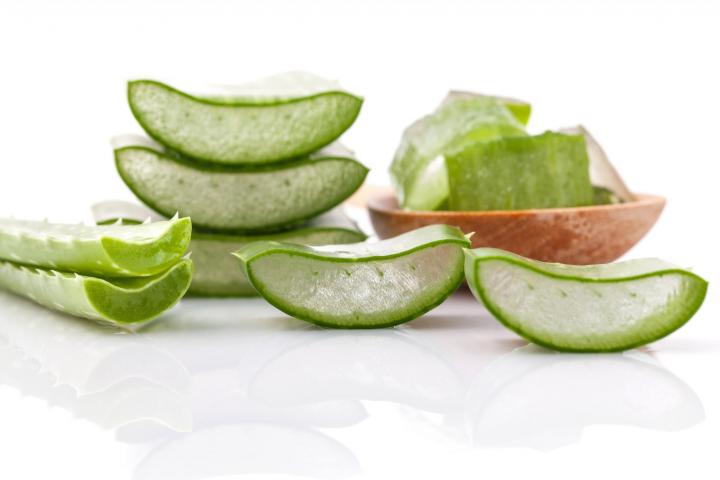
Simply remove one of the swordlike leaves from a living plant and slice it open along its length. Then either squeeze out the gelatinous material and apply it to the affected part or lay the entire opened leaf side directly over the affected part and bandage it lightly in place.
Applied topically, aloe vera gel has no serious side effects, although a few people experience allergic skin reactions to it. Try a small amount on a patch of skin first; if you notice a rash, swelling, or itching, discontinue use.
Aloe for Hair and Skin
Among the most common ingredients in commercial hair- and skin-conditioning products, fresh aloe vera gel works well as a homemade beauty aid.
Scrape it out of the leaves and use it as a hair gel or instead of your usual conditioner. Note: Aloe vera gel is thin and watery. It makes a great conditioning agent but won’t work as a thickener or styling agent. And don’t rely on aloe to prevent hair loss or regrow lost hair.
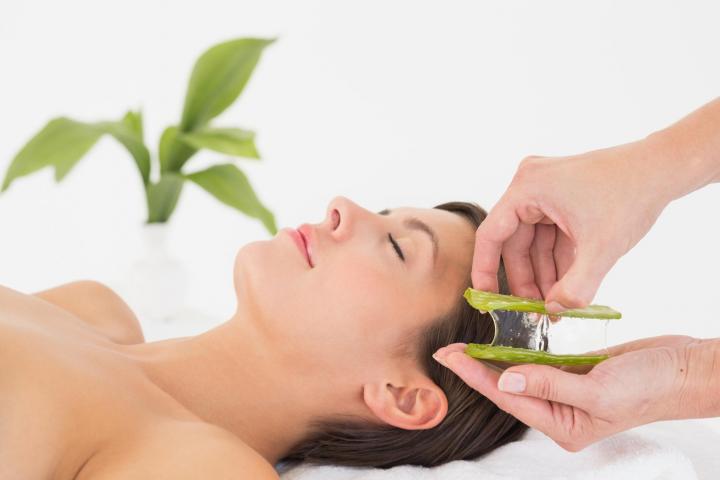
To use it as a skin moisturizer and toner, just scoop out the gel or rub a freshly cut leaf over your face and let it dry.
Aloe’s Use in Agriculture
The gel is such a safe and effective anti-fungal agent that agricultural scientists have begun experimenting with use of aloe vera extracts as natural fungicides to protect growing crops. They’ve also found that spraying Aloe vera extracts onto various kinds of ripe fruit helps protect and extend its shelf life.
Grow Your Own Aloe—Just Don’t Overwater!
Aloe vera will thrive outdoors only in frost-free regions of the U.S. But even the most horticulturally challenged can grow aloe vera as a houseplant.
Once established, the only ways to kill an aloe are by overwatering or depriving it of light. The plants reproduce enthusiastically, sending out new shoots, called “pups,” which you can snip off and replant.
If you know anyone with a thriving aloe vera plant, he or she will probably be glad to get you started. Plant it in good potting soil (one made for cacti or succulents is ideal), set it in a sunny spot and watch it grow.
For more about caring for aloe vera, see our Aloe Vera Growing Guide.




I've used wooden chopsticks or small twigs to prop mine up, Chanel. Make sure your pot and soil are deep enough to accommodate the size of the plant you want. Also, make sure it's getting enough light to prevent the stems from growing "leggy" and scrawny as they stretch to find enough light.
Aloe leaves are so full of gel, that they typically rot before they take root, Deb. You could try slicing one off with a clean, sharp knife, letting it sit in a warm, dark spot until a film forms over the cut end, then planting the cut edge a couple if inches deep in moist potting soil and see it if roots.
A better option is planting one of the tiny "pups," or root offshoots that usually form in abundance around the base of an established aloe vera. Choose an offshoot three of four inches high with four or five leaves, slice around it with a sharp paring knife and pull it out gently. You'll see it has its own roots.
Fill a new pot with potting soil (making sure to add gravel or small stones at the bottom of the pot for drainage. Make a well a couple of inches deep in the center of the pot, set the little plant into it, and firm the soil up around it.

Comments