
Caption
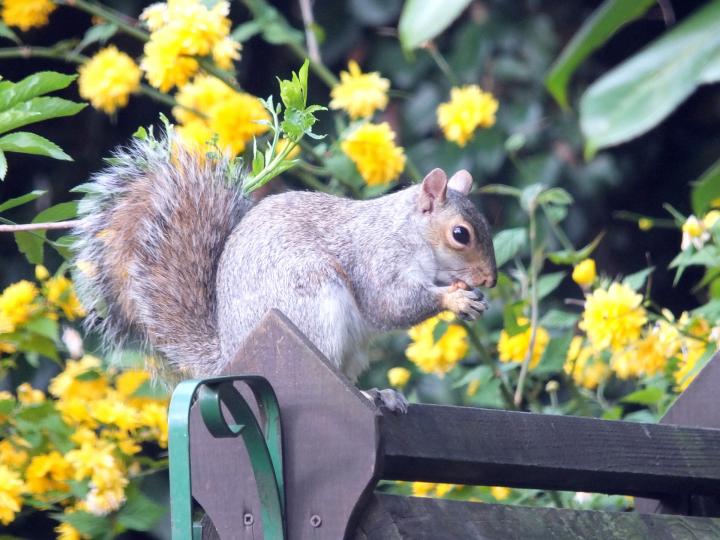
A squirrel enjoys a snack.

Read Next
Identification
Identifying Squirrels
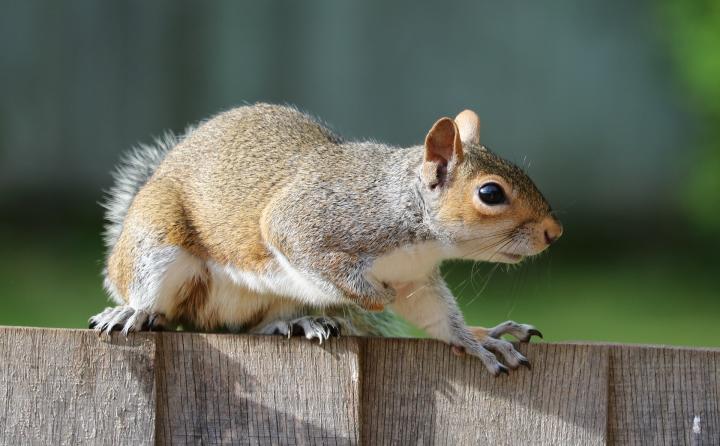
In the garden, the biggest troublemaker is the gray squirrel. Their most famous feature is their bushy tail, a luxurious puff of fur used for warmth, communication, and balance. They have fur that appears gray from a distance and white or light grey underbellies.
There are also smaller red squirrels, which are more active and noisy and cause damage in gardens.
Identifying Squirrel Damage
- Spring bulbs snacked on? You’re probably dealing with squirrels, chipmunks, or groundhogs. Squirrels eat the bulbs and also use the ready-made holes to store their foraged nuts.
- In the food garden, when you see bite marks on soft fruits such as squash, that’s often a sign of a squirrel. Yes, they’ll take one bite and leave the rest behind!
- Often, near the moment your crop is ripe, squirrels will steal the entire fruit, especially squash, tomatoes, peppers, cucumbers, and melons.
- Squirrels relish digging up seeds and young seedlings, especially in your freshly-planted beds. Their holes tend to be shallow and small (the size of a golf ball).
- They love to dig around in your flower pots, too. Squirrels and chipmunks are known to look for insects or other goodies in containers, and may uproot plants in the process. If conditions have been especially dry, they may also be digging to access the moist soil.
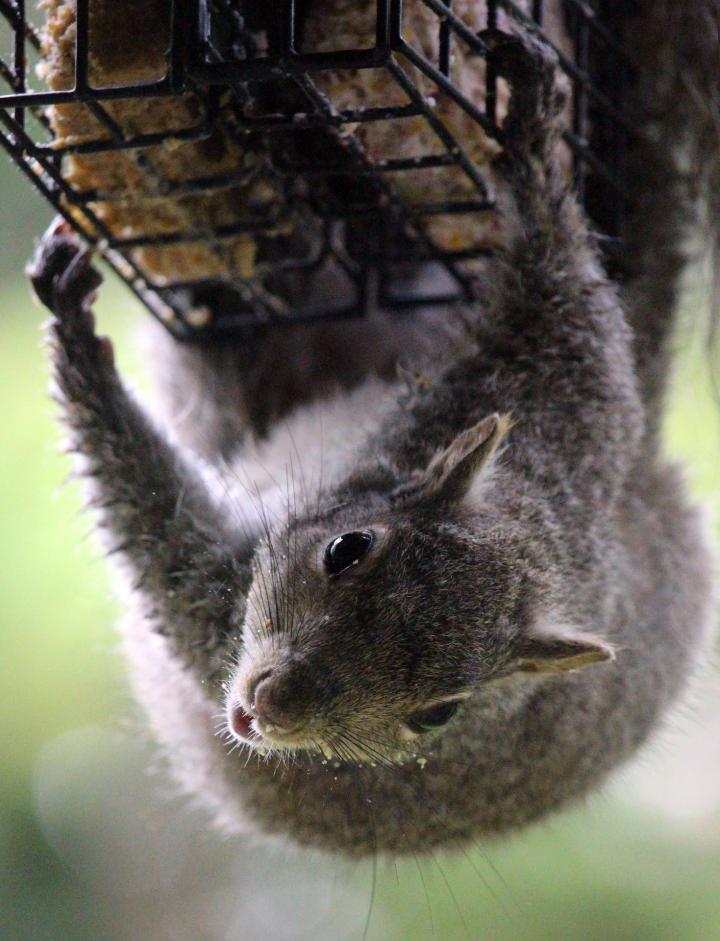
- Squirrels will attack not only your gardens, but your bird feeders as well. If you notice your bird food disappearing rather quickly or piling up beneath your feeder, you may have a squirrel problem.
Gardening Products
Control and Prevention
Keeping Squirrels Out of the Garden
The only true way to keep squirrels out of the garden is physical barriers. We use bird netting over hoops, which keeps squirrels out but still allows bees to pollinate.
Squirrels and other rodents can squeeze through extremely tight spaces, so holes in the fencing or netting must be very small. Look specifically for netting or fencing rated for rats or squirrels; standard chicken wire has holes that a determined squirrel can squeeze through.

When it comes to pots and containers, protect with a layer of netting or hardware cloth across the top of the pot. Learn more ways to keep squirrels out of pots.
Or, here’s a more-expensive pantry solution: Lay aluminum foil across the top of vegetable pots, poking holes in it to allow for water exchange. The squirrels do not like the shiny reflection
Other Ways to Keep Squirrels Out of the Garden
- Try to avoid attracting squirrels to your property in the first place. If your yard has more “food,” you’re the party house. Ensure you have tight-fitting trash cans, and never leave food or compost scraps sitting out. Bird seed is also big; keep it indoors or in a chew-proof container in a sheltered location.
- Don’t bother trapping and relocating squirrels in the garden. This is a losing battle since the population of squirrels is extremely high in most areas, and moving one will just make room for another! Also, if the animal is a female, there is a high likelihood that you will remove her from babies that depend on her for survival. Additionally, the relocation of wildlife (yes, even squirrels) may be illegal in your area.
- If the season has been particularly hot and dry, squirrels may steal tomatoes, cucumbers, or other juicy produce from the vine because they’re thirsty. Some readers have reported that placing a water dish (or bird bath) near commonly eaten crops can discourage snacking.
- Unfortunately, growing extra vegetables to “feed” the squirrels does not usually work; squirrels will simply plow through your produce and bring their friends!
- Is your yard covered in nuts and acorns from trees? If so, your place is squirrel heaven! You can either accept that your yard will be party central, pick up and move the nuts to a different part of the yard, or grow/select different types of trees.
Dogs are Natural Squirrel Deterrents!
- A dog is a great squirrel chaser, if that’s an option in your backyard! Squirrels can’t stand those pesky dogs! Save the dog’s hair when you brush or groom it, and use it to mulch around your garden beds. The squirrels won’t go near it!
- Human hair helps as well, according to one reader who shares, “I used to have a problem with squirrels digging up my bulbs. Now, once in the spring and once in the fall, I ask my hairdresser to save a big bag of hair for me. I lightly dig this into the soil. Squirrels can not stand the smell of humans, so they leave the gardens alone.”
Natural Squirrel Repellents
There are also many natural repellents on the market:
- Spread predator urine around your garden. Garden nurseries will carry repellents made with the urine of squirrels’ predators, such as foxes or coyotes. These repellents are meant to be sprayed around gardens to keep squirrels away, so they will need to be reapplied regularly. Be sure to check the collection method of the brand that you are considering to make sure that the material is collected humanely.
- Try sprinkling cayenne pepper, ground chili peppers, or pepper flakes around your plants when they are ready to bloom. Peppers have “capsaicin” which squirrels hate, so it’s a natural squirrel deterrent. Or, make a pepper spray; you can mix dried pepper with apple cider vinegar. Note: Birds can’t taste capsaicin, so add some cayenne pepper to those bird feeders to deter squirrels.
- Another deterrent is peppermint oil, which turns off squirrels. Pour some into a spray bottle with apple cider vinegar and spray around your plants. These sprays do need to be reapplied after a rain.
- One reader claims blood meal sprinkled around the garden soil works against squirrels.
- Plant squirrel-repelling flowers, such as nasturtiums, marigolds, and mustard, as a border around your vegetable garden; these plants have a strong aroma. Do not plant bulbs squirrels love such, as tulips and crocuses.
- If you’re going crazy due to squirrels, explore installing a raptor perch or owl nest box to invite natural predators who will prey on squirrels.
- Get a decoy. A fake owl may also frighten squirrels away; however, you need to move it around the garden regularly so that the squirrels don’t become wise to the trick.
Protecting Bulbs from Squirrels
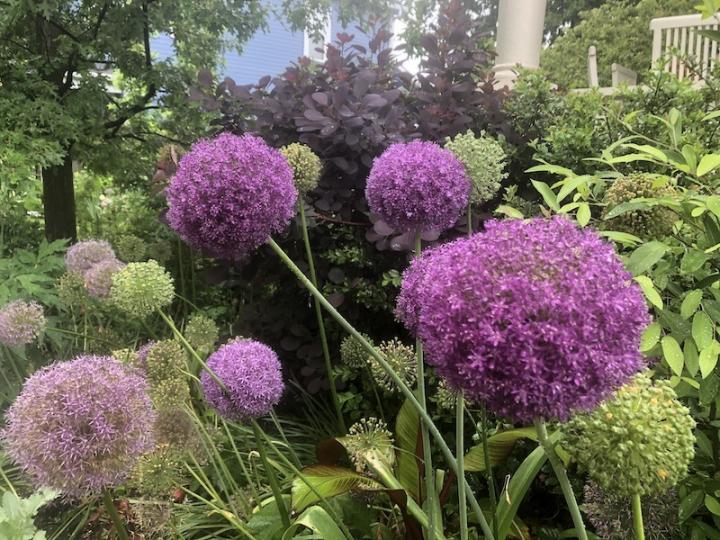
- Bulbs that squirrels (and other rodents) do not like include daffodils, fritillaria, snowdrops (Galanthus), grape hyacinths (Muscari), and ornamental alliums. Rabbits and deer also dislike these flowers because of their unpalatable taste and fragrant odor. You can also try these flowers in pots, planters, and containers. Check out our list of rodent-proof bulbs.
- Line the planting hole with wire mesh (“hardware cloth”) for more protection. Some gardeners have found that planting the bulbs in a handful of sharp, crushed gravel discourages squirrels, and this might also help provide better drainage.
- Gardeners lay down chicken wire if they’re planting many bulbs. Look for a one-inch mesh and place it below and on top of the bulbs. The plants can grow through the wires, but the squirrels can’t get to the bulbs.
- As an added layer of protection, cover the bed’s surface with black plastic netting, which is invisible and inexpensive.
- Don’t advertise your newly dug bulbs by leaving papery bits of bulb debris in or on the soil. Clean up your act, or better still, try not to lay your bulbs on the ground while you dig the holes to plant them—squirrels will smell their favorite and scamper over.
Keeping Squirrels Off Bird Feeders
- Switch bird feed from sunflower seeds to safflower seeds. Birds are happy to eat these seeds, but squirrels find them bitter.
- Keep the area under your bird feeder as clean as possible.
- Install a squirrel baffle to the feeder pole, which is an inverted cone with at least a 13-inch diameter
- Place bird feeders on isolated poles (not hanging from eaves or trees) at least 5 to 6 feet off the ground and 8 to 10 feet away from your house, trees, or structures. (Squirrels can leap that far and even farther.) Some folks use a pulley system.
- Protect feeders suspended from a horizontal wire by threading old records, compact discs, or plastic soda bottles on the wire on each side.
- If squirrels are climbing up your bird feeder poles, try rubbing them with Crisco (the poles—not the squirrels)! It doesn’t hurt the birds, and the squirrels won’t be able to get a grip.
- Also, consider the type of bird feeder. If you have the common tube feeder, metal ports around the seed dispensers will protect the feeder from nibbling squirrels and house sparrows.
- If you are buying a new feeder, the most successful feeder is an all-metal feeder with adjustable springs that regulate a counter-weighted door. When birds light on the platform, the door remains open, but under the heavier weight of a squirrel, the door drops down to conceal the food supply. These tend to be pricier, but you won’t have to replace them on account of squirrel damage. Just make sure that they are hung securely and can’t be knocked down.
Reader Suggestions
Here are a couple more squirrel repellent suggestions that readers sent in:
- Try motion-activated sprinklers, primarily designed to keep cats and rabbits out of gardens, to help scare away skittish squirrels. However, the presence of other animals or children, may result in overwatering and high water bills if they continually trigger this device.
- Get some mousetraps. Anchor them solidly to the ground in the area where the squirrels have been digging. Cover them with newspaper, and sprinkle a little dirt on top. When a squirrel comes to dig, it will set off the traps. As the mechanism snaps, it will scare and throw dirt at the squirrel. Once it’s scared enough times, it will find another digging area. Be sure to anchor the traps just in case the wind blows the newspaper off them. If the trap is anchored, the squirrel will not get hurt.
Squirrels Inside the House
Grey squirrels can produce two litters a year, often in early spring (March/April) and late summer (July/August); a typical litter size is three or four. New mothers may seek your garage, shed, chimney, or attic for protection from predators. Do not block re-entry during nesting time as the babies will be trapped and die but also the mother will furiously try to rescue them and possibly causing structural damage.
If a squirrel does become trapped, you don’t want it to die inside. Make sure it has a way to get out. Hang a rope down through your chimney so it can climb back up to the roof. Or, again, buy a live trap to get the squirrel out of your house.
Tip: There’s a trick to using a live trap (such as Hav-a-Heart) when you set the food bait because clever squirrels can grab the food while using their tail to keep the trap door open! The food (such as a scored apple) must appear like it’s easy to grab and go, but actually be affixed to the trap tigger with wire so the squirrel is forced to commit to entering the trap fully and chewing on the fruit.
In the autumn, many squirrels try to find shelter and may come inside your home. Make this more difficult for them to do by trimming branches that hang near your roof and placing a mesh guard on your chimney. Close up all holes into your home.
Call an animal control specialist if you’re desperate. Once a squirrel lives in your house for a few weeks, it and all its relatives will be attracted to your attic for at least a couple of years.
Do you have any tips for keeping squirrels away? Let us know below!
Read more about deterring rodents in our article, “How to Get Rid of Mice, Rats and Squirrels.”

More Like This


- « Previous
- 1
- 2
- …
- 10
- Next »

Comments