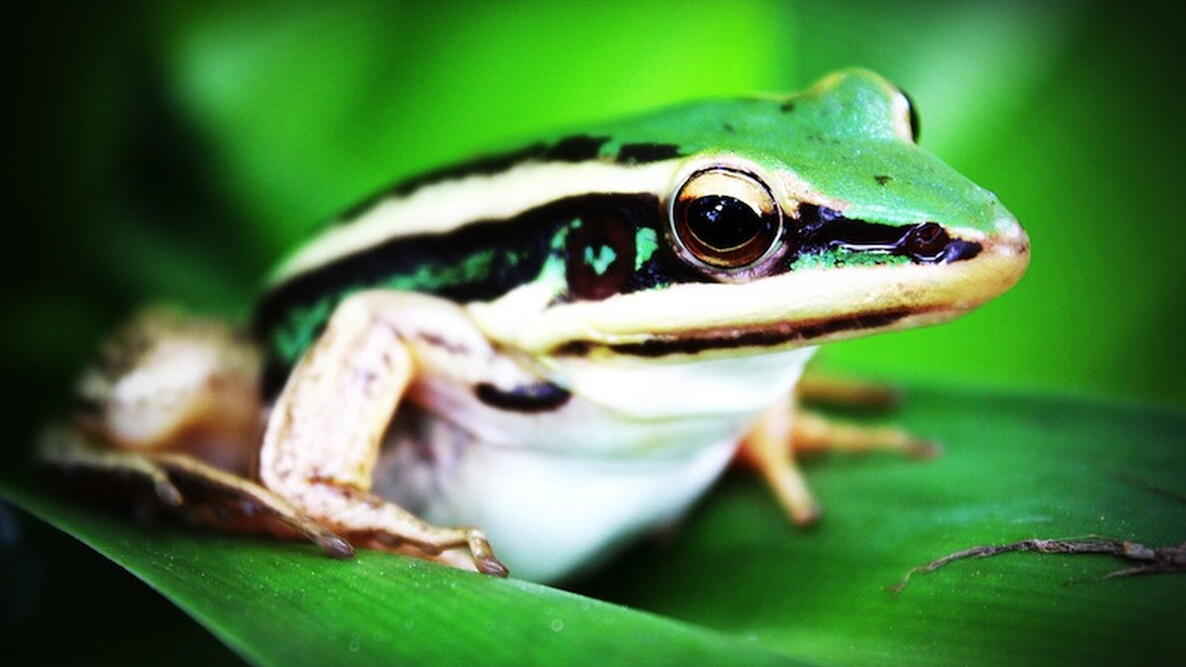

Imagine looking up and seeing frogs, worms, or even spiders falling from the sky! While it sounds like folklore, animal rain is a real, documented weather phenomenon. From frogs lifted by waterspouts to spiders spreading via “ballooning,” this article explains how and why these bizarre rains occur and shares historical accounts of nature’s strangest showers.
Reports of animal rainfalls have been recorded for centuries, with some of the oldest records dating from 77 AD by the Roman Pliny the Elder. While these stories of falling fish, frogs, and bugs are strange, over the past two centuries, scientists have confirmed that they do occur. Let’s start with frogs …
What Causes Raining Frogs?
The most common explanation is that updrafts, particularly “watery” tornadoes, aka waterspouts, suck the critters up into the sky. When the wind weakens, the animals fall. (We see a similar explanation for “blood” rain, where updrafts picked up red dust from the Sahara.)
As frogs weigh so little, they’re easily lifted into a waterspout which is a whirlwind picking up water. These events will happen before a severe thunderstorm when there is a high-pressure system. The center of the waterspout is a low-pressure tunnel within the high-pressure cone.
Just think of a tornado on land and how it can lift homes. A passing tornado can literally empty small ponds of water, so it’s not really that surprising that other small animals or even salt and stones can be sucked up into a waterspout.
When the storm loses its energy and the pressure drops, the clouds will release rain—as well as frogs and small fish and whatever else it picked up in its travels! Apparently, a waterspout has even been known to rain tomatoes!
.jpg)
Raining Worms
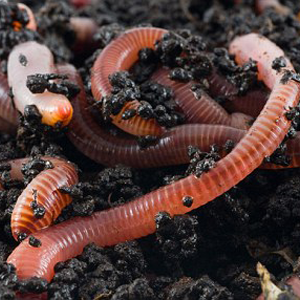
Not that many years ago, Norway experienced an April rain of worms. Biologist Karsten Erstad reported thousands of live earthworms scattered across the surface of the snow when he was out skiing. This is the time of year that worms start to emerge from the ground, so scientists speculate that the worms were swept up by the strong winds common in the mountainous areas of Norway and carried to snowy slopes.
Raining Spiders
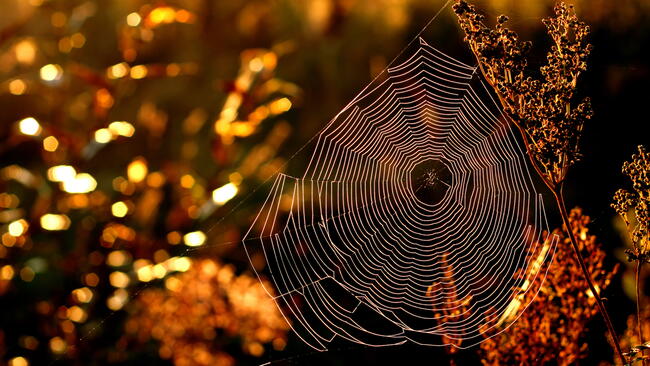
There was a different explanation for a May rain of millions of spiders in Goulburn, Australia. (Shudder!) As anyone who loved the children’s book Charlotte’s Web knows, many species of baby spiders “balloon.” They weave parachute webs that catch the breeze and spread the youngsters throughout the territory. Apparently, the population was going through a spell of fertility.
.jpg)
Raining Germs and Microbes
As creepy as the recent worm and spider rains may be, they are pleasant compared with the “germ rains.” Dust from Africa’s Sahara Desert is carried by trade winds across the Atlantic. While this is a valuable source of minerals for downwind vegetation, it also appears that germs and microbes hitch a ride. Scientists have not correlated any human outbreaks (other than asthma in the Caribbean) with this phenomenon, but they have traced at least one coral disease to heavy dust storms.
Germs, spiders, and worms! It’s enough to make a person buy an iron-plated umbrella.
Frequently Asked Questions
Can it really rain frogs or other animals?
Yes! While rare, animals like frogs, fish, worms, and even spiders have been documented falling from the sky due to storms, waterspouts, or strong winds.
Are animal rains dangerous?
Most animal rains are harmless. Large numbers of creatures may be startling, but they rarely pose serious danger to humans.
Can germs or microbes rain from the sky?
Yes. Dust storms, such as those from the Sahara, can carry microbes long distances. These are generally harmless, though they can trigger allergies or respiratory issues in sensitive people.

More Like This


Comments