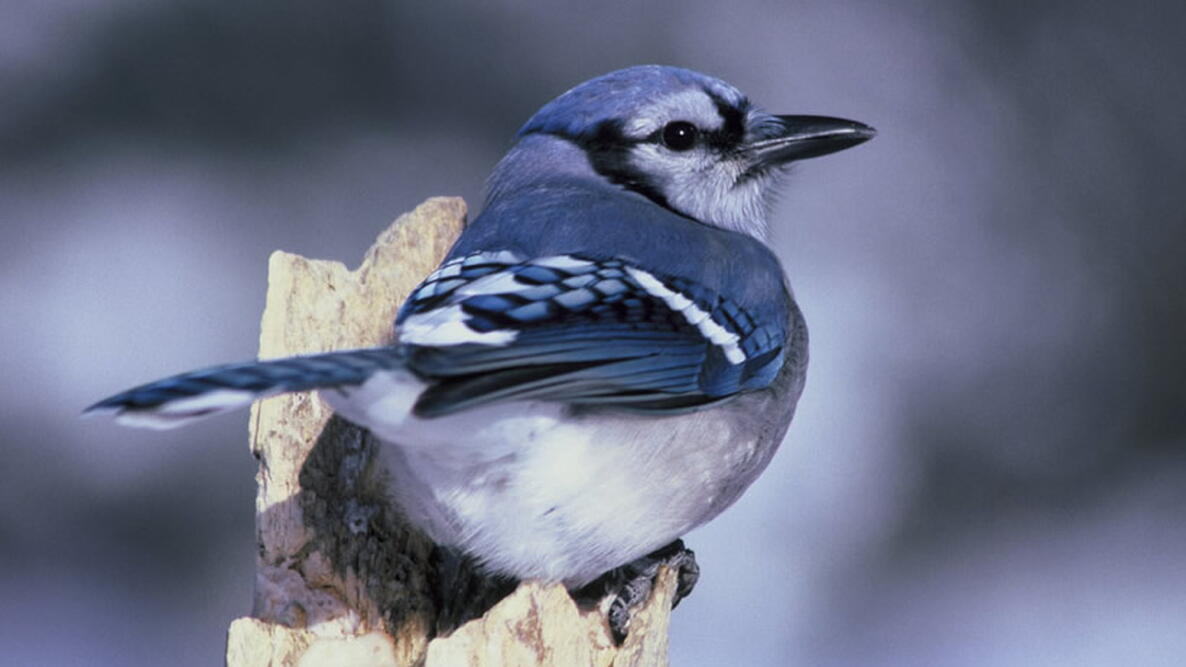

The Blue Jay, with its striking plumage and bold personality, is a common sight and sound in backyards across North America. This intelligent songbird, with its vibrant cobalt blue coat, crisp white chest, black collar, and distinctive crest, is easy to identify and a joy to watch.
Recognizing the Blue Jay
Size and Shape
Measuring around 11–12 inches, the blue jay is a medium-sized songbird with a strong, sturdy build.
Coloration
Their plumage is a breathtaking mix of bright blue on the back, wings, and crest, contrasted with a stark white chest and underparts. The head features a bold black collar and a distinctive blue crest that the bird can raise or lower depending on its mood.
Unique Traits and Calls
Blue jays are known for their loud, varied calls, often described as a harsh “jay!” or a mimicking whistle. These vocalizations are a delight for bird watchers and can also serve to warn other birds of predators.

Blue Jay Behavior and Diet
Bold Personality and Intelligence
Blue jays are highly intelligent and adaptable birds. They are often seen perched prominently on branches, keeping a watchful eye on their surroundings.
Diet: Nuts, Seeds, and More
These birds have a diverse diet that includes acorns, nuts, seeds, fruits, insects, and occasionally small vertebrates like lizards or nestling birds. Their strong beak and feet make them efficient foragers in both trees and on the ground.
Flight and Playfulness
Blue jays are agile flyers, able to maneuver skillfully through trees. They are also playful, engaging in aerial acrobatics and chasing each other through the branches.

Where to Find Blue Jays
Blue jays are widespread across North America. They inhabit deciduous forests, woodlands, parks, and backyards. They are particularly common in areas with a mix of trees, such as oak trees, which provide acorns and other food sources, and near bird feeders.
Attracting Blue Jays to Your Backyard
- Offer a variety of food sources: Place bird feeders filled with black oil sunflower seeds, peanuts, and suet cakes. Scatter nuts and acorns on the ground.
- Provide nesting sites: Plant tall trees with sturdy branches where they can build their nests.
- Create a water source: Add a birdbath to your yard to provide them with fresh water for drinking and bathing.
By creating a welcoming habitat, you can increase your chances of attracting these intelligent and entertaining birds to your backyard and witness their fascinating behaviors firsthand.
Blue Jays in the Ecosystem
Blue jays play a crucial role in seed dispersal, particularly acorns, which help sustain forests. Their behavior and calls also contribute to alerting other animals to potential dangers, supporting local wildlife ecosystems.

Frequently Asked Questions
What do Blue Jays eat?
Blue jays eat nuts, seeds, fruits, insects, and sometimes small vertebrates.
Where do Blue Jays build nests?
They prefer tall trees with strong branches in forests, woodlands, or even backyard trees.
How can I attract Blue Jays to my backyard?
Offer a variety of bird food, provide nesting trees, and add a fresh water source like a birdbath.
Can Blue Jays mimic other bird calls?
Yes, blue jays are known for mimicking hawks and other birds, which can scare predators or communicate with other birds.
Are Blue Jays aggressive?
They can be territorial, especially during nesting season, but are generally not harmful to humans.
Here, you can identify the sounds and bird song of the blue jay. Compliments of The Macaulay Library at The Cornell Lab of Ornithology.
Click here to listen to the sounds of other birds!
Have you heard a blue jay? Have you spotted a blue jay in your yard? Tell us where and when below!

- « Previous
- 1
- 2
- …
- 10
- Next »

Comments