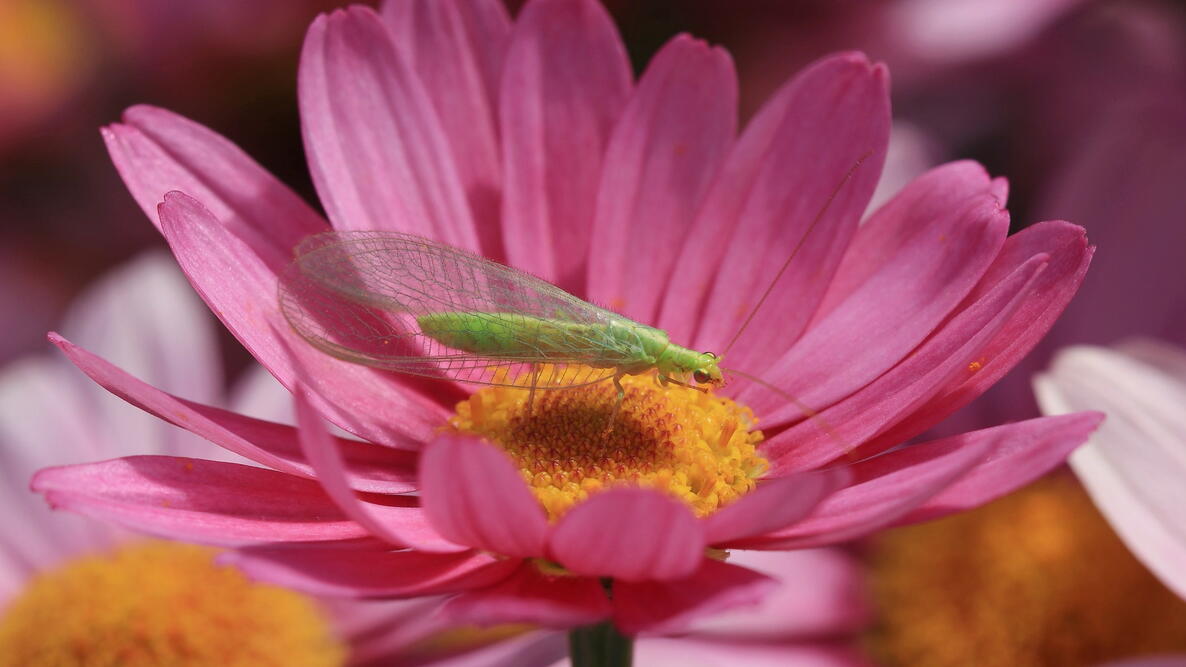
Caption
Green Lacewing

Which are the most beneficial insects for your garden? Do you have a mix of plants and flowers that will recruit these little helpers? Let’s make sure you do.
What Are Beneficial Insects?
Beneficial insects are helpful garden bugs that either pollinate plants, control pests, or both. In fact, most insects in a backyard are not harmful—only about 10% are destructive. The rest are either beneficial or harmless, playing an essential role in a healthy garden ecosystem.
These insects fall into three main categories:
- Pollinators – bees, butterflies, flies, and moths that help plants reproduce
- Predators – insects that eat garden pests
- Parasitizers – insects that lay eggs in or on pests, controlling them naturally
Why Beneficial Insects Matter
Beneficial insects provide natural pest control and reduce the need for chemical sprays. A healthy garden ecosystem depends on balancing pests with their natural enemies.
Quick answer: Beneficial insects help control pests and pollinate plants, making gardens healthier and more productive.
Meet the Beneficial Bugs in Your Backyard
Everyone knows their bees from their butterflies, but what about the many other beneficial bugs? Likely, you’ve already seen these good guys in your garden, but maybe you weren’t formally introduced. Here are a few you might want to become acquainted with:
Ladybugs
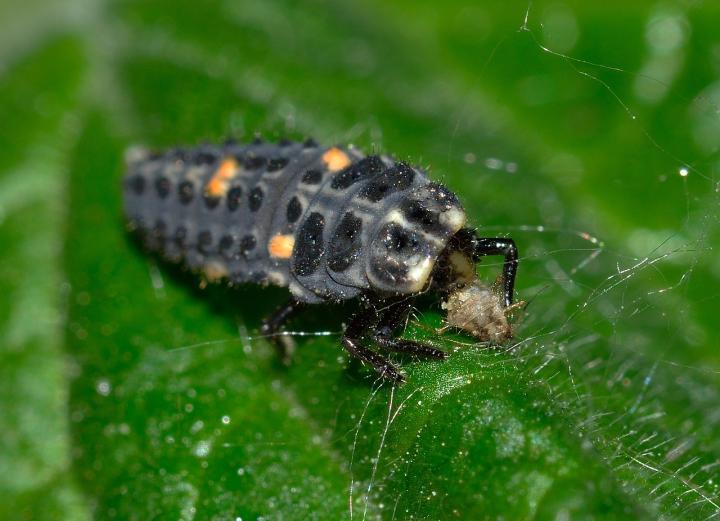
Despite their delightful name and appearance, ladybugs are ferocious predators! Before they get their bright red colors, they start out life as larvae (pictured below), cruising around on plants and feasting on aphids. Did you know that a ladybug larva can eat up to 40 aphids an hour?
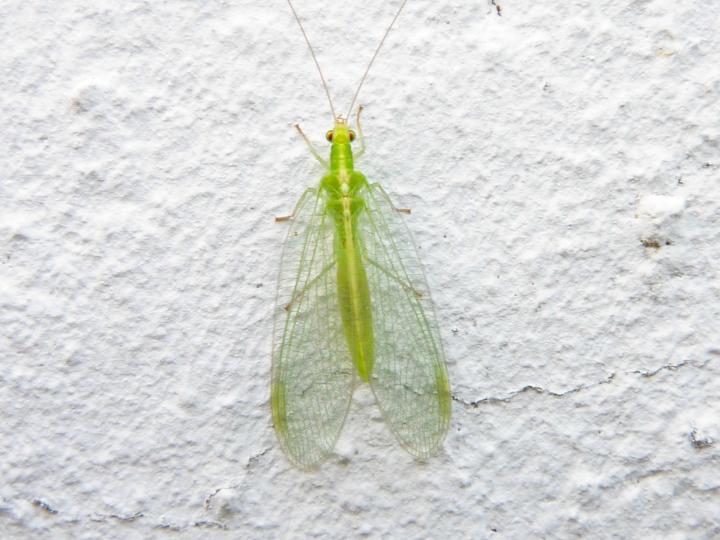
Green Lacewings
Adult green lacewings feed on pollen and nectar, but their larvae, which look like a mix between a slug and an alligator, prey upon soft-bodied garden pests, including caterpillars and aphids.
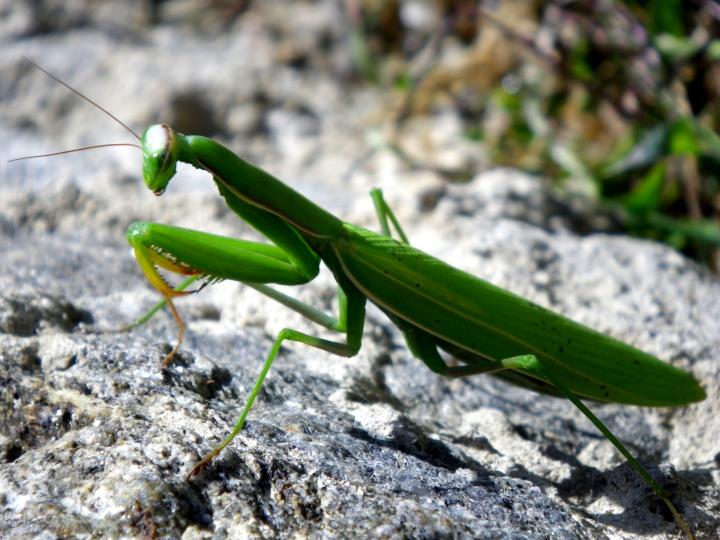
Praying Mantids
A praying mantis will make short work of any grasshoppers troubling you; these fierce predators will also hunt many other insect pests that terrorize gardens, including moths, beetles, and flies. Note, however, that praying mantids are ruthless and will also eat other beneficial creatures, like butterflies, bees, and hummingbirds—and even each other!
Spiders
Spiders—though technically arachnids rather than insects—are often overlooked as beneficial, but they are very effective pest controllers. Since they are attracted to their prey by movement, they eat many live insects. Jumping spiders and wolf spiders (pictured) are especially good at keeping pests under control.
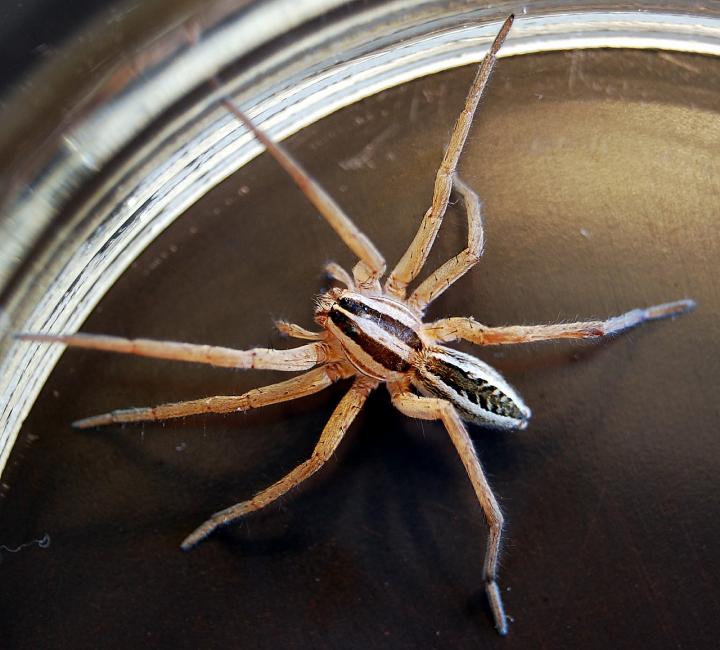
Ground Beetles
“Ground beetles” is a large group of predatory beetles that are beneficial as both adults and larvae. They will eat a wide range of insects, including caterpillars, nematodes, silverfish, slugs, thrips, and weevils. While insects like Japanese beetles should be controlled in the garden, don’t crush every beetle you see!
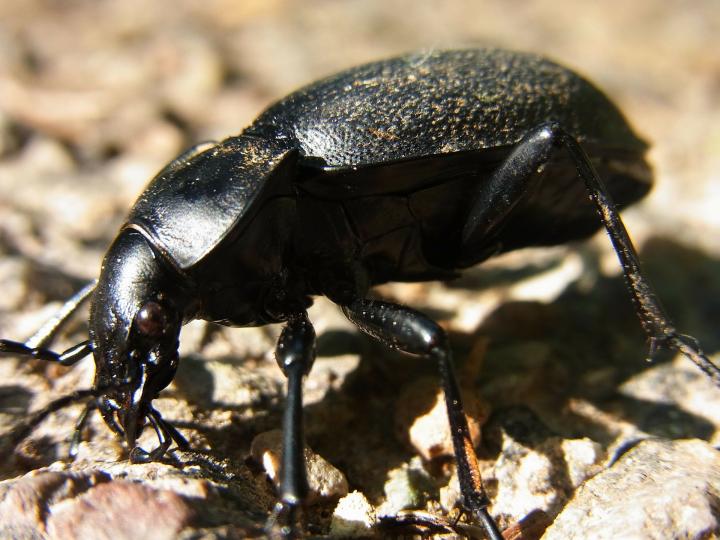
Soldier Beetles
Soldier beetles are an important predator of aphids, caterpillars, Colorado potato beetles, and Mexican bean beetles. Like many beneficial bugs, they are attracted to plants that have compound blossoms, such as Queen Anne’s lace and yarrow.
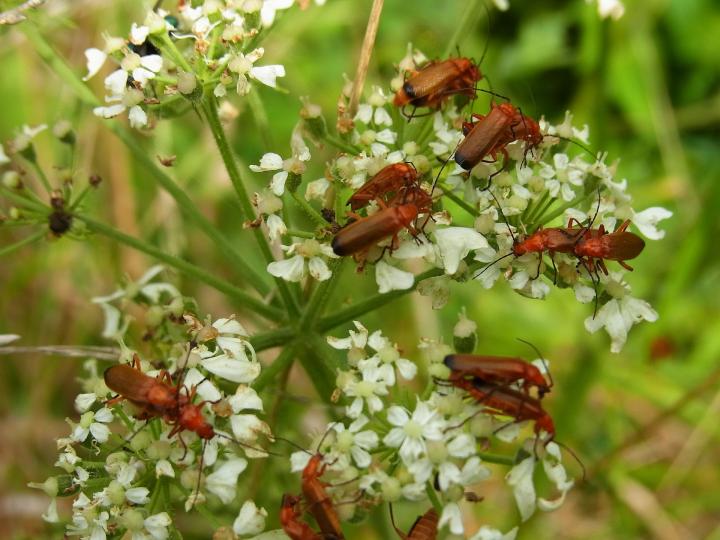
Assassin Bugs
Assassin bugs look like a strange mix between a praying mantis and a squash bug. They use their sharp mouthparts to prey upon many different types of insect pests in the garden. They can be mistaken for squash bugs in their adult form, so look carefully before you squish!
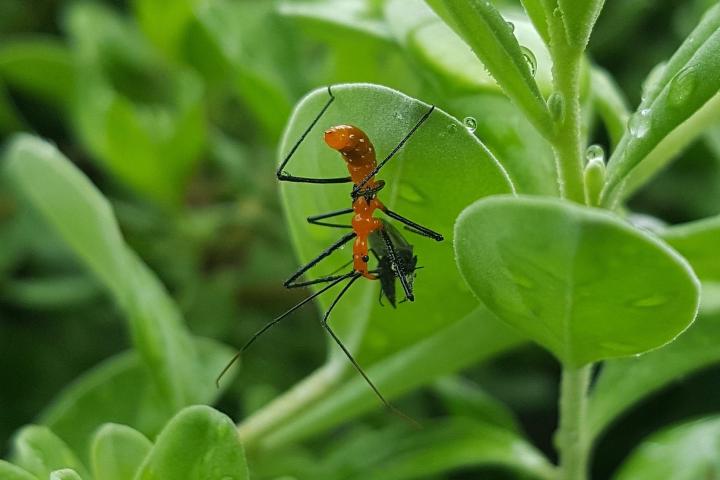
Robber Flies
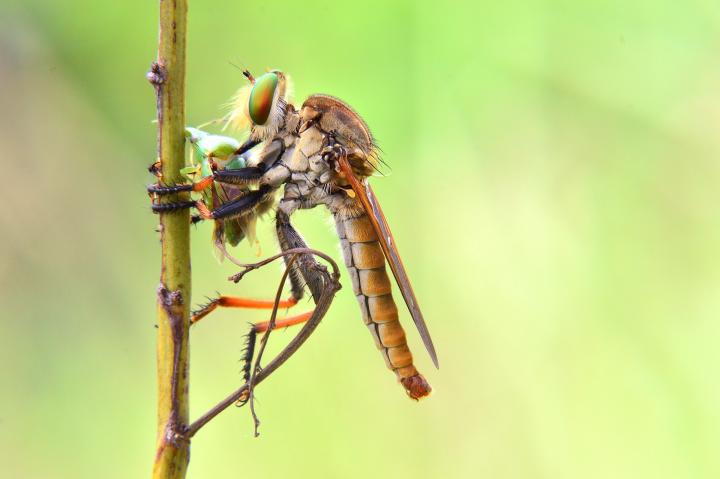
With their extra-long legs, robber flies are bug-eating machines that we’re thankful to have on our side. They may look intimidating, but unlike horseflies, they do not attack humans (although they can bite when threatened). Instead, they go after a number of common garden pests. Try not to shoo this fly!
Hoverflies
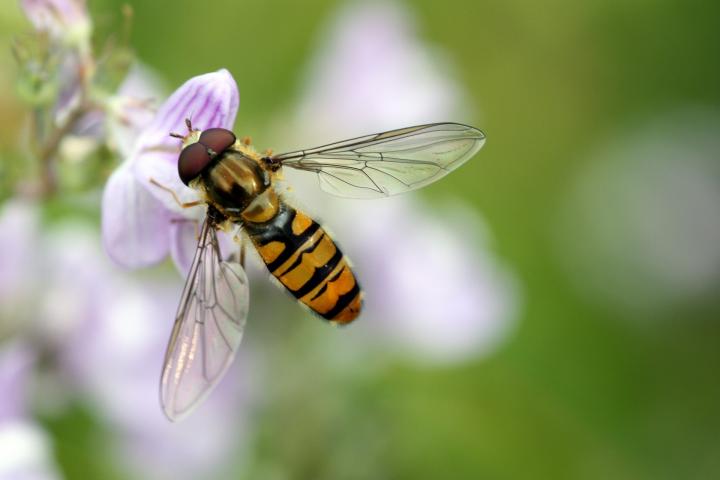
Another good fly in your garden, the hoverfly, looks like a tiny yellow jacket without a stinger. They feed on pollen and nectar and are crucial pollinators. Their larvae are voracious predators, killing aphids, beetles, caterpillars, and thrips by sucking the juice from their victims.
Parasitic Wasps
Parasitic wasps are very tiny, so you probably won’t see them at work. However, they are very effective in pest control.
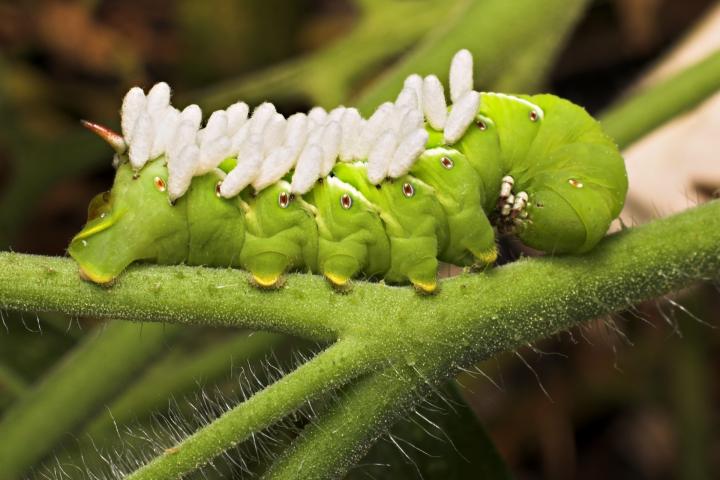
- Braconid wasps lay their eggs on the backs of tomato hornworms and other caterpillars, forming those white cocoons you see on the caterpillar’s back (pictured below). If you see a parasitized caterpillar, don’t kill it. Instead, move it to elsewhere in your garden. The wasp larvae will take care of them for you and turn into more wasps, who will continue to do their good work in your tomato patch.
- Trichogramma wasps are minuscule wasps (several of them can fit on the head of a pin) that lay their eggs inside the eggs of over 200 different insect pests, preventing the pests’ eggs from ever hatching in the first place.
- The tachinid fly looks like just a small housefly but is an active parasitizer of corn borers, gypsy moth caterpillars, grasshoppers, Japanese beetles, Mexican bean beetles, squash bugs, and green stinkbugs.
Plants That Attract Beneficial Insects
To attract beneficial insects, grow a variety of flowering plants that provide nectar and pollen.
Best plants include:
A diverse garden ensures beneficial insects stay year-round.
Like all living creatures, beneficial insects have a basic need for water, food, and shelter. By providing these things, your garden will become an inviting home for them.
Why You Should Avoid Pesticides
Remember that if you resort to using chemical pesticides to control insects, you will often kill good and bad bugs alike. Even the so-called “natural” pesticides like pyrethrum and rotenone will kill many beneficial insects. Broad-spectrum sprays often kill both pests and the insects that control them, disrupting the garden ecosystem.
Frequently Asked Questions
What are beneficial insects?
Beneficial insects are garden insects that help control pests or pollinate plants naturally.
Do ladybugs really help gardens?
Yes, ladybugs eat large numbers of aphids and other soft-bodied pests.
Are praying mantises always helpful?
They are predators but are not selective and may also eat beneficial insects.
In her book Green Thoughts, Eleanor Perenyi writes, “Every insect has a mortal enemy. Cultivate that enemy, and he will do your work for you.”

More Like This

It sounds like pill bugs or sow bugs. If they roll into a ball when touched they are pill bugs. They usually don't harm garden plants. Since they mostly dine on organic debris, it is a sign that your soil is high in organic matter.
Thank you for bringing this to our attention. Here is a website that explains this problem better than I can. It also has a few ideas for discouraging the leucospid wasp. http://bugoftheweek.com/blog/2016/6/9/mason-bee-peril-parasitic-wasps-ileucospis-affinisi
- « Previous
- 1
- 2
- …
- 10
- Next »

Comments