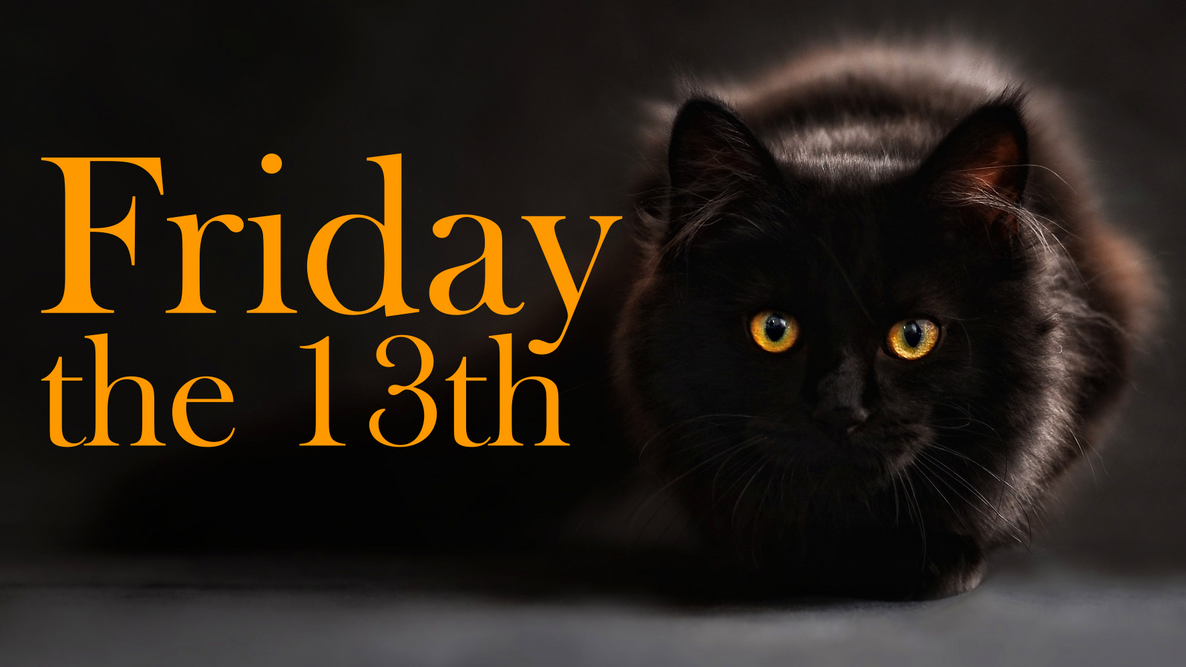

It’s Friday the 13th—a date that instantly sparks superstition, suspense, and a little curiosity. But why does this day have such a spooky reputation? From ancient myths and historical events to pop culture and horror movies, Friday the 13th has long been linked to bad luck. Let’s explore where this fear came from and whether the day truly deserves its ominous status.
Friday the 13th is considered unlucky due to a blend of religious tradition, historical events, and folklore surrounding both Fridays and the number 13.
When is the Next Friday the 13th?
| Year | Friday the 13th Dates |
|---|---|
| 2026 | Friday, February 13 Friday, March 13 Friday, November 13 |
| 2027 | Friday, August 13 |
| 2028 | Friday, October 13 |
| 2029 | Friday, April 13 Friday, July 13 |
Friday the 13th Origins
Let’s look back at the origins of this ominous date. Although no one knows for certain, the fear of the number 13 and the fear of Friday likely combined around the late 1800s into this new phobia; no clear mention of it had been discussed in published works before then.
Norse Mythology
Do you know the story of Loki? At a dinner with 12 of the Norse gods, Loki was not invited. However, the troublemaker showed up, fighting ensued, and one of the most popular gods (Baldur) was killed that day.
Knights Templar
The predominant 20th-century theory suggests that the superstition around Friday the 13th stemmed from an event that occurred on Friday, October 13, 1307, when thousands belonging to an influential religious, military order called the Knights Templar (officially, the Poor Knights of Christ and of the Temple of Solomon) were arrested for blasphemy and other affronts at the command of France’s king, Philip IV. Many were later tortured, coerced into making false confessions, and executed.
When the knights were burned at the stake in Paris, the order’s leader, Jacques de Molay, cried out, “God knows who is wrong and has sinned. Soon, a calamity will occur to those who have condemned us to death.” The holy warrior’s curse and wrongful death put a hex on Friday the 13th through the ages.
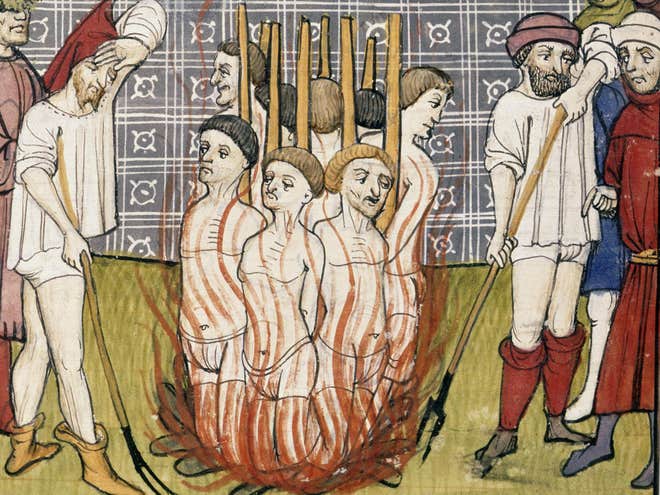
Courtesy of: British Library/Robana/Rex
The Last Supper
Another superstition associates Friday the 13th with the Last Supper, attended by 13 people—Jesus Christ and his 12 disciples. The number 13 is associated with Judas Iscariot, who betrayed Christ shortly after the Last Supper. Christ was handed to Roman soldiers the next morning and crucified on Good Friday.
Fear of Friday the 13th
No matter how the phobia came about, superstitions concerning it still abound. On Friday the 13th, some people refuse to cut their hair or nails, dine out, buy a house, start a job, conduct business, marry, or participate in any event. Other folks are so terrorized that they fear even crawling out of bed or going anywhere on this day (including Winston Churchill, who considered traveling on Friday the 13th unlucky).
As you may be aware, quite a few of today’s skyscrapers and hotels don’t have 13th floors or a room 13. More than 60 million people worldwide have a phobia of Friday the 13th to varying degrees.
The fear of Friday the 13th is officially called friggatriskaidekaphobia. Frigga refers to the Norse god for which Friday is named, and triskaidekaphobia means fear of the number 13.
An alternate term for the anxiety is paraskevidekatriaphobia. Originating from Greek, paraskevi means Friday, dekatria refers to “thirteen,” and phobia translates as “fear.”

It Isn’t All Bad…
Many of those who were born on Friday the 13th, or whose birthdays fall on the 13th and occasionally occur on a Friday, consider themselves immune to any negative repercussions.
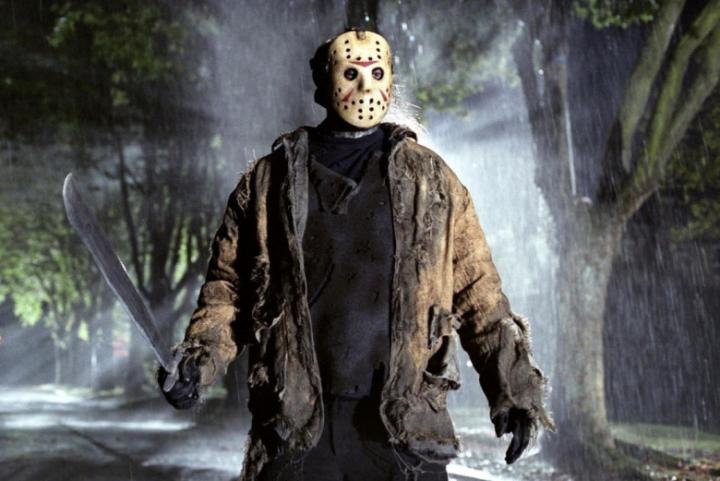
In some countries, the day is considered normal or even lucky! In other countries, the ill-fated date is a different one! In Italy, it is Friday the 17th. In some Hispanic countries, Tuesday the 13th is the unlucky one. In fact, the title of the 1980 American horror film Friday the 13th (now a cult classic) was changed to Martes 13 (Tuesday the 13th) for Spanish-speaking audiences.
Calendar Clues
There are 14 possible configurations for the annual calendar that determine how many Fridays the 13th will occur in the year.
- 6 of 14 years have one Friday the 13th.
- 6 of 14 years have two Fridays the 13th.
- 2 of 14 years have three Fridays the 13th.
- Months that have a Friday the 13th begin on a Sunday.

Friday the 13th Fun Facts
Sure, plenty of good things happened on Friday the 13th, but to someone with friggatriskaidekaphobia, that matters not!
- The horror novelist Stephen King is a triskaidekaphobe. He’s also a friggatriskaidekaphobe.
- Franklin Roosevelt had such an irrational fear of Friday the 13th that he would avoid traveling on Fridays.
- Jack the Ripper claimed his final victim on Friday the 13th in 1888.
Frequently Asked Questions
Why is Friday the 13th considered unlucky?
Friday the 13th combines two long-standing superstitions: Friday being an unlucky day and the number 13 being associated with misfortune. Over time, folklore, religion, and historical events blended these fears into one infamous date.
What is the origin of Friday the 13th?
The superstition likely emerged in the late 1800s. Common explanations include Norse mythology, the arrest of the Knights Templar on Friday, October 13, 1307, and religious associations with the Last Supper.
What is the fear of Friday the 13th called?
The fear is known as friggatriskaidekaphobia. Another term, paraskevidekatriaphobia, comes from Greek and also refers specifically to fear of Friday the 13th.
How often does Friday the 13th occur?
Friday the 13th can happen one to three times in a single year, depending on how the calendar falls. Some years have none at all.
Is Friday the 13th unlucky everywhere?
No. In some cultures, Friday the 13th is considered normal or even lucky. In Italy, Friday the 17th is seen as unlucky, while in many Spanish-speaking countries, Tuesday the 13th carries the superstition.
Are there any good things about Friday the 13th?
Absolutely! Many people are unfazed by the date—or even consider it lucky. Plenty of positive events and birthdays fall on Friday the 13th, proving it’s not all doom and gloom.
Did we miss any fun facts? Share with other readers below!

More Like This





- « Previous
- 1
- 2
- …
- 10
- Next »

Comments