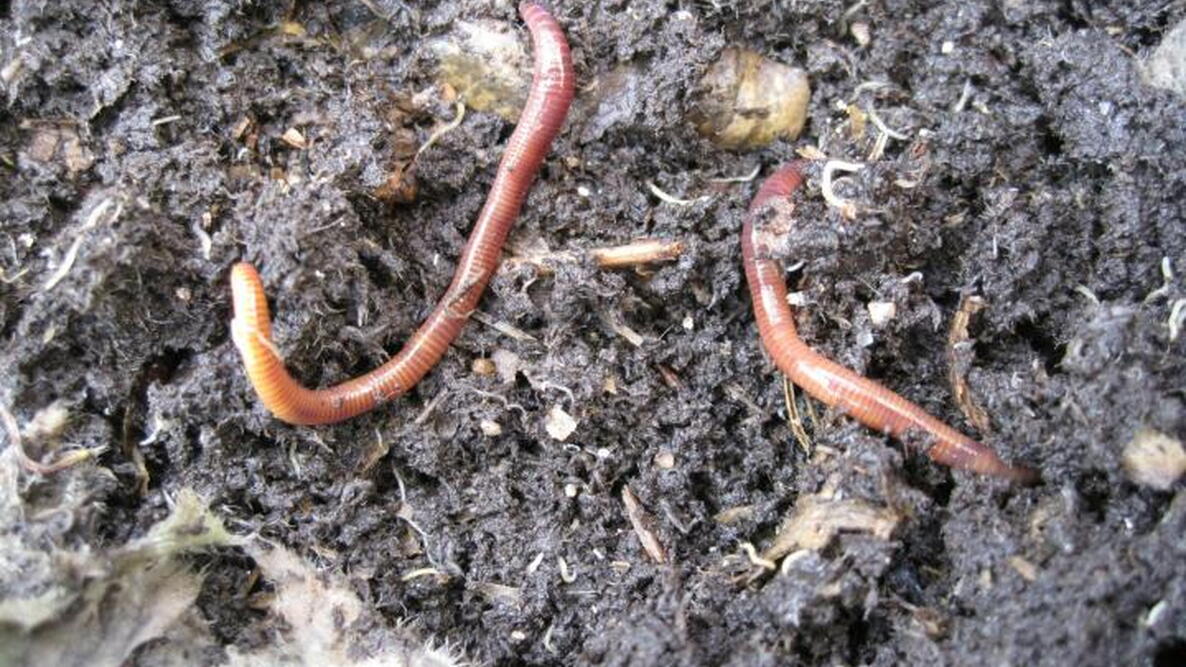

Have you abandoned your compost pile because you’re tired of trudging outside? How about using worms to turn your kitchen scraps into fertilizer. Try vermicomposting!
What is Vermicomposting?
Vermicomposting is using worms to turn your kitchen scraps into fertilizer. Earthworms eat your garbage is an easy way to recycle food waste indoors year round. It is great science project for the kids, too. If you don’t get too attached to the little critters, you can even sell your extra worms to other composters and fishermen (they make great bait!).
Aristotle nailed it when he called worms the “intestines of the earth.” Consisting of an alimentary tube surrounded by muscular rings, the earthworm was built for digestion and everything in its path is something to be devoured. Ingested materials undergo chemical changes during digestion, resulting in a humus of neutral pH that is rich in water-soluable plant food immediately available for plant nutrition.
Worms are one of the strongest “animals” for their size, characterized as being as flexible as silk but as strong as steel. Charles Darwin studied earthworms for 45 years and one German researcher claimed that worms could sing! (I have kept a wormbox for years and have gotten some awesome compost but I still haven’t heard any singing from them.)
How to Set Up a Worm Compost Bin
A basic wormbox is easy to make from an 18 gallon plastic storage container or you can purchase a ready-made box.
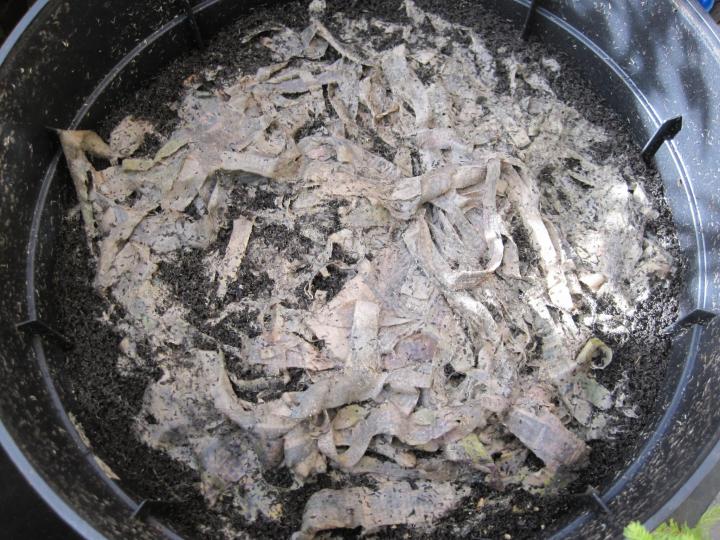
Fill the box with about 6 inches of damp, shredded newspaper mixed with a shovelful of dirt. I have killed worms by letting them get too dry and also letting them get too wet. Their bedding must be kept moist but not soggy; about as damp as a moist sponge. If it gets too wet you can always add more dry newspaper.
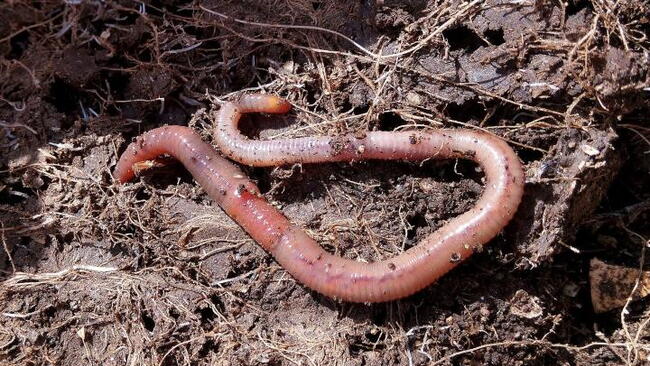
Red worms or red wrigglers (Lumbricus rubellus) are the best for home composting because they eat a lot, reproduce fast, don’t smell, and won’t try to escape. One pound of worms (about 1,000) will eat 1/2 pound of food scraps per day. Within a few months you will have four times the number of worms capable of eating four times as much. These worms are not cold hardy and need to be kept in a place that is between 50 to 80 degrees. Since they are nocturnal and sensitive to light, they come to the surface to feed at night and should be kept in a dark place.
Bury the scraps in the top 1 to 3 inches of bedding to prevent odors and fruit flies.
What Worms Eat in Vermicomposting
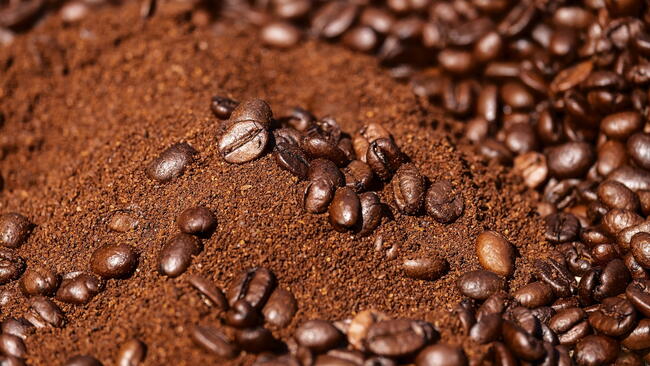
Some of their favorite foods are coffee grounds, tea leaves, pasta, rice, bread, and cereal. Some commercial growers use cornmeal to fatten them up before shipping.
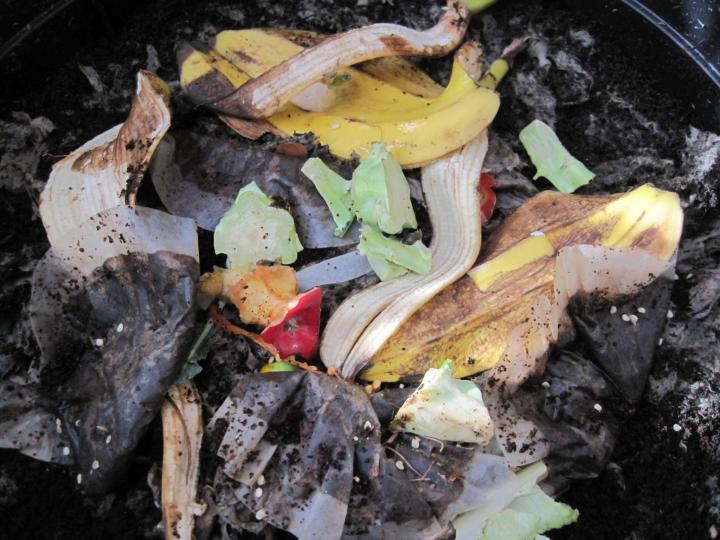
Crushed eggshells, banana peels, melons, plant clippings, and vegetable & fruit scraps are also favored fare. Go easy on citrus peels and never feed them meat, bones, oils, fat, or vinegar. Avoid feeding them meat, dairy, oily foods, citrus in large amounts, or anything treated with pesticides.
Food scraps are more quickly digested if cut up small. One worm farmer I know buzzes his kitchen scraps in the food processor before adding them to the worm box.
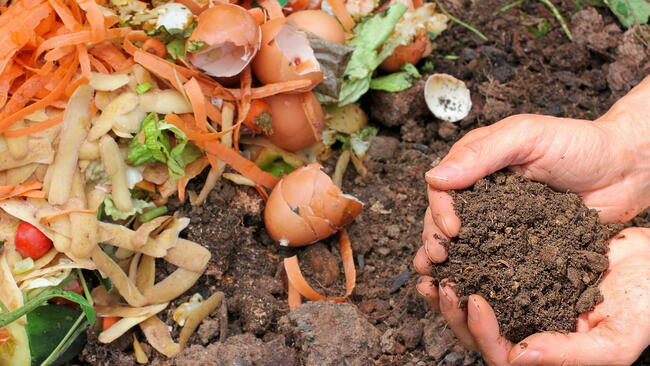
In 4 to 6 months you’ll have a box full of finished compost high in calcium, iron, potassium, phosphorus, nitrogen, and magnesium.
Separate worms from the finished compost by moving the bedding to one side of the bin and adding new bedding and food to the other side. Over a few weeks, worms migrate to the new food, leaving nutrient-rich compost behind.
Top dress your houseplants and garden plants with it, add it to potting soil when repotting plants, or make a compost tea from it to water your plants. You’ll be amazed at the results!
Frequently Asked Questions
What is vermicomposting?
Vermicomposting is the process of using worms, usually red wiggler worms, to break down kitchen scraps into nutrient-rich compost. It’s an eco-friendly way to recycle food waste indoors and create natural fertilizer for plants.
Which worms are best for vermicomposting?
Red wiggler worms (Lumbricus rubellus) are the most popular choice for vermicomposting. They reproduce quickly, consume large amounts of food scraps, and are easy to care for in indoor worm bins.
How do I set up a vermicomposting bin at home?
Use an 18-gallon plastic bin or a ready-made worm bin. Add 6 inches of damp shredded newspaper or cardboard and a small amount of soil. Place red wiggler worms inside and bury food scraps 1–3 inches deep. Keep the bin moist, dark, and between 50–80°F.
How long does it take for worms to make compost?
Typically, it takes 4–6 months for worms to convert food scraps into usable worm castings. The process can be faster if food is chopped into smaller pieces and the bin is maintained properly.
Can vermicomposting be done indoors year-round?
Yes! Indoor vermicomposting is ideal year-round because worms need a stable temperature (50–80°F) and protection from extreme weather conditions.
What are the benefits of worm compost?
Worm compost, also called worm castings, is rich in nitrogen, potassium, phosphorus, calcium, and magnesium. It improves soil structure, boosts plant growth, and can be used as a top dressing or mixed into potting soil.
Can I sell my extra worms or compost?
Absolutely! Many people sell surplus red wiggler worms to gardeners or fishermen, as they make excellent bait. Worm compost can also be sold to gardeners looking for organic fertilizer.
How do I prevent odors or pests in a worm bin?
Avoid overfeeding and bury food scraps in the bedding. Keep the bin moist but not soggy and turn the bedding occasionally to improve airflow. Avoid feeding meat, dairy, or oily foods, which can attract flies and produce odors.


Comments