Swimmer’s itch is a common, itchy rash that shows up after swimming in lakes or ponds, especially in shallow areas where snails and waterfowl gather. Caused by microscopic flatworm larvae that can burrow into human skin, this harmless but highly irritating condition can last for days or even weeks. If you or your kids spend time swimming in natural water, it’s important to know how to prevent swimmer’s itch and treat symptoms quickly and naturally.
What Is Swimmer’s Itch?
Every spring we welcome a few passing ducks and geese to our small backyard pond. Often a pair or two will hang around for a few weeks. When the water gets warm enough for swimming, I know I’ll need to take preventive measures before and after my frequent midsummer swims to keep from getting a bad case of swimmer’s itch.
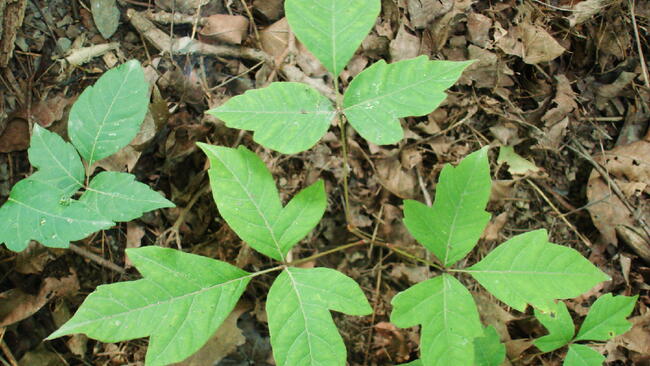
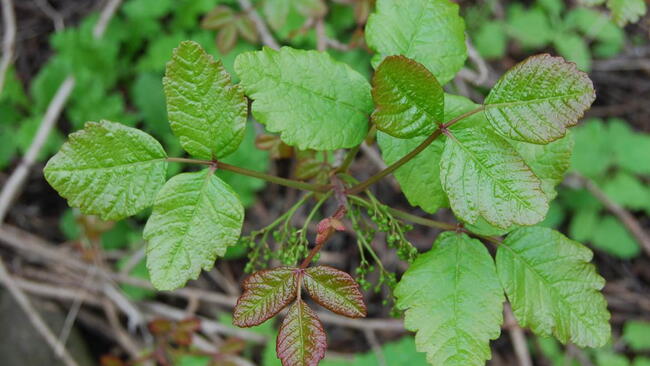
Once you’ve had a raised rash that can itch for a couple of weeks (it’s a lot like poison ivy), you won’t want to get it again.
The cause? The larval, aquatic form of a flatworm whose life cycle involves both snails and (in most cases) birds.
Cases have occurred in every state in the U.S. and all the Canadian provinces, most of them in the northern tier of states.
People who get it tend to swim regularly, have sensitive skin, and wade or hang out in shallow water (especially kids), since the parasites tend to concentrate near the shoreline.
The flatworm larvae cause an allergic reaction, but because humans aren’t a suitable host for the worms, they die without infecting you.
The rash shows up any time from a couple of hours to 2 days after exposure. On me, anyway, it looks a lot like a poison-ivy rash. Vigorous scratching can lead to infection.
The rash can get more severe each time you get it, but it’s never contagious. You can’t give it to or get it from others.
If you get a bad case of swimmer’s itch, soak in a tepid oatmeal bath. For just a few spots, spritz on apple cider vinegar or swab with a damp washcloth dipped in baking soda.
To prevent swimmer’s itch:
- Try to avoid swimming in areas where lots of ducks and/or geese congregate (usually because people are feeding them), or near marshy areas that may harbor lots of snails.
- Slather on the “waterproof” sunscreen before you send your kids into lakes and ponds. It seems to help prevent the flatworms from penetrating the skin.
- Shower right after swimming, if possible. If you can’t (or even after you do), rub down vigorously all over with a rough towel.
Frequently Asked Questions
How long does swimmer’s itch last?
Swimmer’s itch usually lasts a few days to up to two weeks depending on severity.
Can you get swimmer’s itch in a pool?
No, swimmer’s itch is caused by parasites found in natural freshwater like lakes and ponds.
Why does swimmer’s itch get worse each time?
Repeated exposure can increase sensitivity and make allergic reactions stronger.
What does swimmer’s itch look like?
It appears as red, itchy bumps or small blisters, often similar to poison ivy.
How do you stop swimmer’s itch from spreading?
While it is not contagious, avoid scratching to prevent skin irritation or infection.






Comments