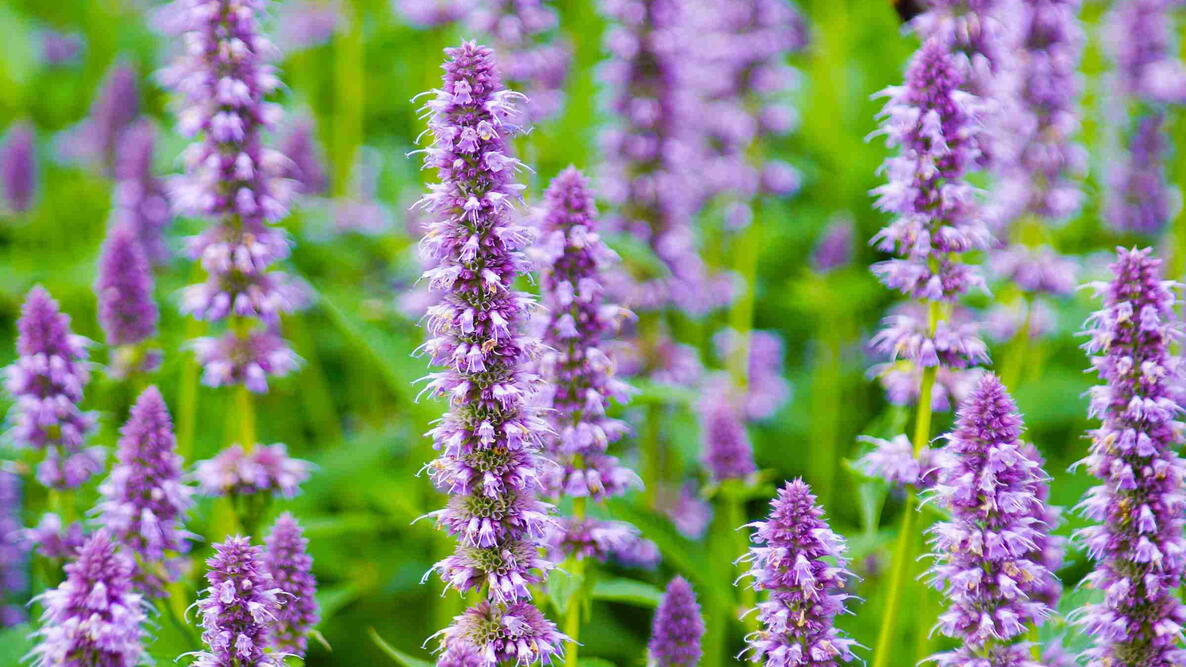
Caption
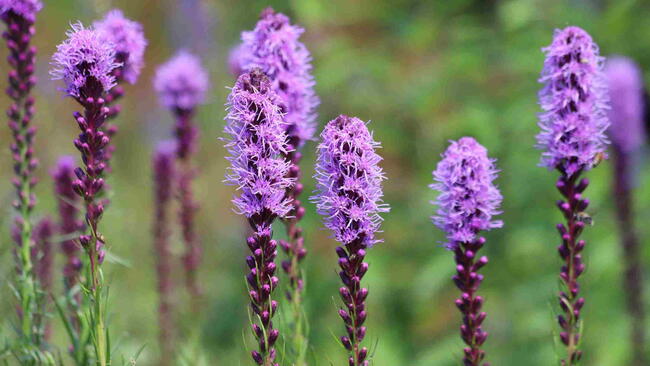
Purple-blue blooms of Anise Hyssop (Agastache), an aromatic garden herb with a sweet, licorice-like fragrance.

Bright purple-blue spikes and a sweet, licorice-like scent make anise hyssop a standout in any garden. Buzzing with pollinators, this perennial herb adds color, fragrance, and life to your outdoor space.
Some gardeners grow anise hyssop for its edible, anise-flavored leaves and flowers, which can be used in herbal teas, cocktails, or as garnishes for salads and fresh dishes. But you don’t need to love licorice to enjoy this versatile, fragrant garden favorite!
Thriving in sun or partial shade with well-draining soil, anise hyssop is low-maintenance and perfect for flower beds, native plant gardens, or homegrown meadows. In this guide, you’ll learn how to plant, water, prune, and maintain healthy blooms all season long!

About Anise Hyssop Plants
Despite its name, anise hyssop isn’t closely related to either hyssop (Hyssopus officinalis) or anise (Pimpinella anisum). However, it does have an anise-like scent and flavor that can be used as a licorice substitute in some recipes! These plants actually belong to the mint family, and are more closely related to plants like sage and peppermint. However, unlike many mints, anise hyssop isn’t a particularly aggressive grower—although it will self-sow if you let it.
Whether you grow anise hyssop in sun or part shade, this herb isn’t fussy, and it can tolerate a range of soils as long as they’re well-draining. Established plants are also drought- and deer-resistant, and they generally don’t suffer from much pest predation. If you’re working with a small space, you can even keep anise hyssop in roomy pots or planters.
One of my favorite things about anise hyssop is that it’s native to North America and excellent for attracting pollinators, including native bees and hummingbirds. To maximize pollinator benefits, I pair it with other native plants such as yarrow, bee balm, black-eyed Susan, and coneflowers. Anise hyssop also works as a mid-level or backdrop plant in mixed flower beds with ornamental grasses, artichokes, early-flowering plants like moss phlox and columbines, and other plants that don’t mind dry soil.
Read Next
Growing
I personally like to grow anise hyssop in flower beds mixed in with plants with other shapes, colors, and bloom times. You can also grow in mass plantings in color swaths or solo in pots that are at least 12 inches wide and deep. Just make sure that any pot or planter you use is well-draining, and choose a potting mix that drains quickly, too.

Light
Part shade locations can work, but these plants bloom best in bright light and can get leggy if they’re kept in too much shade.
Water
New transplants should be watered weekly to help the plants get established. But once they’re well-rooted, these drought-tolerant plants generally won’t need watering!
Fertilizer
Overly rich soil and excessive fertilizer can lead to fewer flowers or lanky stems that topple over. To avoid this, apply a thin application of compost around the base of your plants once every 1 to 2 years, and don’t add additional fertilizer unless your plants look like they need it.
Humidity and Temperature
Anise hyssop isn’t bothered by cold or heat, and it’s tolerant of a range of humidity levels, too. That said, plants that are grown too close together or watered from the top down may develop powdery mildew in high humidity.
Seasonal Care
Deadheading old flowers when the plants are in bloom from June through September can increase flowering and extend the blooming season. As flowering winds down, leave the last flower heads in place so they can go to seed. This will benefit seed-eating birds that feed on hyssop seeds through winter, but it will also allow you to save your own seeds for future plantings.
If your plants are leggy or you’d like them to grow a bit bushier, wait until spring and then cut your plants back by up to one-third. This will make anise hyssop branch out and give plants a fuller look!

Propagation
I usually collect anise hyssop seeds at the end of the season for autumn or spring planting, but I also divide my plant every 3 to 5 years to create more plants for my garden. Like many other perennials, anise hyssop can develop bald centers and stop growing if the plants aren’t divided regularly. Dividing their roots from time to time freshens their growth and helps these plants bloom bountifully again!
- To collect seeds, allow the flower heads to dry on the plant. Then, shake the seeds or clip off the dried flowers into a paper bag, bring the bag indoors, and leave the bag open for a few days so the seeds can fully dry. Separate out any leftover plant debris from the seeds, and store the seeds until you plant them in labeled and dated paper envelopes .
- To divide plants, dig up anise hyssop on a cool, cloudy day in spring or 4 to 6 weeks before frost is expected in fall. Use a spade, shovel, or gardening knife to divide the plant’s roots into rooted clumps that each have a few healthy shoots and stems. Then, replant the divisions as soon as you can and water well.
Types

Different types of anise hyssop vary a bit in coloration and size. If you want to add more color to your garden, here are a few popular varieties to try!
- ‘Blackadder’: This moody-looking anise hyssop features bluish flower spikes and a later-than-average bloom time.
- ‘Purple Haze’: A fine choice for cutting gardens, ‘Purple Haze’ blooms more prolifically than most and its flower spikes are a bit longer too.
- ‘Golden Jubilee’: ‘Gold Jubilee’ is a real stunner with bright, chartreuse-green leaves and lavender-tinged flowers.
Gardening Products

More Like This




Comments