Tarnished Plant Bugs: How to Identify and Control Them

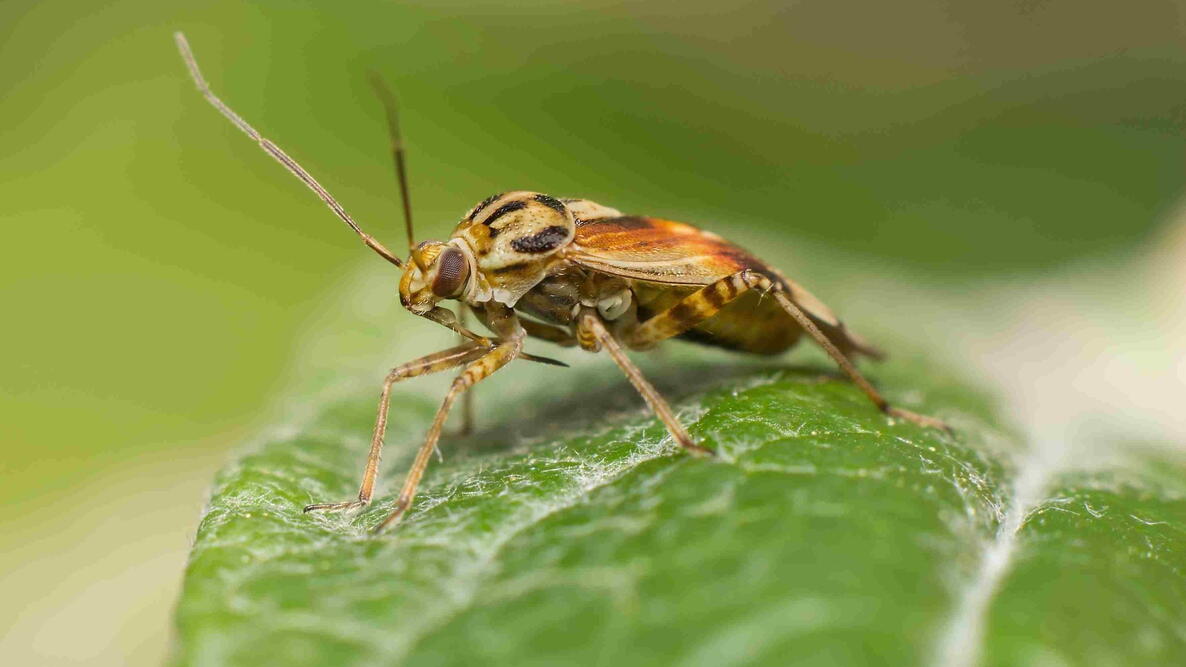
Tarnished plant bug (Lygus lineolaris) on a leaf

Caption

Tarnished plant bugs are common garden pests that damage flowers and fruit.

Photo Credit
Tomas Vacek
Subhead

These tiny bugs can cause big problems in the garden

Written By: Andy Wilcox Master Gardener and Gardening Contributor

You might not notice these little bugs at first, or you may have written them off as just another tiny visitor in the garden. But if you grow strawberries, odds are high you’ve seen their damage. Tarnished plant bugs may sound exotic, but they’re actually quite common across much of North America.

What Are Tarnished Plant Bugs?

Small but wide-ranging garden pests, tarnished plant bugs (Lygus lineolaris) are “true bugs.”

  • Instead of chewing leaves like caterpillars or beetles, true bugs use piercing-sucking mouthparts to puncture plant tissue, inject saliva containing digestive enzymes, and then suck out plant juices.
  • Unlike butterflies and beetles, which have a pupal stage, true bugs hatch from eggs and grow from smaller versions of the adult into a full adult.

This matters for gardeners because their feeding causes distorted growth rather than missing chunks of leaves. Damage often shows up later, on flowers or fruit, and control methods differ from those used for chewing insects.

All true bugs are insects, but not all insects are true bugs. Leafhoppers and aphids are other familiar examples that belong to the insect order Hemiptera.

Tarnished plant bugs are best known for damaging strawberries, though they feed on more than 300 plant species, including vegetables, fruits, and ornamentals. Meadows and weedy, grassy areas—especially where wildflowers are blooming—are their natural habitat and a common source of garden infestations.

Unlike many garden pests, tarnished plant bugs tolerate cold conditions well. They overwinter as adults in leaf litter, tall grasses, dead bark, and other protected areas—even as far north as Canada. In spring, they emerge to feed on tender plant parts and begin laying eggs. The immature bugs pass through five growth stages before becoming adults, a process that takes about a month. This short life cycle allows two or even three generations each year.

Identification

How to Identify Tarnished Plant Bugs

Tarnished plant bugs are small—the adults are about ¼ inch long or less—and mottled in color. Adults range from light to dark brown with white, yellow, and black markings that give them a “tarnished” appearance. Look for a small yellow Y-shape or triangle on their back, just behind the head, with the point facing toward the rear.

Nymphs are bright green—often bright enough to stand out against foliage. Unlike adults, they are wingless, though later instars may develop small black spots on the abdomen. While adults are easy to overlook, the vivid green nymphs often catch a gardener’s eye.

Green tarnished plant bug nymph perched on a flower
Immature tarnished plant bugs are bright green and easy to overlook on flowers. Credit: Bruce MacQueen

Eggs are small, cream-colored, and laid partially inside plant tissue, with only the top visible. They are difficult to spot, especially when laid in buds or leaf stems.

Identifying Tarnished Plant Bug Damage

Because tarnished plant bugs don’t chew entire leaves like caterpillars, their damage can be harder to notice at first. They prefer tender shoots, buds, flowers, and developing fruit. Often, the damage isn’t obvious until later, when fruit develops with an unusual shape and the insect itself is long gone.

Because tarnished plant bugs feed early—on flowers and young fruit—gardeners often don’t notice a problem until strawberries or other crops begin to form. Strawberries are especially vulnerable because even a little feeding early on can change how the fruit develops.

On strawberries and bramble fruits, buttoning—buttoning—called catfacing when it occurs on tree fruits—is a common sign. The berries appear misshapen and and sunken. The bottom of the berry, opposite the stem, may look puckered, as if a cat tasted a lemon.

Green tarnished plant bug nymphs on strawberry leaves
Tarnished plant bug nymphs on strawberry foliage — these pests feed on flowers and young fruit. Credit, thanks to ACES Extension.

Other signs include:

  • Ragged or tattered young leaves emerging from damaged buds
  • Bronzed tissue from feeding damage (common on cauliflower)
  • Stunted growth
  • Incomplete flower development
  • Poorly formed seed heads

Control and Prevention

How to Manage Tarnished Plant Bugs

Tarnished plant bugs can be challenging to manage in the home garden because there’s no single, simple solution. Scouting can be difficult, but yellow sticky cards placed in the spring can help detect adults as they emerge.

Damage is often worse in years with warm springs and in gardens bordered by weedy areas, where populations can build early.

Visually inspect flower clusters and young fruit for nymphs—the small, bright green, wingless stage. If you find one, removing it by hand can help. A few bugs here and there aren’t cause for panic. Sweeping plants with a fine mesh net can also capture them, but take care to release beneficial insects.

  • Good weed control is essential, as tarnished plant bugs feed on many weeds as well as garden plants. Keep tall weeds trimmed back from garden edges and remove them before they form flower buds.
  • Cleaning up dead vegetation near susceptible beds in fall can reduce overwintering habitat, though it may also reduce shelter for beneficial insects.
  • Trap crops can be effective. Tarnished plant bugs are especially attracted to alfalfa and clover. Plant a strip some distance away from strawberries and monitor it. When bugs move in, mow the trap crop.
  • Floating row covers can work for low-growing plants if installed before adults arrive, but they must be removed when plants flower to allow pollination. Secure edges well to prevent bugs from entering.
  • Encouraging predatory beneficial insects such as lacewings and damsel bugs can help keep populations in check when combined with the practices above.

About The Author
Andy Wilcox

Andy Wilcox

Master Gardener and Gardening Contributor

Andy Wilcox is a freelance writer, flower farmer, and master gardener with over 25 years of experience in gardening, horticulture, and forestry. He is the co-owner of Stone’s Throw Flowers, a business...