
Every gardening season brings a fresh wave of new plants, and 2026 is no exception. I find that many of this year’s introductions feel especially well-suited to real gardens—plants that fit comfortably into smaller spaces and handle weather that doesn’t always follow the rules.
From snack-size vegetables to flowers that thrive in heat and support pollinators, this year’s introductions offer more than good looks. They’re practical, resilient, and rewarding—exactly what many gardeners are looking for right now.
New Vegetables and Herbs for 2026
Many of the most useful new plants for 2026 are vegetables and herbs, reflecting the growing interest in small-space and pick-and-eat gardening.
Snack gardens, container growing, and climate-ready plants lead the way this year.
Tomato ‘BadaBing’
Hard to forget that name. Perfect for snack gardens and growing in containers, this large red cherry tomato delivers full-season harvests on an indeterminate plant that stays just 40 inches tall.
Fruits are meaty and flavorful, and you can start picking about 65 days after transplanting. Once the plants start producing, the fruit just keeps coming.
As a tomato with strong disease resistance, it’s no surprise that ‘BadaBing’ earned a 2026 All-America Selections (AAS) Award—a respected trial-based honor for new garden varieties—and a National Garden Bureau People’s Choice Green Thumb Award.

Basil ‘Treviso’
This is the kind of basil you want to grow when summer heat usually ends your pesto plans early. ‘Treviso’ stays compact and bushy, making it easy to grow in containers near the kitchen door. It handles heat well and resists both downy and powdery mildew, two common problems for basil.
The plants keep producing fresh, fragrant leaves, so you can harvest often without stressing them. It earned both an AAS National Edible Award and the National Garden Bureau Professional’s Choice Green Thumb Award.

Pole Bean ‘Majesty’
Looking to grow a colorful pole bean to add interest to your garden? If you enjoy vegetables that are as ornamental as they are productive, ‘Majesty’ is worth a look.
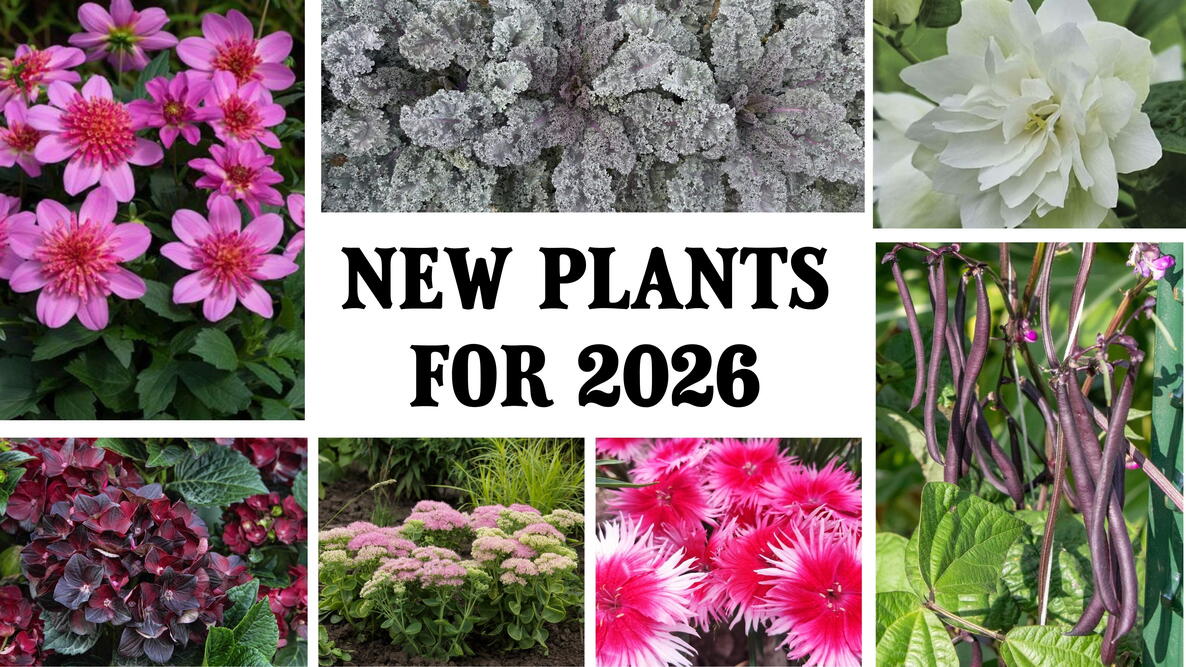
The vines climb to about 5 to 6 feet, making them easy to manage on a trellis or fence. Beans begin forming in under 2 months and keep coming. They’re long, straight, and tender, and the deep purple color makes them easy to spot at harvest time. The plants also stand up well to summer heat and tend to avoid heavy insect pressure.

Kale ‘Rubybor’
Continuing the purple veg theme, discover a better kale, which earns its place in more than one way. ‘Rubybor’ is a compact, frilly purple kale that looks right at home in ornamental beds but delivers tender, harvestable leaves as well. The color holds through summer heat and into fall without turning bitter.
Plants form full, bushy mounds about 36 inches tall and 24 inches wide. It’s the first variety to win AAS Gold Medal Awards in both edible and ornamental categories. Learn how to grow kale.

New Annual Flowers for 2026
Flowers continue to do more than just look pretty. Many of the new varieties are bred to last longer, handle heat, and support pollinators.
Dahlia ‘Venti PinkBurst’
Grow a dahlia that delivers plenty of impact without overwhelming the garden. The bi-color, anemone-type blooms range from about 3½ to 6 inches wide. Plants stay compact, growing to roughly 16 inches tall and wide, making them easy to tuck into containers or small garden beds.
They bloom steadily through the season and show good resistance to powdery mildew. Bees and butterflies seem to find them quickly.

Pentas ‘Beehive’
True to its name, this plant grows into a neat, rounded mound. Reaching about 12 inches tall, ‘Beehive’ quickly fills hanging baskets and front-of-the-border spaces with clusters of star-shaped flowers. It’s a plant that thrives in summer heat and is available in red, pink, and white. Gardeners can grow it from pelleted seed or started plants, depending on their preference.

New Perennial Flowers to Grow from Seed
These three AAS award-winning perennials prove that patience is often rewarded—but not too slowly.
Coreopsis ‘SunGlobe’
In its first year, ‘SunGlobe’ will begin blooming in about 90 days from seed. The bright yellow, double flowers sit on sturdy stems that hold up well in the garden. Plants stay compact at about 12 inches tall and wide and perform reliably in Zones 4–9. Learn more about growing coreopsis.

Sedum ‘Spectacular’
A quiet favorite with pollinators, this sedum comes into bloom in late summer. Soft pink flowers, about 3 inches wide, appear just in time for migrating butterflies. Plants are sturdy and vigorous, growing about 14 inches tall and wide. Hardy in Zones 3–9, it’s an easy addition to many gardens.

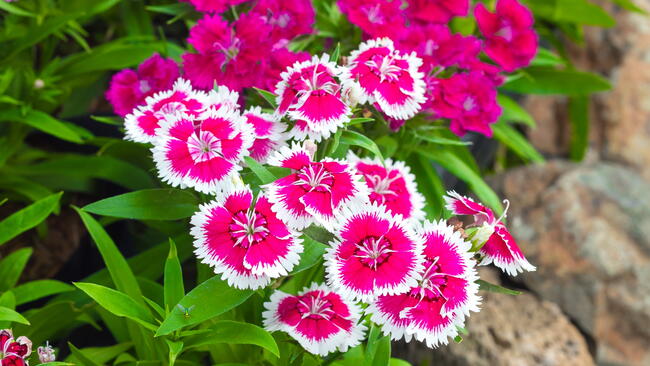
Dianthus ‘Supra Cherry Picotee’
This dianthus takes a little longer to bloom, but it’s worth the wait. Expect flowers about 105 days from seed, so giving plants a head start is helpful. Once established, they bloom from late spring through frost without the need for staking or deadheading.
The fringed flowers feature cherry red centers and pale pink edges. Mature plants form tidy clumps about a foot tall and wide and are hardy in Zones 5–10.

New Shrubs to Watch for in 2026
Shrubs continue to anchor gardens with structure, beauty, and multi-season interest.
Centennial Ruby hydrangea (Hydrangea macrophylla) ‘Hokocentennial’
Released to celebrate Monrovia Nurseries’ 100th anniversary, this gorgeous hydrangea features deep red mophead flowers held on strong stems. Plants grow 3–4 feet tall and wide and perform well in Zones 4–9. The Centennial Ruby earned the 2026 National Garden Bureau Professional’s Choice Green Thumb Award for Shrubs.
.jpeg)
Bush Cherry ‘Easy as Pie’
This compact fruiting shrub fits neatly into smaller landscapes. Growing just 3 to 4 feet tall, it produces tart cherries ideal for pies, tarts, and juice—without the maintenance of a full-size cherry tree. It needs no pruning or spraying and shows good disease resistance. Creamy white flowers appear in spring, followed by vivid yellow and orange foliage in fall. Hardy in Zones 3–8.


Mock Orange ‘Pearls of Perfume’
For gardeners who value fragrant plants, this mock orange is a standout. The 3-inch-wide, double white flowers fill the air with a sweet citrus scent. Unlike many mock oranges, ‘Pearls of Perfume’ blooms on both new and old wood, extending the flowering season. Plants reach about 5–6 feet tall and are hardy in Zones 5–8.

Garden Trends Shaping 2026
There are so many trends in store for 2026. Keep a lookout when you visit plant nurseries and page through your seed catalogs.
- Plant breeders continue to focus on varieties that tolerate heat, drought, and other climate stresses, without sacrificing flavor or beauty. The Purple ‘Majesty’ pole bean and ‘Treviso’ basil plants are great examples.
- Snack gardens remain popular, especially for gardeners growing in containers or small spaces. Cherry tomatoes, mini cucumbers, sugar snap peas, and strawberries are top choices that can also be grown in pots.
- More and more gardeners are looking to have a positive impact. For example, we’re choosing plants that support pollinator gardens and improve food security. Ridding our outdoor spaces of invasive species and replacing them with natives is also valuable and rewarding.
- Less lawn, more plants! 63% of the gardeners taking part in the Axiom Gardening Outlook Survey said they plan to expand their gardens this year or use lawn alternatives.
- Record numbers of homeowners are growing wildflower meadows and also registering their landscapes as Certified Wildlife Habitats with the National Wildlife Federation.
- The Garden Media Group describes 2026 as the year of “lemonading.” Never heard of it? It’s the idea of finding opportunity in challenges and learning to take garden setbacks in stride, discovering sweetness in unexpected places.

Whether you’re trying a brand-new variety or making room for one more plant you don’t really have space for, 2026 offers plenty to look forward to. And if the season throws you a few lemons along the way, well—there’s always lemonade.
More Like This

Comments