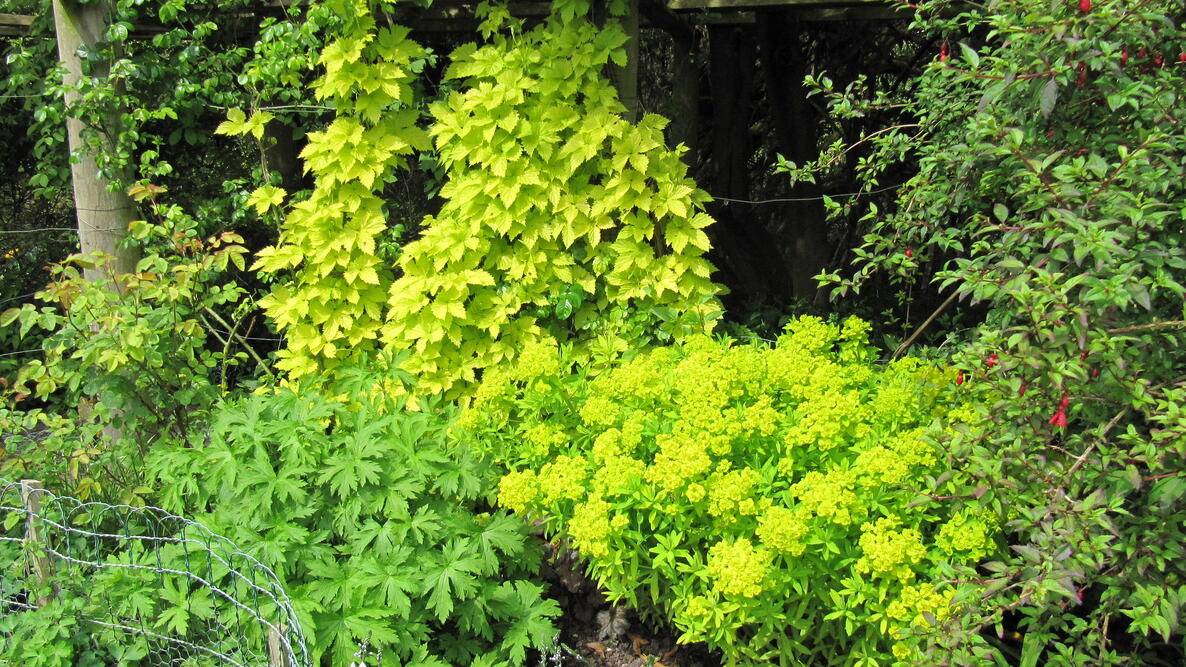

Home brewing has deep roots in history, but many people don’t realize you can grow brewing ingredients right in your own garden. From hops for beer to apples for cider and herbs for traditional ales, your backyard can become the starting point for homemade beverages.
The History of Home Brewing
Home brewing has a long history; some anthropologists believe that beer is as old as civilization itself. They think that the change from a hunter-gatherer society to an agricultural one was due to the growing of grain used for brewing and not for the making of bread. Brewing was often a sacred ceremony, and every culture has stories concerning the divine gift of fermentation and its ability to heal and nourish as well as to inebriate.
For those who also enjoy gardening, it is fun to experiment with growing crops for brewing at home. And if you’re a home brewer but not a gardener, growing your own ingredients is a flavorful step-up. While hops (Humulus lupulus) are a very popular ingredient for the home brewer, many other brewing crops can be grown at home, including grains, fruit, and flavorful herbs.
You don’t need a garden to succeed as a home brewer, but growing your own ingredients is a flavorful step up.
Apples for Hard Cider
Our colonial ancestors turned most of the apples they grew into cider, which was fermented by the barrelful to preserve it. Hard cider was the beverage of choice for men, women, and children, with most households consuming an average of 35 gallons per person per year.

If you have a source of unpasteurized cider, you can make your own hard cider. With an alcohol content of 5 to 7%, properly fermented cider will keep for 2 to 3 years.
Read more about starting an apple cider orchard.
Growing Hops for Beer
A brew made with hops is technically a beer and not an ale.
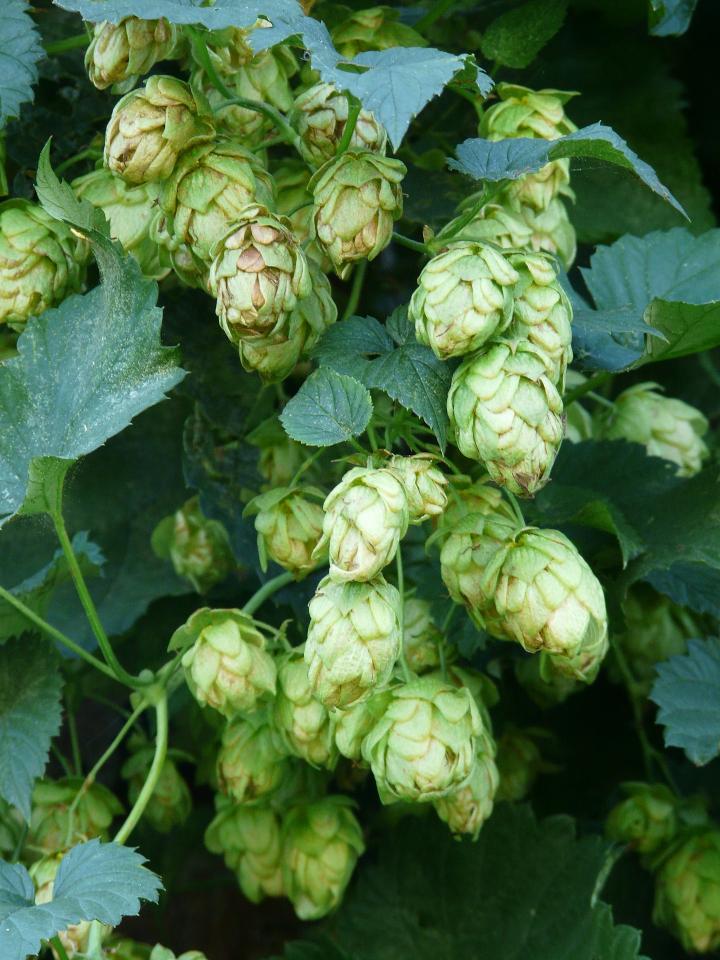
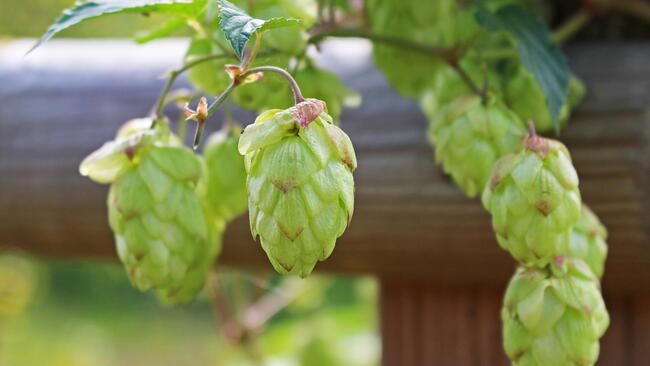
Hops (Humulus lupulus) is a perennial climbing vine with fragrant, cone-like flowers called strobiles. In the same family as marijuana, hops have a soporific effect, and, in addition to their use in beer-making, the flowers have long been used in dream pillows to induce sleep.
Whether you wish to make beer or use hops’ medicinal benefits, you can grow them in a home garden! When growing hops, start small.
There are many varieties of hops. ‘Cascade’ and ‘Centennial’ are the two most popular.
As with most crops, select a site with 6 to 8 hours of direct sun. Soil needs to be loose (well-aerated by turning over several times) and nutrient-rich (with compost or fertilizer). Hop vines can grow to over 25 feet and weigh over 20 pounds, so trellising is important, even if it’s wrapping the vines on heavy rope between long poles. Plant in the spring, well after frost.
Hops, grow from rhizomes, which are planted in a foot-high mound. Place the root side of the rhizome down. Cover the mound with some straw or light mulch to inhibit the weeds.
Learn how to grow hops in your garden.
Herbs for Herbal Ale
For something unique, try brewing an herbal ale. Basil, caraway, borage, hyssop, coriander, winter savory, and yarrow are traditional home brewing herbs used long before hops became popular. Fermented with sugar, yeast, and water, they made popular tonics and aids to digestion in olden days. They only need to age 10 days to 2 weeks before drinking.
Winemaking
Once you get the hang of home brewing, you may want to try your hand at winemaking.
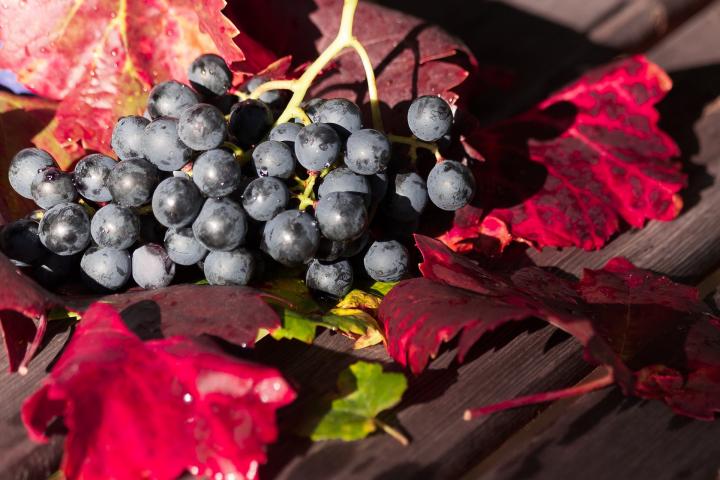
Winemaking With Garden Ingredients
Grape wines are relatively easy to make, but you can make wine from just about any fruit, vegetable, flower, or herb. Root vegetables, including beets, parsnips, carrots, and potatoes, make excellent wine.
We are all familiar with dandelion wine, but other flowers such as pansies, goldenrod, calendula, bee balm, and rose petals can be used to flavor homemade wine. There are 4 basic stages in winemaking: primary fermentation, secondary fermentation. clearing, and aging. The neophyte vintner should read up on the process and, if possible, make a batch or two with an experienced winemaker before striking out on their own.
How to Make Mead at Home
A brew made with honey instead of sugar is called a mead. Honey slows fermentation, so meads take longer to age, but the rest of the process is similar to winemaking.
Shrubs mix fruit or vegetables with vinegar and sugar. Popular in the 18th and 19th centuries, when water was often unsafe to drink, the vinegar acted as a preservative. They can be made from anything from rhubarb to pumpkin and need to be aged for only 1 month before imbibing.
Fruit Liqueurs and Cordials
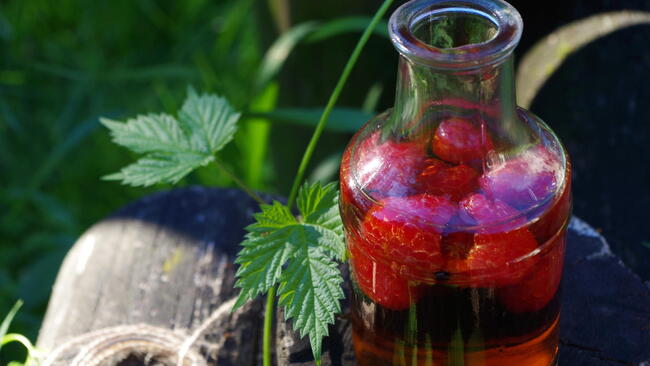
Flavored brandies and cordials are easy to whip up. Start with an alcohol base, such as an unflavored brandy or vodka. Any fruit, herb, spice, edible flower, or root can be used for flavor. Crush or chop the fruit or other flavoring and soak it in the alcohol for up to 3 months. Strain out the solids. Make a sugar syrup from 2 parts sugar and 1 part hot water, boiled together until the sugar dissolves. Cool and add to the flavored alcohol. The liqueur can be aged longer for the flavors to meld.
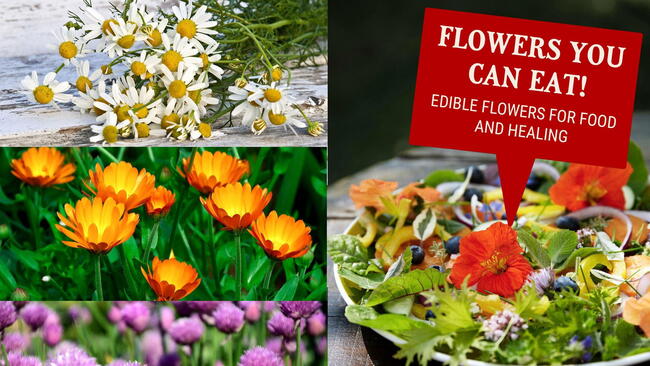
See our favorite edible flowers to grow.
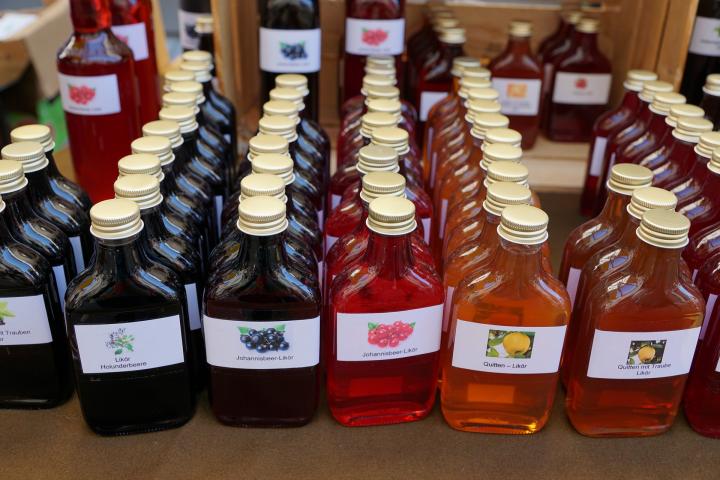
Fruit-flavored liqueurs and brandies are very popular in Nordic countries with long, cold winters.
Top Plants to Grow for Home Brewing
If you enjoy brewing beer, cider, wine, or herbal drinks at home, growing your own ingredients can add fresh flavor and a personal touch to every batch. Many common brewing plants are surprisingly easy to grow in a backyard garden or even containers.
| Plant | Best Use in Brewing | Growing Difficulty | Notes |
|---|---|---|---|
| Hops | Beer brewing | Moderate | Perennial vine that needs full sun and strong trellising. |
| Apples | Hard cider | Moderate | Choose cider apple varieties for richer flavor. |
| Grapes | Wine | Moderate | Requires trellis support and warm, sunny conditions. |
| Berries (Strawberries, Blueberries, Raspberries) | Fruit wines and flavored meads | Easy | Adds sweetness and vibrant color to brews. |
| Dandelions | Dandelion wine | Easy | Wildflower commonly used in traditional country wines. |
| Bee Balm | Herbal ale and flavored mead | Easy | Adds floral and minty notes to drinks. |
| Yarrow | Herbal ales | Easy | One of the classic herbs used before hops. |
| Coriander | Beer flavoring | Easy | Seeds are commonly used in Belgian-style beers. |
| Basil | Herbal ales and flavored drinks | Easy | Adds a fresh, aromatic flavor. |
| Calendula | Flower wines and meads | Easy | Bright petals add color and subtle flavor. |
Growing even a few of these plants can turn your garden into a mini brewing ingredient garden, allowing you to experiment with unique flavors in homemade beer, cider, wine, and mead.
Frequently Asked Questions
What ingredients can you grow for home brewing?
Many brewing ingredients can be grown at home, including hops, apples, grapes, herbs, and edible flowers. Gardeners often grow hops for beer, apples for cider, grapes for wine, and herbs such as basil, coriander, and yarrow for traditional herbal ales. Even flowers like dandelions and roses can be used in homemade wines and liqueurs.
Is it difficult to grow hops at home?
Hops are relatively easy to grow if they have full sun, fertile soil, and strong support for climbing. Hop vines can grow more than 20 feet tall, so they need trellises, poles, or strong ropes. Once established, hops are perennial plants and will return year after year.
What fruits are best for home brewing?
Common fruits used in home brewing include apples, grapes, berries, cherries, peaches, and plums. Apples are ideal for cider, grapes for wine, and berries or stone fruits for flavored wines, meads, or liqueurs.
Can beginners make their own beer or cider at home?
Yes. Many beginners start with hard cider or simple fruit wines because they require fewer ingredients and less equipment than beer. With a few basic tools and fermentation knowledge, home brewing can be a fun and rewarding hobby.
What herbs are used in traditional brewing?
Before hops became widely used, brewers flavored ales with herbs such as yarrow, coriander, caraway, basil, hyssop, and winter savory. These herbs added flavor and were believed to have digestive and medicinal benefits.
Do you need a garden to brew your own beverages?
No garden is required for home brewing, but growing your own ingredients can improve flavor and freshness. Even a small backyard garden or container setup can produce hops, herbs, or fruits that can be used in homemade brews.
Get into the spirit and turn your kitchen into a microbrewery. We hope this whets your interest!
More Like This


Thank you Glenn & Mark. It is good to hear from the experts on this subject! Anyone trying home brewing for the first time is well advised to get a good book on the subject and to meet up with an experienced brewer or two who can act as mentors.
It can be as easy as letting the cider sit for a few weeks and waiting for natural fermentation to take place. This can result in an awesome drink or an awful one. To increase your chances of success, I would refer you to a good book on the subject such as Cider Hard and Sweet by Ben Watson or The Everything Hard Cider Book by Drew Beecham. The processes in these books are more involved than I can give in a blog post.

Comments