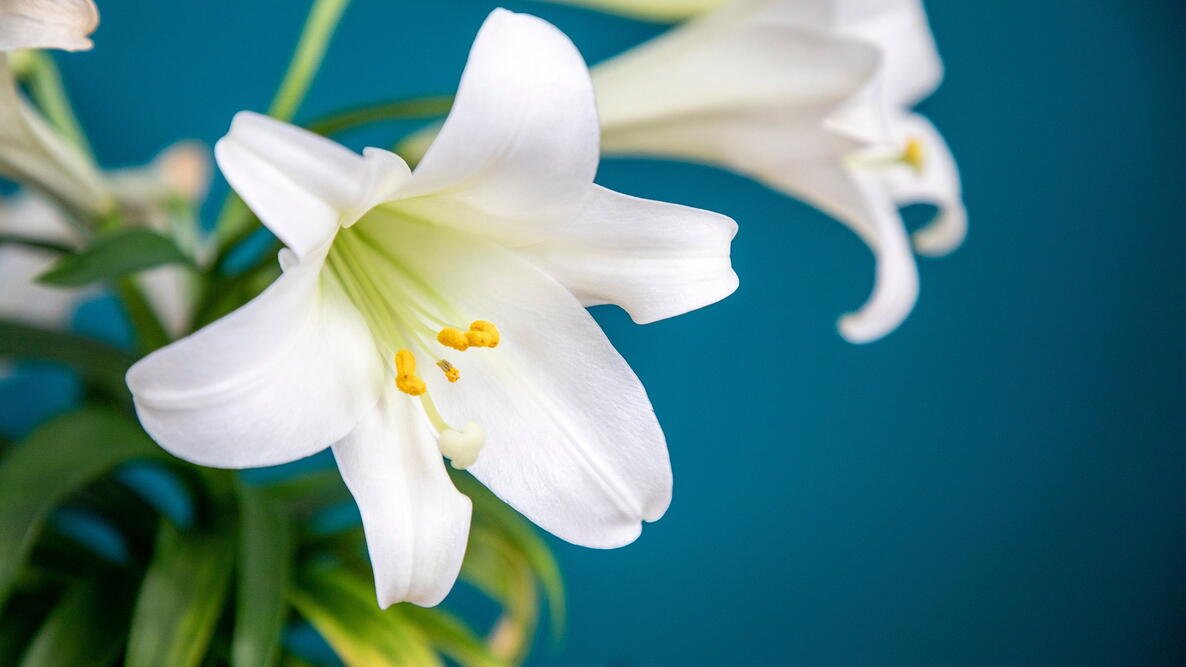

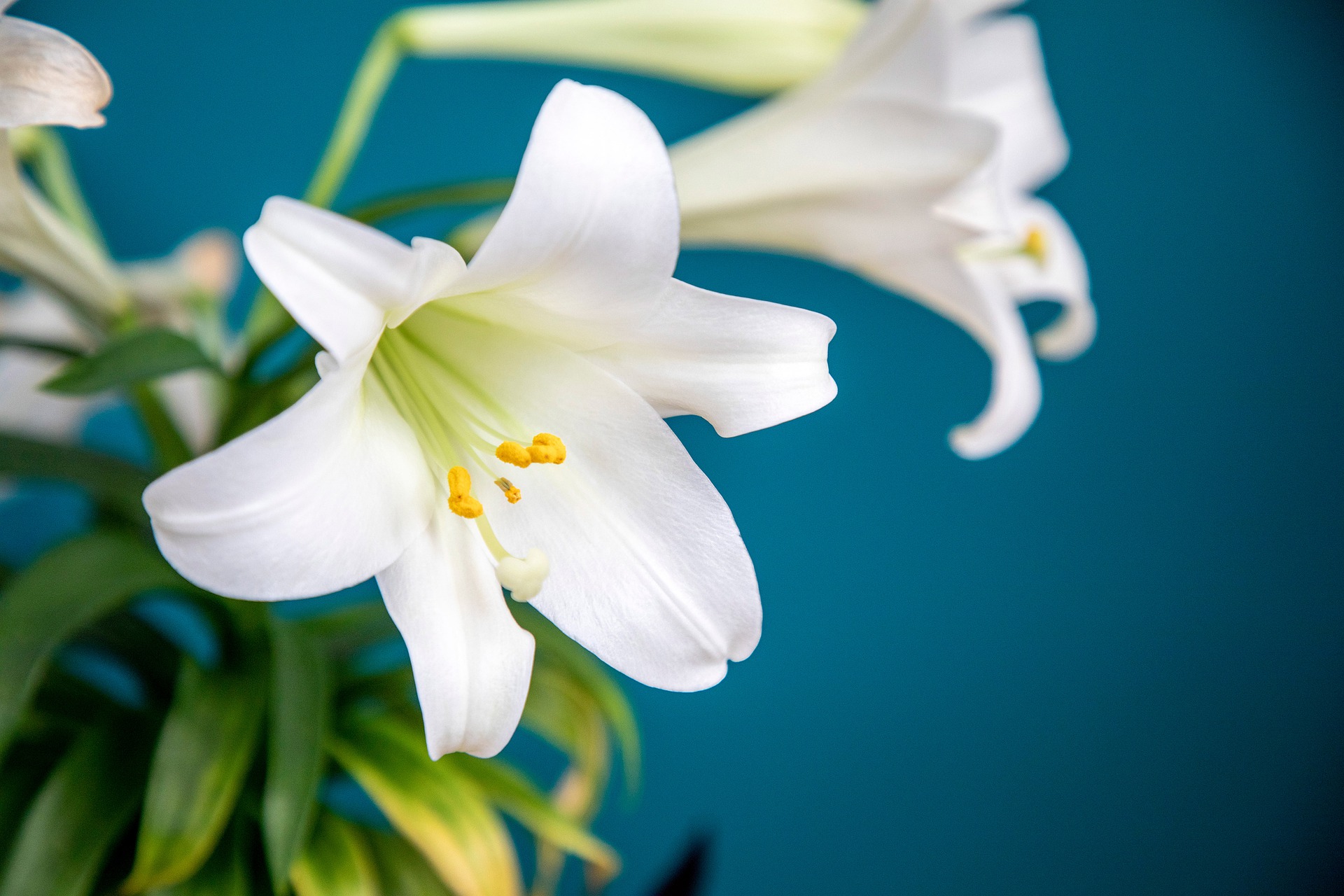
The Easter lily (Lilium longiflorum) is one of the most recognizable symbols of spring and the Easter holiday. With its elegant white trumpet-shaped flowers and sweet fragrance, it’s a popular seasonal gift. But many people wonder what to do with the plant once the blooms fade. Can Easter lilies be planted outside? Will they bloom again? And are they safe around pets? Here’s everything you need to know about caring for Easter lilies so they can thrive long after Easter.
Easter Lily Quick Facts
| Feature | Details |
|---|---|
| Botanical Name | Lilium longiflorum |
| Common Name | Easter lily |
| Plant Type | Perennial flowering bulb |
| USDA Hardiness Zones | 5–8 |
| Mature Height | 2–3 feet tall |
| Mature Spread | 12–18 inches |
| Flower Color | Pure white |
| Bloom Time | Naturally mid- to late summer (forced to bloom at Easter) |
| Sun Requirements | Full sun to partial shade |
| Soil Needs | Well-drained, rich soil |
| Fragrance | Strong, sweet fragrance |
| Toxicity | Highly toxic to cats |
| Native Region | Ryukyu Islands of Japan |
Why Easter Lilies Bloom at Easter
The fragrance of an Easter lily is a sign that spring is here! But like most true lilies, if left to nature, they wouldn’t blossom until late summer. The potted plants for sale around the Easter holiday have been tricked into blooming for us at Easter by greenhouses that pot up the bulbs in the fall and treat them to a long cooling period—about 1,000 hours in cold-but-not-freezing temperatures.
After the lilies start to sprout, they are given enough warmth and light to get them growing and budding in time for holiday sales. This can be tricky for growers to time just right since the date for Easter can vary from late March to late April.

How to Keep Your Easter Lily Growing After Easter
If you have a fragrant Easter lily for the holiday and want to enjoy it for years to come, you will need to plant it outside. The bulbs are winter-hardy in Zones 5 to 8, but the plants do not do well in hot, humid climates.
Planting Easter Lilies Outdoors
- To prepare the bulb for planting outdoors, let the flowers fade and keep watering until the leaves die back to the stem.
- Harden off the bulb by placing the plant outside each day for longer periods of time until it acclimates to being outdoors.
- After the last frost, plant it 4 to 6 inches deep in rich, well-draining soil where it will get full morning sun and some afternoon shade.
- Like clematis, these lilies like their heads in the sun but their feet in the shade. If you can’t shade the base of the plant, use mulch to keep the roots cool. Cut the stem off at the soil line and mark where you have planted.
- Fertilize it twice over the summer, and if you haven’t already mulched it, apply some mulch in the fall for winter protection. If all goes well, your bulb should bloom again the next summer.
Do Easter Lilies Multiply?
To make more lilies, dig up your bulbs and separate the small bulblets in the fall. Replant them 4 to 6 inches deep and 6 to 12 inches apart. It will take 2 to 3 years for them to reach a blossoming size, but it will be worth the wait when you have a whole row of them in bloom!
Common Problems (Deer and Lily Leaf Beetles)
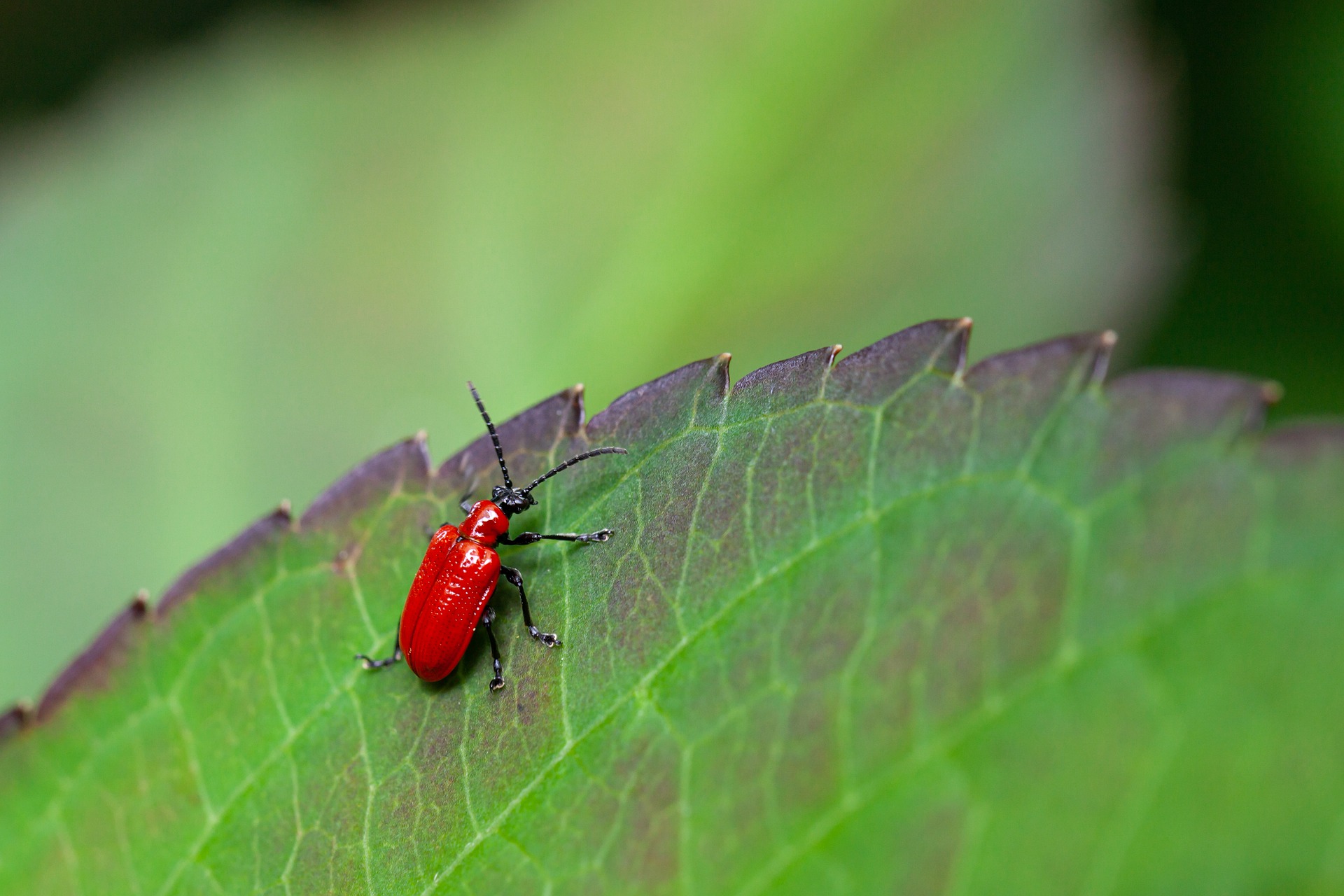
Easter lilies are easy to care for, but they are not trouble-free. Deer love to eat the plants, especially the buds, and the lily leaf beetle can decimate an entire planting if not kept in check by vigilant hand-picking or spraying with neem oil or spinosad.
Are Easter Lilies Poisonous to Pets?
Finally, if you received an Easter lily as a gift, be aware that all parts of this plant are poisonous and especially toxic to cats. If they eat even a small amount, it could cause kidney failure and kill them, so if you suspect Fluffy has been chewing the leaves or licking the pollen, get her to the vet right away! Even though the plants are toxic, dogs and humans are not severely affected and would have to eat a large quantity of the plant to become sick.
Frequently Asked Questions
How long do Easter lilies last indoors?
Easter lilies typically bloom indoors for 1 to 2 weeks, depending on temperature and light conditions. Keeping the plant in a cool, bright location and watering when the soil feels dry can help extend the bloom time.
Can Easter lilies be planted outside?
Yes. After the flowers fade and the danger of frost has passed, you can plant Easter lily bulbs outdoors in well-drained soil. With proper care, they often bloom again the following summer.
Do Easter lilies come back every year?
Easter lilies are perennial bulbs in USDA Zones 5–8. When planted outside in the right conditions, they can return and bloom again each year.
Do Easter lilies multiply?
Yes. Easter lily bulbs produce small bulblets underground that can be divided and replanted in the fall. These new bulbs typically take two to three years to grow large enough to bloom.
Are Easter lilies poisonous to cats?
Yes. All parts of Easter lilies are extremely toxic to cats. Even small amounts of pollen or leaves can cause severe kidney failure. Cats that may have ingested lilies should receive immediate veterinary care.
Are Easter lilies poisonous to dogs?
Easter lilies are far less toxic to dogs than to cats, but eating large quantities may still cause stomach upset. It’s best to keep pets from chewing the plant.
See the Almanac Lily Guide for more information about how to plant and grow lily flowers in the garden.
See the Everything Easter page to read more about Easter dates, customs, recipes, and more!

More Like This







Comments