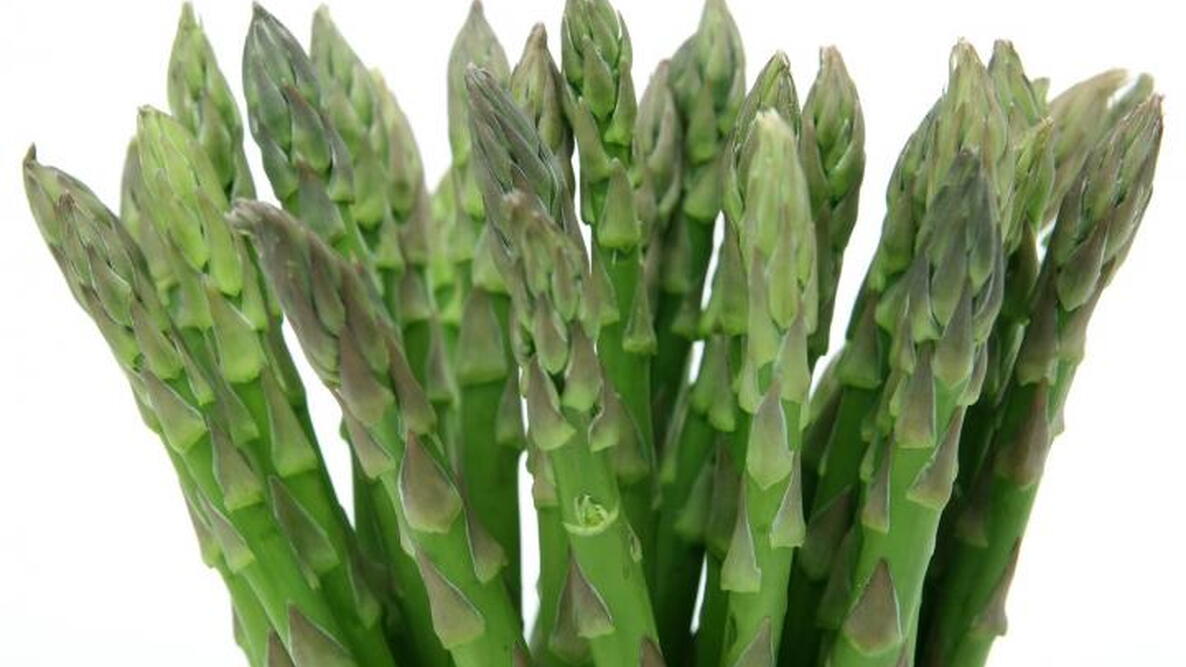

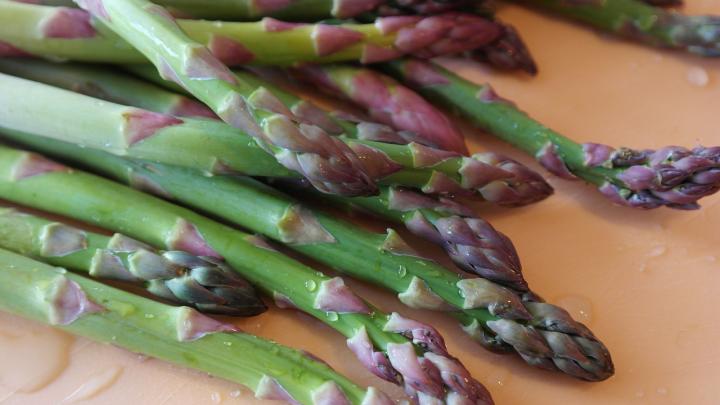
Asparagus has to be my favorite early spring vegetable. Though it is wonderful cooked. I think it is best eaten raw while working in the garden. Asparagus is often started from one-year crowns, however you can plant asparagus from seed, too!
It’s not hard to grow asparagus from seed; it just adds an extra year onto the wait period until you can begin to harvest. We planted ‘Argenteuil’ a French heirloom variety.
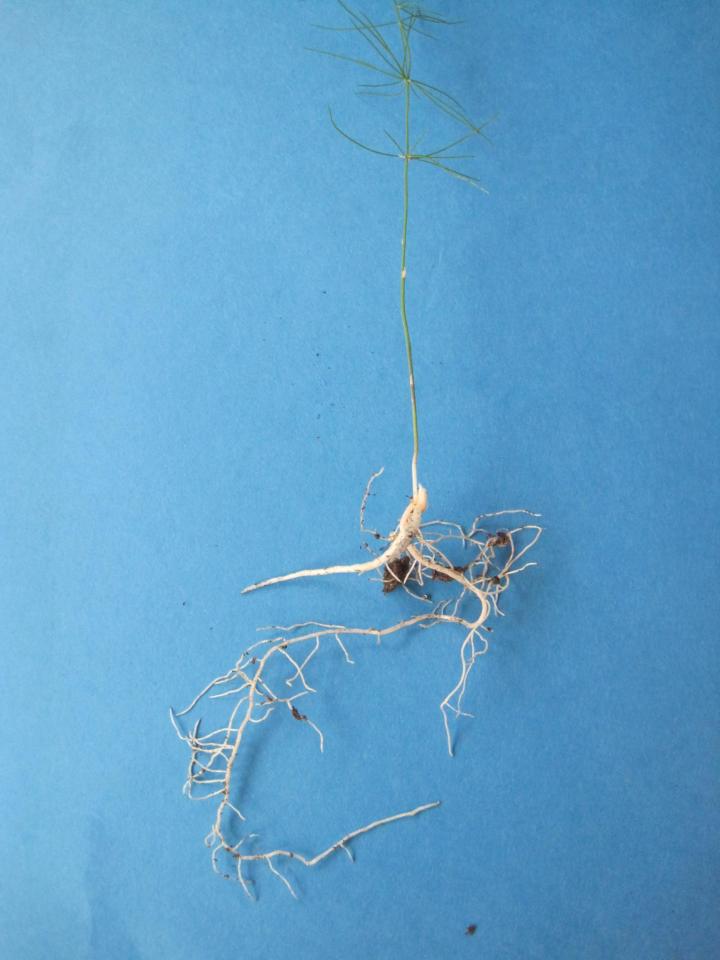
The plants are only about 6 weeks old and they already have impressive root systems.
Plus, asparagus is a perennial vegetable—plant it once and enjoy it for many years. Crunchy, succulent and flavorful, asparagus is good for you as well.
Anything this tasty and reliable does not come easily though. It takes up a lot of space, there is a lot of prep work to get the bed ready, and it requires about three years from seed to harvest before we get to taste a single spear.
The good news is that, once started, asparagus can last a generation, so there are big rewards!
Planting Asparagus From Seed
Two years ago, I started some asparagus from seed and transplanted them to a nursery bed in the garden. They were immediately eaten by cutworms! It was late summer and I did not think they were still active. Wrong!
Imagine my relief when a few weeks later they sent up new fronds and continued to grow until freezing weather set in. Last spring they popped right up—cute little miniature spears of asparagus that turned into lush green fronds.
Since male plants are more productive we were able to figure out which ones were female when they blossomed and formed seed pods. These plants were pulled out, leaving only male plants. This spring, before any growth emerged, it was time for us to move the plants to their permanent location.
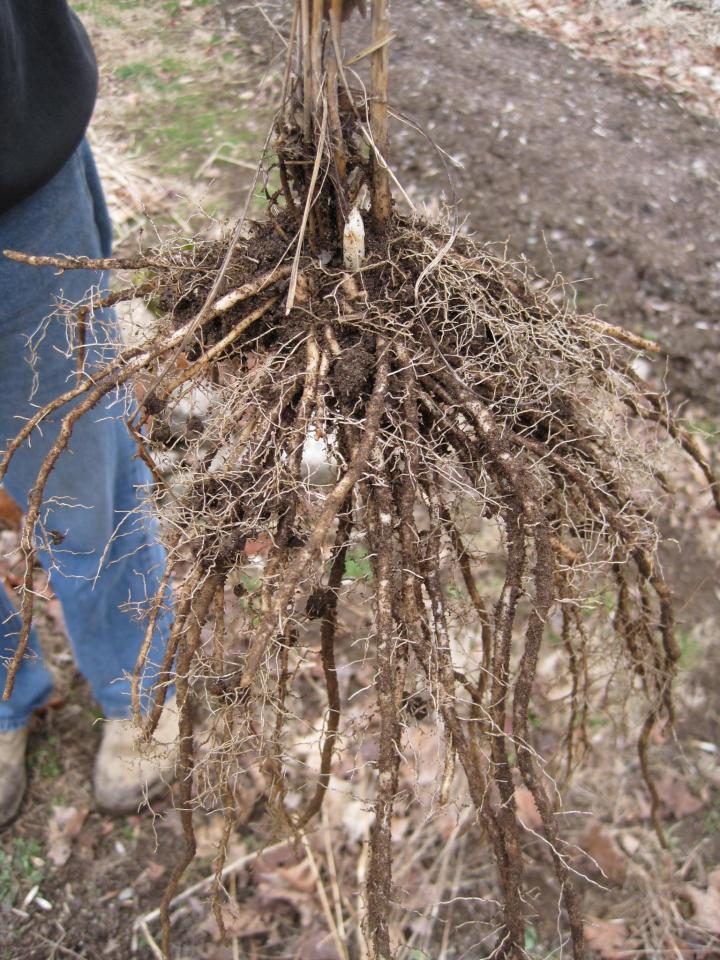
I couldn’t believe how huge the root systems had gotten!
We dug a trench about 12 inches wide and 8 inches deep. We added compost to the bottom of the trench and used it to make 4 inch high mounds about 18 inches apart in the trench.
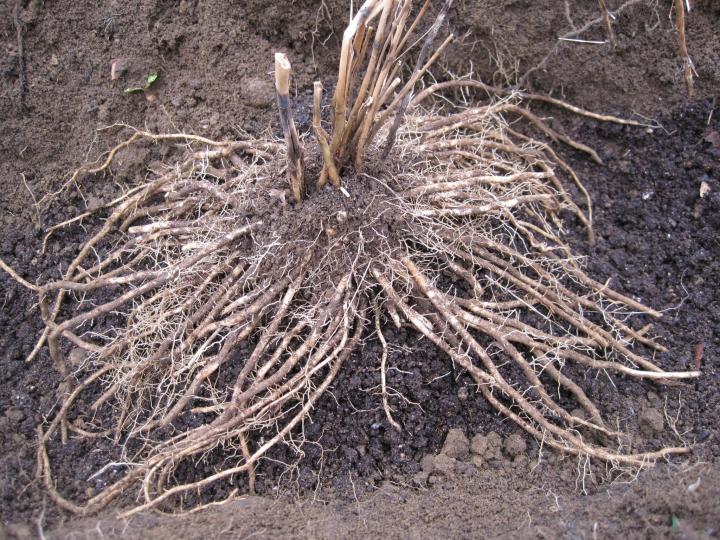
We placed the crowns of the plants on the mounds and let the roots drape down over the sides, then covered them with a few inches of soil. As the spears grow we can continue to fill in the trench until it is level or even slightly higher than the surrounding soil. The crowns should end up at least 4 inches below the surface.
Now comes the really hard part. We can’t pick any spears this year and maybe only a few next year. The third year we can pick only spears that are finger-sized but have to stop when they get to be less than 1/2 inch in diameter.
Patience is something that doesn’t grow in my garden! I have to work at it.
Read how to plant asparagus by crowns on the Almanac’s Aspargus Growing Guide.




Comments

I was just as surprised as you were at the size of those roots! They are indeed only 2 years old, maybe a little less since I started the seeds late. I was shocked at the size of the root balls when we started digging them up. I don't know where you live but here in my zone 5 location the asparagus doesn't show until later in May. To keep your plants growing strong, fertilize them spring and fall.
Check out your local garden supply store or nursery. If they don't have crowns for sale, there are many mail order sources. Asparagus should grow great in a zone 6 location. Do your homework before you plant. They will grow and produce for a long time if your give them the right start. Read the asparagus articles on this website or look for your local agricultural extension service website.
Since male plants don't waste any energy on producing fruit (those little red berries) and seeds, they have stronger root systems. Male plants start to bear earlier in the spring and can produce as much as 3 times the number of spears as a female plant. They also are longer lived.
- « Previous
- 1
- 2
- …
- 10
- Next »

Male plants are more prolific since they don't waste any of their energy producing seeds. The berries you see contain seeds so you know those plants are females. If you want to pull them out and replace them with male plants go ahead, but I would never do that. After waiting this long for asparagus, it would set you back a few more years. While female plants may not be as productive you will still get plenty of tasty asparagus from them. In the future, if you are adding more plants to your asparagus beds, look for male plants. Those berries you see will drop and you may find lots of seedlings coming up next spring.