




For daily wit & wisdom, sign up for the Almanac newsletter.
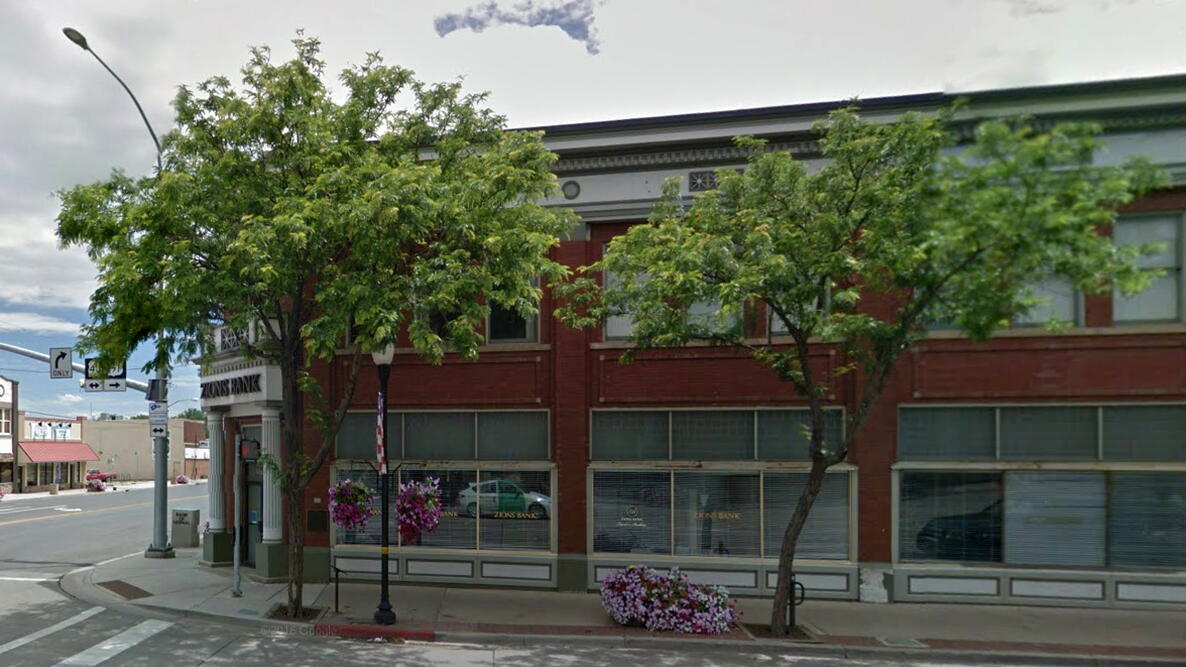
In 1916, directors of the Bank of Vernal, Utah, decided the community needed a modern, fireproof bank building. What followed became one of the most unusual stories in U.S. postal history: the bank was built using bricks sent through the mail.
The Problem: Transporting Bricks Across Dangerous Roads
The directors of the Bank of Vernal, Utah, had a plan: a two-story building would be erected on West Main Street; it would measure 70 feet by 97 feet; and it would be made of pressed brick. The nearest source of such bricks was at Salt Lake City, about 125 miles away. This was not a great distance, but it was a difficult journey, especially for transporting goods, because the roads were treacherous.
The Postal Loophole That Changed Everything
The bankers calculated that the cost of hauling 15,000 bricks by truck would be $2,250. This dimmed hopes for the new structure until a bank director, William Horace Coltharp (who later became president of the institution), started thumbing through postal regulations. He discovered that the bricks could be sent through the mail for less than half the quoted truck price.
The postal regulations had to be strictly followed. A single package could weigh no more than 50 pounds. Bank officials figured about 10 bricks to a parcel and hastily ordered 1,500 parcels.
How 15,000 Bricks Traveled 390 Miles by Mail
The bricks, each wrapped carefully in paper and packed in 50-pound crates, were transported from Salt Lake City by parcel post a total distance of about 390 miles, although Vernal itself was only less than a third of that distance away—an important consideration, as rates were based on 150-mile zones. The bricks’ circuitous journey took them from Salt Lake City to Mack, Colorado, via the rails. Thence to Watson, Colorado, where their crates were transferred to narrow-gauge rail. Then the bricks were transferred again—this time to a freight wagon—for the last 65 miles to Vernal.
When the Post Office Tried to Shut It Down
As the bricks piled up, postal authorities decided that it wasn’t the province of the Post Office Department to deliver bricks by mail. They ruled that a vendor could send no more than 200 pounds a day of anything to any one consignee.
Not to be thwarted, bank officials countered by getting local farmers, ranchers, and townspeople to become consignees for the bricks. Upon receipt, these volunteers carted their crates from the post office to the bank site.
The result? Vernal’s first brick building—still standing, still banking, and still proving that sometimes the mail really can deliver.
Comments